MALAYSIA is intensifying efforts to build a domestically driven electric vehicle industry as the government prepares to end four years of tax exemptions for fully imported EVs, a move expected to raise prices mainly for premium foreign models while accelerating local assembly investments.
Deputy Investment, Trade and Industry (MITI) Minister Sim Tze Tzin said fears that all electric vehicles would become unaffordable after the reintroduction of import duties in July were misplaced, stressing that the government’s long-term strategy centred on expanding locally assembled EV production.
He said consumers would continue to have access to affordable electric vehicles through completely knocked down (CKD) assembly programmes, particularly in the mass-market segment priced between RM100,000 and RM200,000.
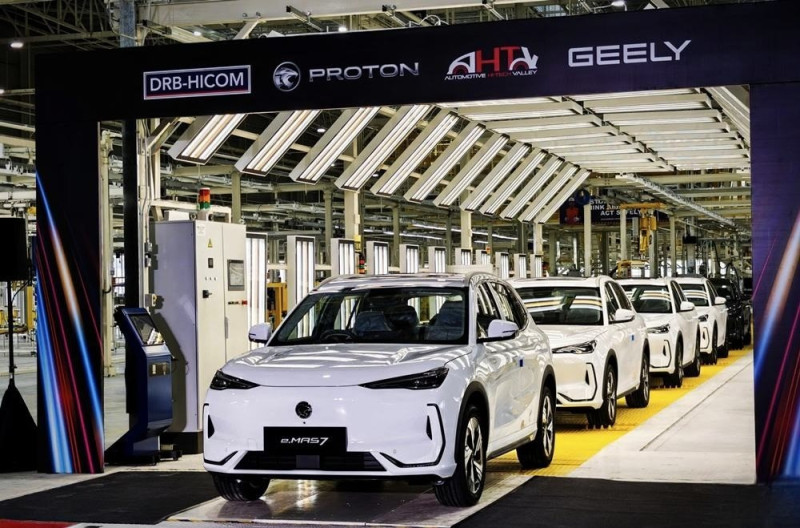
“The price increase only involves luxury EV models that are fully imported, such as certain premium brands that do not have sufficient sales volume for assembly in Malaysia, while the CKD EV segment will continue offering more affordable choices such as Proton e.MAS, Perodua’s QEV project and Chery.
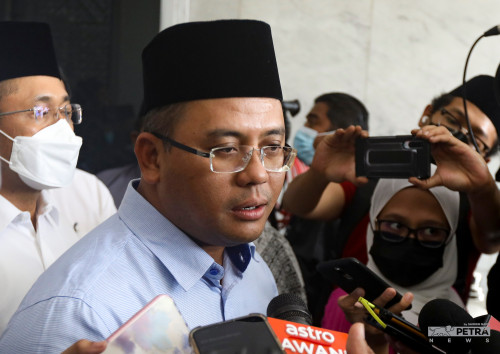
“Chinese brands such as Zeekr and several others will also carry out local assembly in Malaysia, so claims that all EVs will become expensive are inaccurate because consumers will still have many reasonably priced options,” he told reporters following visits to three factories in Batu Kawan.
The government’s revised approach signals a broader shift in Malaysia’s automotive policy away from dependence on imported vehicles and towards strengthening domestic industrial capabilities, supply chains and employment opportunities linked to the EV transition.
Sim said the Ministry of Investment, Trade and Industry was actively encouraging foreign and regional manufacturers to establish assembly operations and partnerships with Malaysian vendors in order to create greater economic spillover benefits.
“The reimplementation of import duties, sales tax and excise duties on fully imported EVs is not a new tax, but rather a return to the original tax structure after the expiry of the four-year incentive period.
“That is why our policy encourages local assembly or CKD so that companies open factories in Malaysia. We want them to localise operations, establish plants here and collaborate with local vendors so that employment opportunities can be created,” he said.
Malaysia introduced tax exemptions for fully imported electric vehicles as part of efforts to accelerate EV adoption and attract international brands into the local market during the industry’s early development phase.
With the incentive period ending in July, Putrajaya is now seeking to transition the sector towards local production and value creation, positioning Malaysia as a regional EV manufacturing and assembly hub.
Under revised rules announced by MITI all fully imported EVs entering Malaysia from July 1 will be subject to reinstated import duties and taxes, alongside updated eligibility requirements including a minimum motor output threshold of 180kW and a minimum cost, insurance and freight value of RM200,000. - May 9, 2026

.JPG)