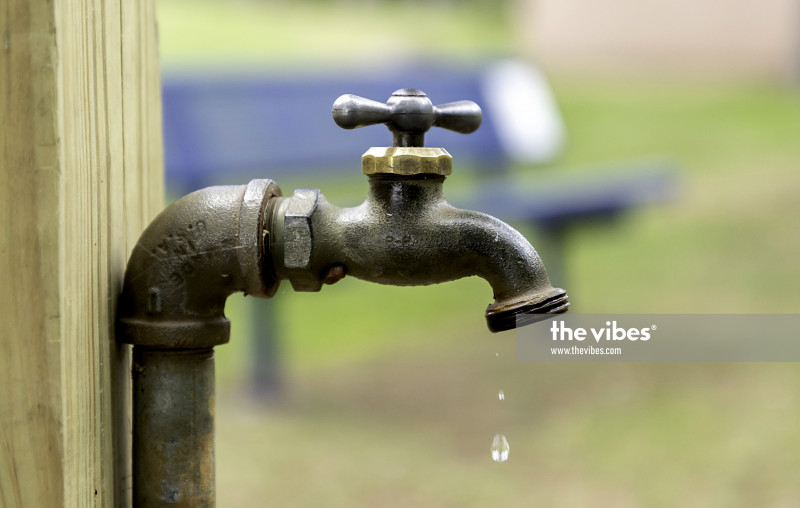
PERSISTENT water supply problems, including Kedah’s zero per cent water reserve margin, threaten the ability of four states under the SG4 initiative to achieve their economic ambitions, Economy Minister Akmal Nasrullah Mohd Nasir said.
He said the target of raising the combined gross domestic product of Kedah, Kelantan, Terengganu and Perlis to RM723.75 billion by 2050 would mean little without reliable basic infrastructure, effective project delivery and improvements in productivity.
“How can we develop the local economy and attract more investment without basic infrastructure such as this?” he said in a statement today, also highlighting water supply problems in Kelantan.
Akmal said the Federal Government allocated RM7.70 billion in development expenditure for the four states in 2025, compared with combined estimated development budgets of about RM1.13 billion by the state governments.
Under the 13th Malaysia Plan (RMK13) for 2026-2030, 1,487 development projects had been approved for the four states, with a combined cost of RM71.52 billion.
The development ceiling under the second rolling plan for 2027 also increased to RM8.11 billion from RM7.98 billion under the first rolling plan for 2026, an increase of RM130 million or 1.6 per cent.
Strategic projects intended to support regional growth include Kedah Rubber City, the East Coast Rail Link, Tok Bali Industrial Park, Kertih Biopolymer Park, Perlis Inland Port and Chuping Valley Industrial Area.
The four states recorded RM37.23 billion in approved investments in 2025, with the potential to create 18,319 jobs, according to Malaysian Investment Development Authority data cited by the minister.
However, he cautioned that approved investments and projected employment figures did not mean residents had already benefited, stressing that projects must be implemented and jobs actually created.
“We need to ensure projects are actually implemented, local entrepreneurs participate in supply chains, and people secure quality jobs and better incomes,” he said.
Akmal said all parties needed to reassess their capacity to deliver development rather than continue with business as usual if the region’s growth targets were to be achieved.
He added that federal development allocations and investment projects must be matched by efforts to resolve basic infrastructure constraints, particularly water supply, so that economic growth could translate into tangible benefits for residents. - October 27, 2026