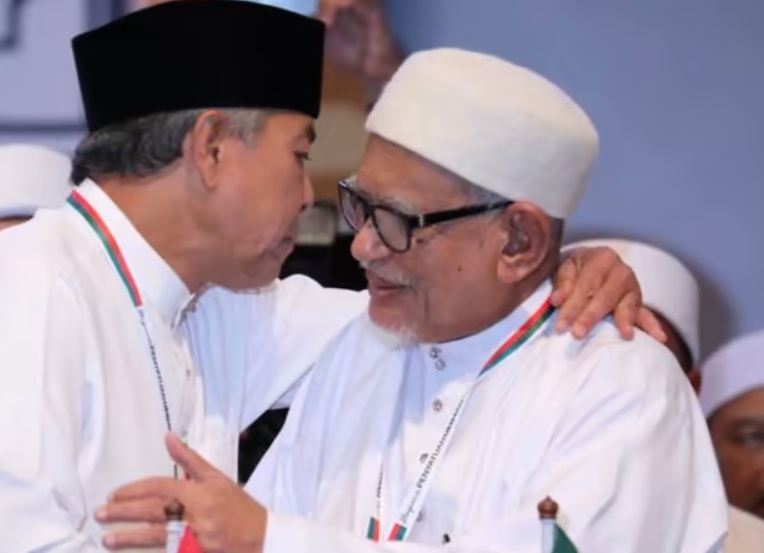

PAS’ growing willingness to accommodate Umno in electoral negotiations is raising questions about whether the Islamist party is giving too much ground to a former political rival, particularly as Umno begins looking for a foothold in the four states under PAS rule.
The arrangement for the November 14 Melaka state election has offered an early indication of the imbalance, with Barisan Nasional (BN) retaining 21 of the state’s 28 constituencies and leaving the remaining seven to Perikatan Nasional (PN).
Even when PN deputy chairman Datuk Seri Tuan Ibrahim Tuan Man sought another one or two seats, Umno president Datuk Seri Ahmad Zahid Hamidi made clear that BN would not reopen the allocation, saying the original agreement would stand.
For PAS, accepting BN’s leadership in Melaka may be a pragmatic decision given Umno’s electoral strength in the state.
But the arrangement has also exposed a difficult question: whether the party is prepared to extend the same accommodation to Umno in territories where PAS holds considerably more political ground.
That is where the discussion surrounding Kelantan, Terengganu, Kedah and Perlis, collectively known as SG4, becomes significant.

Umno Supreme Council member Datuk Nur Jazlan Mohamed has suggested that PAS allocate one-third of the state seats in the four states to Umno, arguing that PAS need not contest every constituency if both parties are serious about Malay political cooperation.
The proposal is a considerable ask given the electoral standing of the two parties in those states.
PAS won all 27 seats it contested in Terengganu in the 2023 state election, 37 of 45 in Kelantan, 21 of 36 in Kedah and nine in Perlis.
Umno, meanwhile, has only two elected representatives across the four states, both in Kelantan.
The disparity makes Nur Jazlan’s proposal particularly contentious.
It would require PAS to make room for a party that has a far smaller electoral presence in the region, potentially at the expense of constituencies where it has spent years building its support.
The suggestion has also exposed unease within Umno itself.
Kedah Umno information chief Shaiful Hazizy Zainol Abidin has cautioned Nur Jazlan against making statements that could disrupt the negotiations, saying the state chapter’s preliminary discussions with PAS had been progressing well.
He said the parties wanted an arrangement that would benefit both sides and urged Umno leaders not to jeopardise the process with public demands.
The response suggests that even within Umno, there is an awareness that the political realities in SG4 cannot simply be treated as an extension of the Melaka arrangement.
PAS assistant secretary-general Syahir Sulaiman has acknowledged preliminary indications of possible cooperation in the four states, but stressed that formal negotiations have yet to begin.
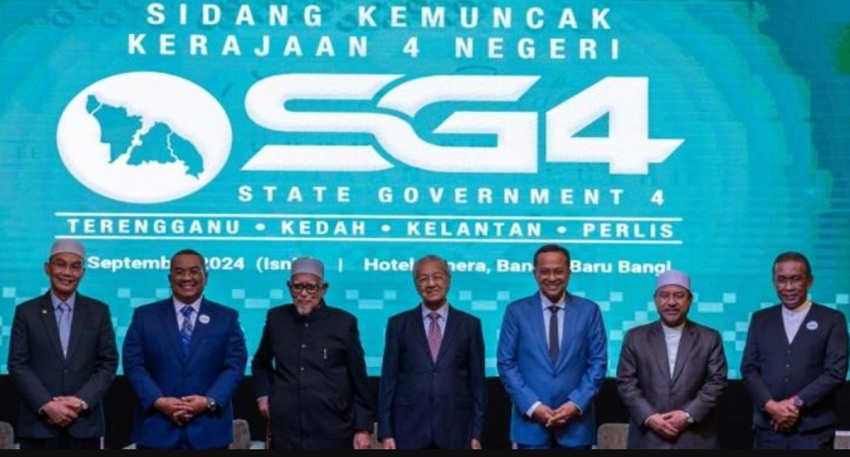
He also made clear that PAS president Tan Sri Abdul Hadi Awang’s acceptance of BN leadership in Melaka should not be interpreted as an agreement on the political arrangement in SG4.
That distinction will be crucial.
PAS is not entering negotiations in the four states from the same position it occupies in Melaka.
It controls the state governments and has an established electoral base, while Umno is seeking to rebuild its presence.
If the party is seen to be conceding constituencies despite having little electoral reason to do so, it could face questions from its own members about the value of the partnership.
The issue also goes beyond seat distribution. PAS has built its political influence through PN, particularly alongside Bersatu, and any closer understanding with Umno will inevitably raise questions about the future of that relationship.
The prospect of PAS and Umno working together may offer a way to avoid competing against each other and splitting Malay votes.
But it also puts PAS in a difficult position if the terms of cooperation begin to favour Umno at the expense of its existing political partners.
Former law minister Datuk Mohd Zaid Ibrahim, who recently joined PAS, has already questioned the party’s approach, arguing that it should be more assertive in negotiations rather than repeatedly giving way to Umno.
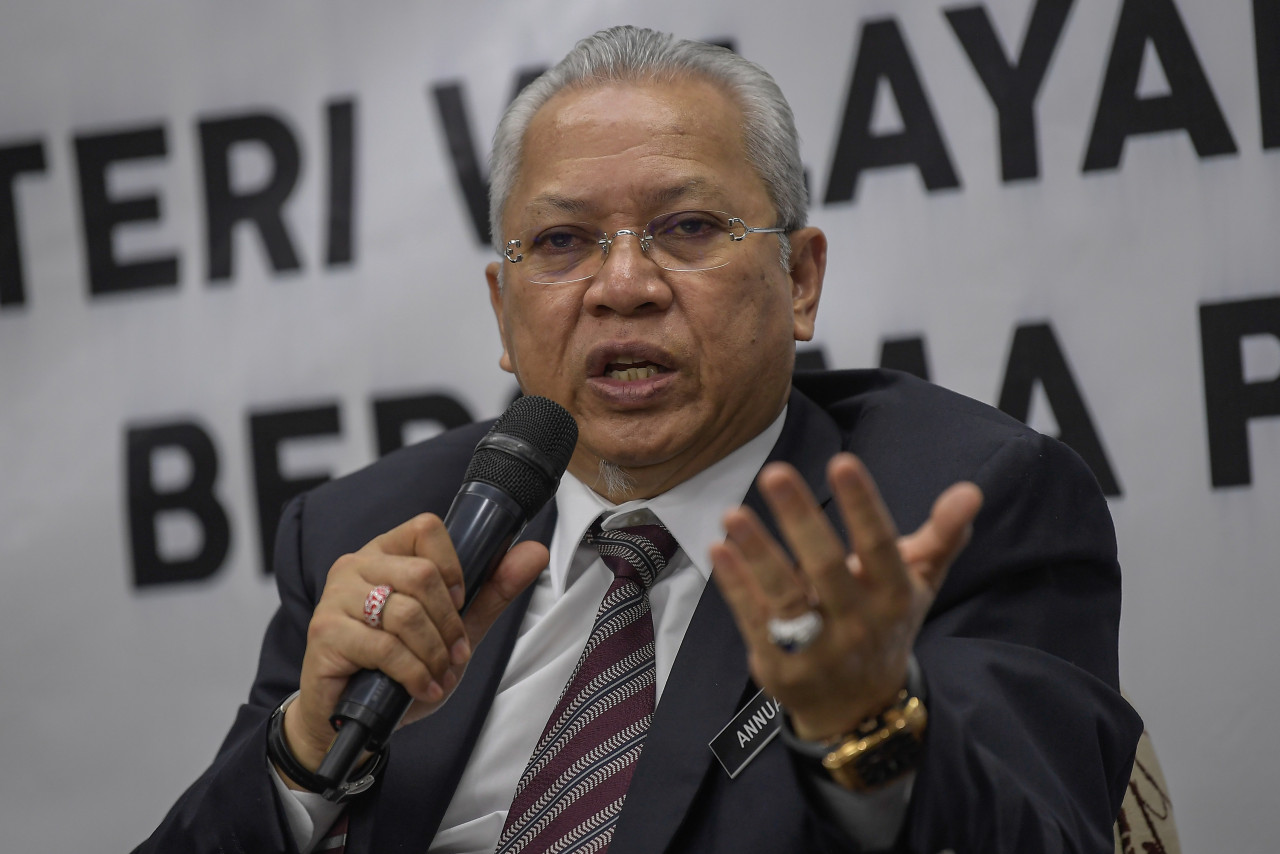
He also backed the concerns raised by Tan Sri Annuar Musa over the Melaka arrangement, saying the allocation of seats should be determined by the party and candidate with the stronger prospects of winning a particular constituency.
Zaid’s criticism centred on whether PAS was losing sight of its own political ambitions, including expanding its parliamentary presence and making inroads into Selangor.
He also questioned whether the cooperation was intended to maximise the electoral prospects of Malay-based parties or primarily to facilitate Zahid’s ambition of becoming prime minister.
His remarks may reflect one view within PAS, but the underlying issue is unlikely to disappear once the Melaka election is over.
PAS has spent years establishing itself as a major force in Malay politics, often at Umno’s expense.
Its victories in the east coast and northern states have given it a position that it did not enjoy during earlier periods of cooperation with the former ruling party.
A partnership with Umno could offer strategic advantages, particularly in constituencies where competition between the two parties risks dividing their supporters.
But political cooperation also requires both sides to recognise each other’s strengths.
If PAS is expected to make way for Umno in Melaka while also surrendering a significant share of constituencies in states it governs, the arrangement could become increasingly difficult to justify.
For Umno, the opportunity is clear. Cooperation with PAS could help it regain access to constituencies and voters in states where its influence has diminished.
For PAS, however, the calculation is more complicated.
It must decide whether accommodating Umno will strengthen its position nationally or gradually erode the political independence and electoral influence it has built within PN.
The danger is not simply that PAS could lose seats in future elections.
It is that the party could find itself having to explain to its own supporters why a former rival is being given room in territories where PAS has already established its dominance.
The Melaka deal may have demonstrated PAS’ willingness to accept Umno’s leadership under specific political circumstances.
Whether that willingness extends to SG4 will be a much more consequential test of the relationship.
And if the concessions begin to appear one-sided, the discontent may come not only from PAS’ political partners, but from within the party itself. – October 30, 2026