
GEORGE TOWN – The unheard voices during this pandemic would be the voices of children.
Drowned out by health and economic complications their parents might be facing, the absence of school has left children feeling lonely and confused, leading to anxiety and even depression.
Doctors without Borders (MSF) recently held a forum that focused on the plight of children during this pandemic.
According to child activist and co-founder of Yayasan Chow Kit Hartini Zainudin, everyone is focused on what the adults are going through, but no one is speaking to the children.
“In the overarching issue of mental health and communication, there are two schools of thought – to say nothing to children or to overemphasise on the dooms and dangers of going leaving the house – but mention no solutions.
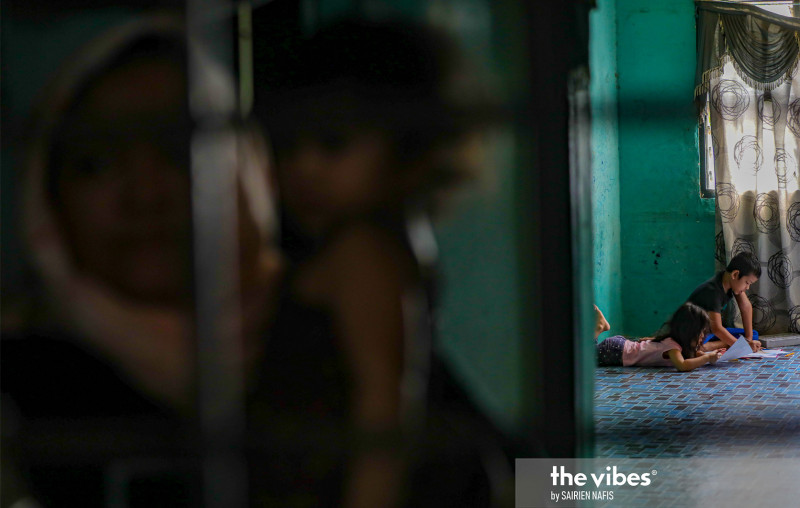
“What do you say to children who do not have access to education as they share their space with three families in a two-bedroom apartment? It is either their parents have no jobs, or their parents are at work.
“Others have questions such as ‘are we going to die?’
“When adults instil fear over the virus, they must also amplify the solution. In many cases, parents don’t know how and what to say.”
Hartini said she has received more calls during the movement control order (MCO) compared with ordinary days.
It has been reported that the MCO period has seen a rise in cases of incest and domestic abuse.
Hartini said she had to monitor one case hourly because a child was being abused by the mother, father and grandfather, which lasted four days.
“Most (children) are too afraid to call the hotline and we serve as an informal hotline for them to text. These children were texting us because they were afraid their parents could hear them if they made calls.
“Even if they did, they would whisper. I was constantly on the phone because their abusers are in the same house with the victims.”
Meanwhile, clinical psychologist and MSF Malaysia mental health supervisor Sarah Ann Chou addressed the issue of loneliness and anxiety among children as something that can be turned around if parents take the initiative to be present with them.
“I know parents have to work from home, and their children are also schooling from home. No doubt the parents experience a lot of pressure. But children pick up on your vibe and mimic it.
“Parents can learn to regulate and manage their emotions. They can understand that their children are also going through emotional growth and experiencing new feelings. As for teenagers, they are experiencing hormonal changes.
“This is an opportunity for both children and parents to work together.”
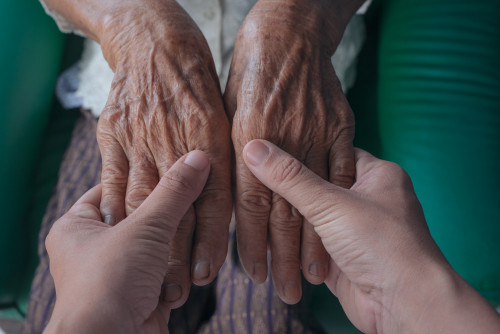
Sarah suggested that parents offer a hand to hold when their children are in class and as they take on the online meetings.
“Words of encouragement and something to look forward to after work is done can give the children something to anticipate. It is a matter of asking ‘what can you do’ and ‘what can I help you do?’.”
Hartini and Chou said routines are also important to give children and adults a sense of normalcy.
They added that staying at home without knowing what will happen next may cause younger children to experience interrupted sleep with nightmares, and many get clingy because they need to feel safe during periods of uncertainty.
Older children might experience lower motivational levels, poor concentration and low creativity. This affects all children, regardless of age, gender or social-economic status, they added.
That said, they agreed that the MCO is the perfect time for parents and caregivers to teach children life skills – from basic communication and problem-solving to critical thinking and the like.
MSF has also produced an activity book for children explaining about the pandemic without instilling fear.
It also guides parents on how to engage with their children on the topic.
The printable activity book is available free-of-charge at the MSF website. – The Vibes, January 24, 2021





.jpeg)