KUALA LUMPUR – A wildlife conservation NGO has raised the alarm that yet another sensitive ecologically rich habitat may fall prey and be destroyed by commercial mining in Pahang.
The World Wildlife Fund (WWF) Malaysia today said that approval is being sought from the Department of Environment (DoE) to extract minerals, such as iron ore, in Jerantut district, near the famous Taman Negara national park.
Its conservation director, Dr Henry Chan, said that, unlike the controversial mining project in Pahang’s Tasik Chini, which covers the size of about 60 football fields, this site in Jerantut is nearly double that size, covering an area of 113 football fields.
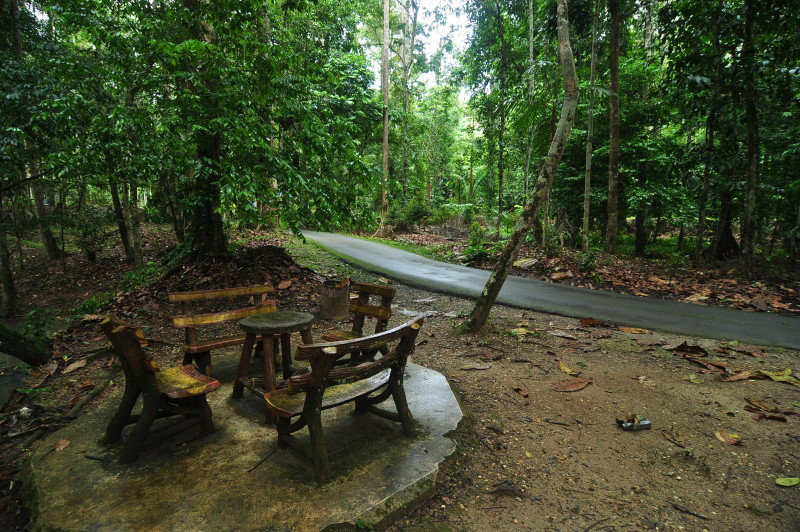
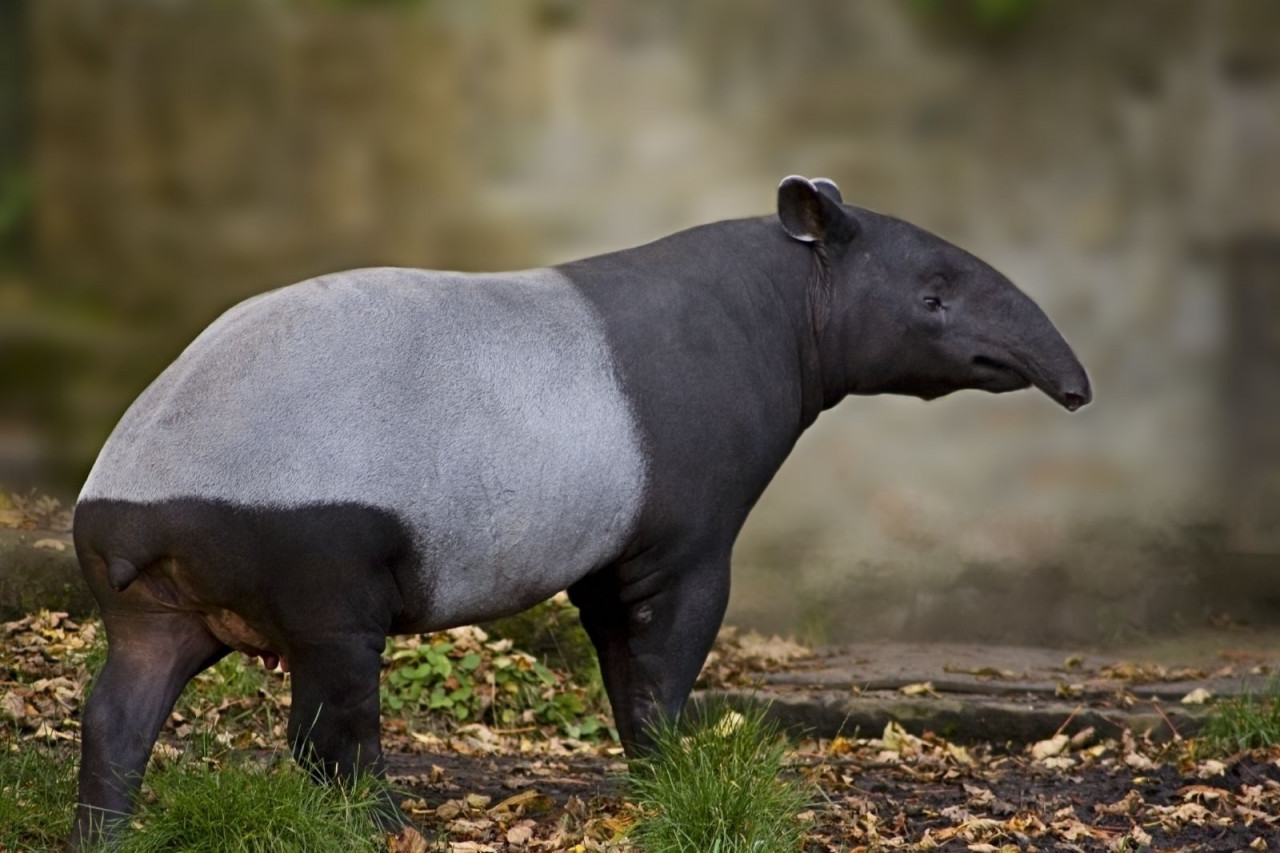
Located in the middle of the Som Forest Reserve, the area is known as a roaming habitat for several protected wildlife, such as the Asian tapir, Asian elephant, white-handed gibbon and critically endangered Malayan tiger.
Chan noted that, in reports released earlier this month, the Pahang government had approved mining operations in the vicinity of Tasik Chini, Pekan, the second largest natural lake in Peninsular Malaysia.
“These projects that revolve around mining minerals, such as iron ore, require large-scale excavation and land-clearing to accommodate the mining activities,” he said in a statement.
“The ensuing damage to the ecosystem and pollution to the areas concerned would be devastating, and the impact will be permanent unless rehabilitation is undertaken at great cost.”
Based on the Environmental Impact Assessment (EIA) report, Henry said the project in Jerantut will drastically and irreversibly impact wildlife habitats.
“The EIA also pointed out that human-wildlife conflicts are expected, the clearing of the forest is predicted to force threatened species to seek refuge and food further out of the forest and into human-populated areas.
“WWF Malaysia has called upon the government to reconsider its decision to allow these projects that would result in the clearing and excavation of this area,” he said.
Large-scale deforestation can lead to significant loss of biodiversity, multiple direct and indirect socio-economic impacts, as well as disrupt delicate ecosystems, he added.
“There have been one too many occurrences of unnecessary deaths of iconic and endangered species due to such projects, and we are deeply concerned that insufficient measures are being taken to protect our nature and wildlife.
The clearing of forests for agriculture and plantations, as well as infrastructure development, with poor planning and lack of compliance to environmental policies, seriously threaten the habitats of endangered species in Malaysia.”
On another note, Henry lauded a decree to recommend a halt to mining activities in the Tasik Chini area, as well as to expand the Chini Forest Reserve to 7,000ha and rehabilitate areas that had been mined there.
On June 14, Pahang Regent Tengku Hassanal Ibrahim Alam Shah Al-Sultan Abdullah Ri’ayatuddin Al-Mustafa Billah Shah had made the request following public outrage over the wanton exploitation of the ecological site recently.
Chan described the response from the public on environmental issues, especially the decree, as refreshing and commendable.
“In a clear validation of a growing trend, concerned individuals and consumers are acting on their concerns and demanding action over nature loss and biodiversity in an assortment of ways,” he said.
Although more than half of Malaysia is still forested, Henry said that it must be acknowledged that Malaysia has lost much of its natural heritage.
“In a business-as-usual scenario, we will lose more forests, and this must command a sense of urgency within the country.” – The Vibes, June 29, 2021