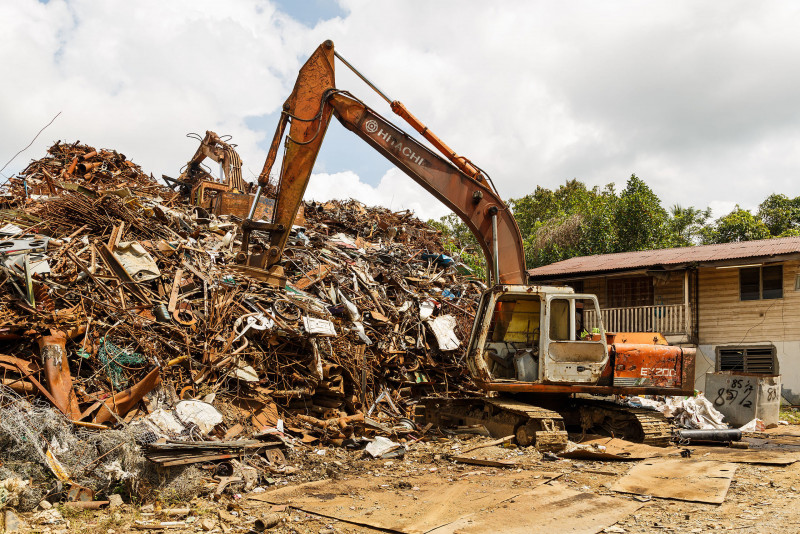
KOTA KINABALU – Scrapyard owners and collectors here are facing more issues in the last six months after Sabah imposed its ban on scrap iron export.
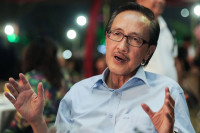
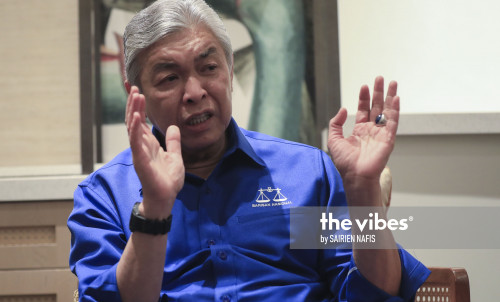
According to the Warisan deputy president Datuk Junz Wong, scrapyard owners would be able to accumulate up to 15,000 tonnes of scrap a month.
However, the sole firm appointed to process the scrap into rebars and billet would only be able to process a maximum of 8,000 tonnes a month, he said.
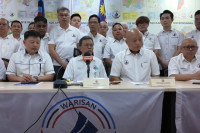
“This had resulted in an excess of scrap, for 10 scrapyard operators around Kota Kinabalu have accumulated up to 26,000 tonnes from unsold scrap,” he told reporters at his constituency office here today.
Furthermore, Wong said, scrapyard operators now face a cash flow problem with the company, which appears to be operating a monopoly by purchasing the scraps at RM200 lower than profits usually made from exporting them.
“They are not making anything from selling the scrap to this firm, and the ones who are really hard hit by the ban are the scrap collectors.
“Scrap buyers have to pay the collectors much lower now due to the control, which comes along with the export ban,” said Wong.
He said the 26,000-tonne accumulated scrap is only from scrapyard operators around the city, and he believes the pile-up must be much larger as there are over 80 scrapyard operators in Sabah.
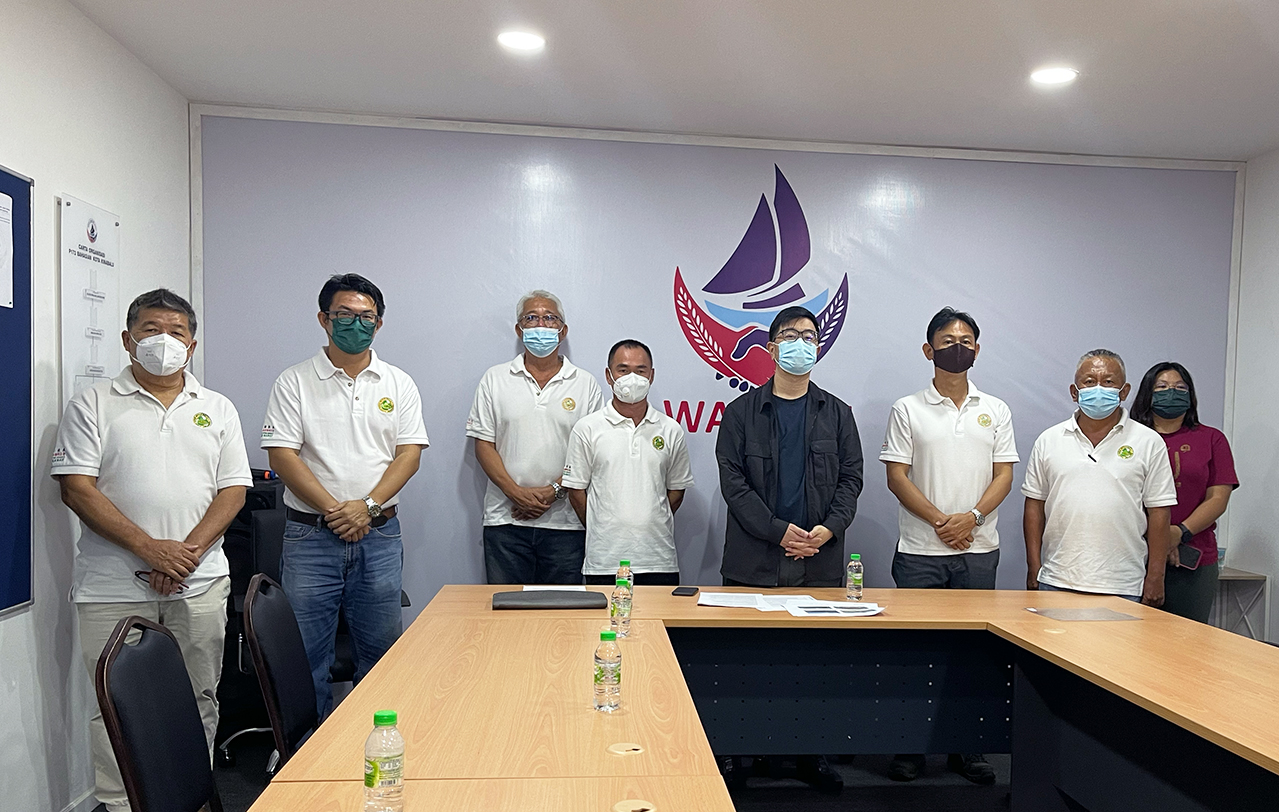
Wong also noted that scrapyard operators had met with Sabah Chief Minister Datuk Seri Hajiji Mohd Noor, who had told them the matter comes under the Industrial Development Ministry.
The group decided to meet with its minister Datuk Joachim Gunsalam but were not given a straightforward response, and since then, they have had no other choice but to store the unsold scrap metal.
On June 11, Hajiji announced the imposition of the scrap iron export ban due to an acute shortage of the raw material used to produce steel billet and rebar in the state.
The ban was part of the state’s move to impose an export sales tax on the item, with a target of RM200 per tonne, to keep supply adequate in Sabah and, among others, stabilise rebar prices, which had surged and increased construction costs.
Hajiji noted that in the future, the state will aim to produce 18,000 tonnes from the current 8,000 tonnes in both rebar and billet production per month.
It is learnt the sole company appointed to buy the scraps is Unimekar Metal Sdn Bhd, which has a facility at Kota Kinabalu Industrial Park in Sepanggar.
But steel prices in Malaysia have continued to surge during the pandemic, and industry observers expect the prices will continue to rise until 2022.
Wong, meanwhile, said he will be raising the issue again at the state assembly sitting, which will begin tomorrow. – The Vibes, December 2, 2021