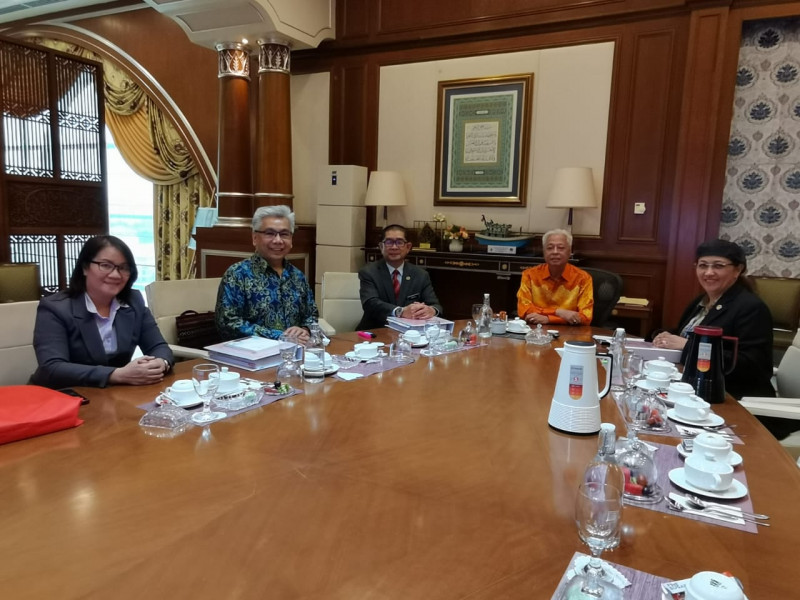
KOTA KINABALU – The Special Council on Malaysia Agreement 1963 (MA63) has endorsed restoring a 35% ratio for the overall number of East Malaysia parliamentary seats at a meeting today.
However, Minister in the Prime Minister’s Department (Sabah and Sarawak Affairs) Datuk Seri Maximus Ongkili said more engagements are still required to solve the issue.
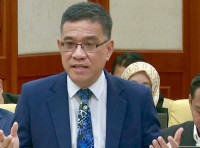
He revealed that during the council’s fifth meeting chaired by Prime Minister Datuk Seri Ismail Sabri Yaakob in Putrajaya today, lawmakers from Sabah and Sarawak demanded a review of both states’ number of parliamentary seats.
“But more engagements are required pertaining to the issue, especially among serving Borneo legislators and legal practitioners.
“In 1963, Sabah had 16 seats, Sarawak 24 and Singapore 15, representing 35% of the overall 159 parliamentary seats, while the remaining 65% or 104 seats were Malaya’s. Malaya does not possess the two-thirds majority alone.
“So when Singapore left Malaysia in 1965, the seats belonging to Singapore should be given to Sabah and Sarawak, to meet the 35% representation,” Ongkili stressed.
He added that the proposed restoration of seats ratio had been endorsed by the Parliamentary special select committee in 2012.
The Kota Marudu MP said that the ultimate task now is to convince the Election Commission and stressed that the issue should be pushed because it is another act of restoration in accordance with MA63.
Currently, out of the 222 parliamentary seats, 166 or 75% are in Peninsular Malaysia while the remaining 25% or 56 seats are in the Borneo states, with Sarawak having 31 and Sabah 25.
In another development, the Health Ministry disclosed that efforts are ongoing to beef up its services in Sabah and Sarawak.
Health Minister Khairy Jamaluddin briefed the MA63 special council, which includes Sabah Chief Minister Datuk Seri Hajiji Noor and Sarawak Premier Tan Sri Abang Johari Openg, senior federal and state ministers and officials, that both Sabah and Sarawak can expect additional doctors and nurses soon, as well as other medical facilities.
“Also in the pipeline are plans to repair dilapidated hospitals and clinics in both states, and to ensure there are sufficient numbers of specialists at all healthcare outlets,” Khairy said. – The Vibes, September 8, 2022