KUALA LUMPUR – After a three-year hiatus due to the Covid-19 pandemic, the Malaysian Palm Oil Association (MPOA) through its Perak-Kedah branch resumed its commemoration of the role planters had in the Malayan Emergency or “Darurat”.
June 18 yesterday marked the emergency declaration against the communists by Britain in 1948.
The spark that lit the fuse for the declaration was the murder of planters by “bandits” who would later be known as “Communist Terrorists”.
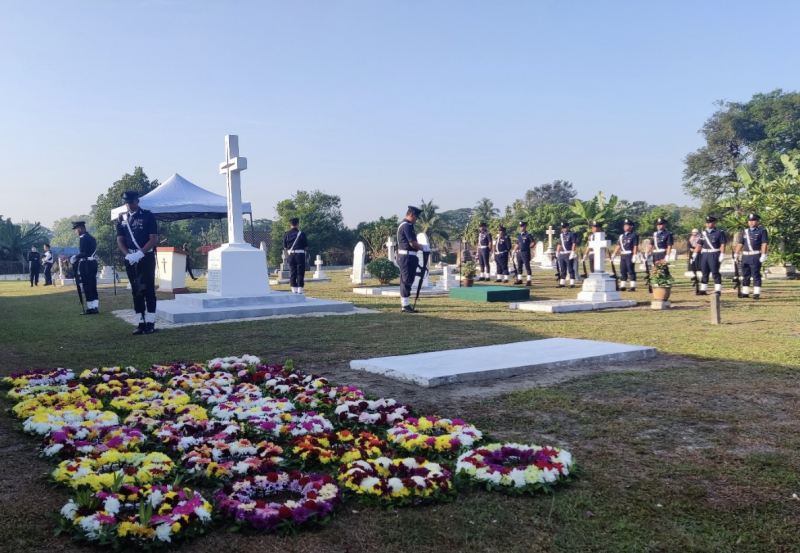
MPOA’s commemoration of the 75th year of remembrance was held on Saturday at Batu Gajah, Perak.
The tribute saw people from all walks of life come to pay their respects to the fallen heroes from the police and military forces, as well as planters, miners and civilians who lost their lives during the emergency from 1948 to 1960.
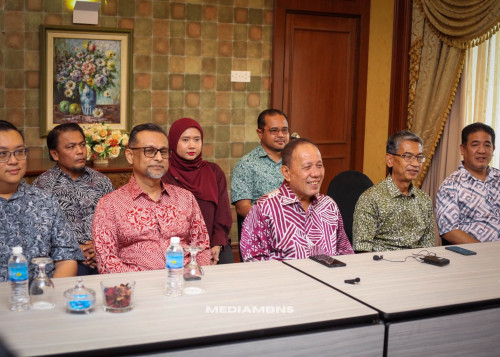
Among the attendees were the guest of honour, Ng Kong Soon, representing the Royal Malaysian Police; His Excellency The Most Reverend Datuk Seri Sebastian Francis, Bishop of the Diocese of Penang; Sharmila Bernau, Deputy High Commissioner of New Zealand; representatives from the British High Commission; police and army representatives; war veterans; and plantation stakeholders across the supply chain.
All were united in their shared respect and remembrance as solemn wreaths were laid at the remembrance monument.
_mpoa_pic.jpeg)
Declaration ignites 12-year battle
The Anglican cemetery, known as “God’s Little Acre”, dating back to 1891, serves as a solemn resting place for over 600 individuals, many of whom were early pioneer settlers in Perak.
Notably, 115 individuals who died during the emergency are buried there, and their names are immortalised on the Roll of Honour memorial near the entrance.
The Malayan Emergency began with the first shots fired in Perak, resulting in the tragic murder of three European planters on their estates.
The ruthless killing of A.E. Walker, T.G. Christian and J.M. Allison shook the region.
According to the Incorporated Society of Planters, a Malayan planter named Chung Chow Yen, manager of the Triang estate in Mentakab, was murdered before the Europeans, on June 7, 1948.
Subsequently, this led to Britain declaring a state of emergency in Malaya on June 18, 1948, followed by Singapore on June 24.
This declaration initiated a 12-year battle between the British and the Malayan Communist Party, ending only on July 31, 1960, three years after Malaya’s independence.
Throughout this tumultuous period, 99 planters lost their lives.
_mpoa_pic.jpg)
Lives lost, lessons learnt
“When we gather to commemorate the event, we acknowledge and honour the past, and instil a sense of humble appreciation for the hard-won liberties we enjoy today,” said MPOA chief executive Joseph Tek.
At the remembrance, Tek also delivered a presentation titled Planters and the Malayan Emergency.
Tek said MPOA believes it is crucial to impart to the younger generation in Malaysia the significance of this chapter in the country’s history.
“Despite achieving Independence without widespread bloodshed, our nation fought and emerged victorious against the communist insurgency.
“The lives lost during those challenging years were not in vain.
“The memorial serves as a touching symbol, reminding us of the sacrifices and resilience displayed during the nation’s arduous journey towards Merdeka, our path to freedom.
In appreciating the struggles of our predecessors, including the pioneering planters, we pray our nation can better navigate the present and strive harder to build a brighter future.”
“To those who fought selflessly for us, we are eternally grateful. Lest we forget,” added Francis Ng, the MPOA Perak-Kedah organising chairman.
In the emergency, Malayan forces were aided by the Commonwealth Forces from the United Kingdom, Australia, New Zealand, Fiji and Commonwealth East African countries (Rhodesia, now known as Zimbabwe, and Kenya).
Gurkha units from Nepal under the British Command were also part of the collective effort to repel the communist threat.
The UK’s National Army Museum puts the total deaths at more than 500 soldiers and over 1,300 police on the Malayan and British side, while communist losses were estimated to be at over 6,000 and over 1,200 captured. More surrendered later.
Other sources put the number of Malayans from the police force who were killed at 1,346, while over 2,000 civilians also perished.
Today, the cemetery in Batu Gajah stands as a poignant reminder of this turbulent chapter in the country’s history, serving as the final resting place for those who lost their lives during the emergency. – The Vibes, June 19, 2023



_and_lohs_album.jpeg)