BRUGES is a city that became famous twice.
The first time because the world needed it. The second because it no longer did.
Walk along its canals today, and the paradox is hard to miss.
The boats carry tourists, not merchants. Warehouses have acquired other lives. People come for Van Eyck, architecture, beer, chocolate, and the agreeable sensation that history has somehow survived the people who usually improve things.
Centuries ago, nobody came to Bruges for atmosphere. They came because business was there.
For generations, the city prospered through its connection to the North Sea via the Zwin.
Merchants, bankers, goods and money converged there.
Then access deteriorated, commerce shifted, Antwerp rose, and Bruges lost the position that had made it one of Europe’s great trading centres.
What followed was decline. But decline did something success might not have done: it left a great deal behind.
This was not foresight. Nobody in fifteenth-century Bruges was protecting urban fabric for the weekend-break economy.
Failure, neglect, luck and preservation all had a hand in what survived.
And centuries later, people came back.
Melaka makes the story less tidy.
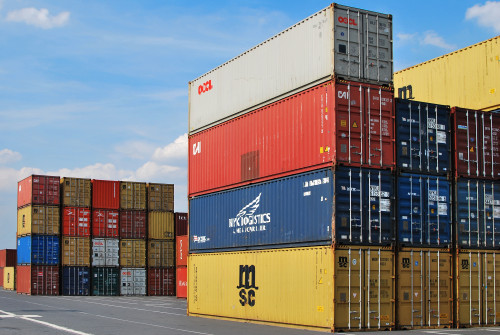
It too was once a place the world had good reason to pass through: a great Asian entrepôt positioned on one of the most important maritime routes on earth.
Its commercial primacy eventually shifted elsewhere, notably towards Penang and Singapore.
But Melaka did not simply leave behind buildings.
Trade had brought Malay, Chinese, Peranakan, Chitty and Portuguese Eurasian histories into the same place, among others.
People arrived, settled, mixed and stayed. Languages met.
Religions shared streets. Food, as usual, crossed boundaries with far less anxiety than politics.
The port produced more than wealth. It produced a society.
That is why Melaka is more interesting than the postcard version of Melaka.
The shophouses, churches, mosques, temples and red buildings matter.
But heritage there is not only masonry. It is human sediment.
The Strait remains one of the world’s great maritime arteries. Ships still pass through it in enormous numbers.
They simply no longer need the city that gave the strait its name in the way they once did.
And yet people come.
This is where “heritage” starts to feel like an insufficient explanation.
Plenty of cities have old buildings. Plenty have fascinating histories. Plenty have spent serious money explaining both to visitors.
Not all of them make us want to linger.
What Bruges and Melaka retained was not simply a past.
It was the ability to become interesting for reasons different from those that had once made them important.
That transition is messy. Old commercial infrastructure acquires new uses.
Streets built around trade begin trading partly in the memory of trade itself. Buildings survive; so do cuisines, rituals, communities and stories.
Sometimes this happens by design. Sometimes by accident. Usually by some untidy combination of both.
And yes, memory can become a business. Canals become attractions.
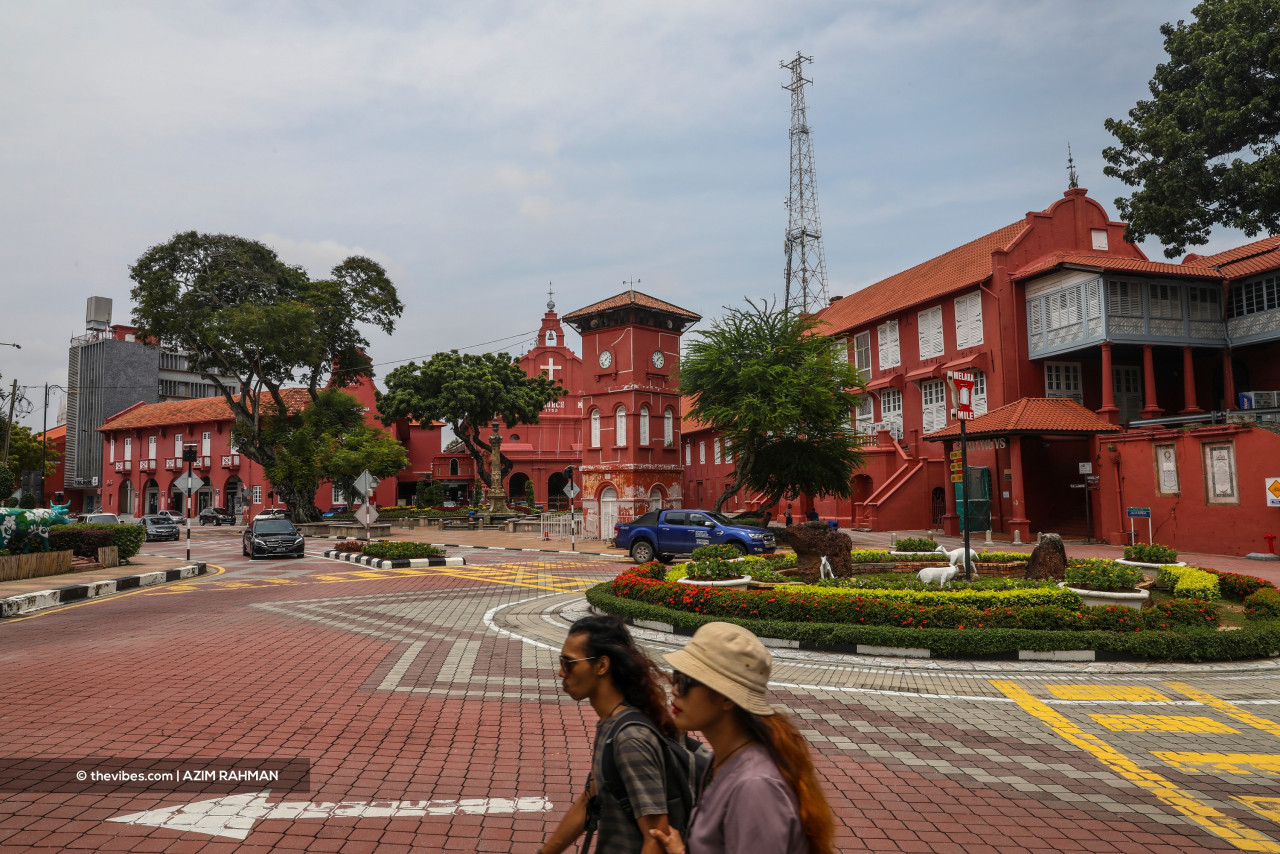
Warehouses become hotels, restaurants or apartments. Historic districts acquire tour groups, souvenir shops and carefully selected viewpoints.
At some point, a city starts selling access to a history that happened before anyone thought of selling tickets to it.
This can go wrong.
Preserve too little and what made the place distinctive disappears. Preserve too perfectly, and the city begins performing itself.
Bruges and Melaka live somewhere in between. Neither is a museum.
Neither is what it once was. That is precisely the point.
We like to turn successful places into formulas. Governments do it.
Consultants do it. International organisations do it. Find a historic city that works, identify best practices, add pedestrianisation, creative industries, boutique hotels and tasteful signage, then wait for authenticity to arrive.
Authenticity, unfortunately, has a poor record of responding to procurement.
What survived in Bruges and Melaka was never the product of a single strategy. Some things were protected. Some escaped destruction.
Some remained because communities continued to live there. Only later did much of what was left acquire another kind of value.
The question is not really about heritage.
Countries face it. Institutions face it. People do too.
What happens when the thing that once made you important no longer does?
We spend a great deal of time thinking about how to become relevant and rather less about what happens after relevance moves elsewhere.
Yet it always does, eventually. Trade routes shift. Technologies change. Titles disappear.
Strategic assets become anecdotes. The centre of gravity develops a habit of relocating.
There is no serious strategy for remaining indispensable forever.
Perhaps the more interesting question is what remains when indispensability has gone — and whether anyone still has a reason to come back.
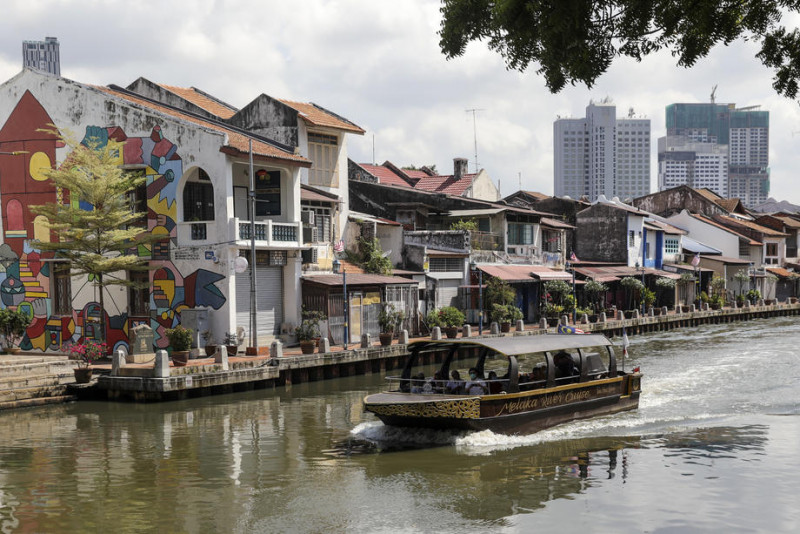
Today, boats still move through Bruges and along the Melaka River. They no longer carry the cargo that made either city famous.
They carry people who came after the world moved on.
And stayed a while.
Pascal H. Grégoire is a career diplomat and essayist who served as Belgium's Ambassador to Malaysia from 2018 to 2022. He is the editor of Contre-Jour and currently the ambassador of Belgium to the Kingdom of Saudi Arabia.