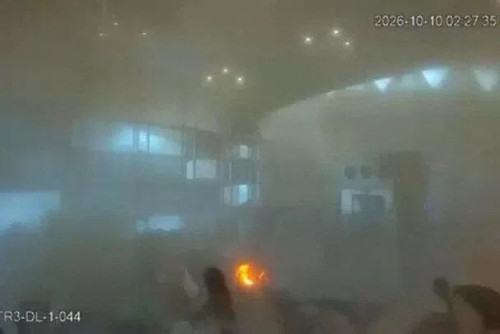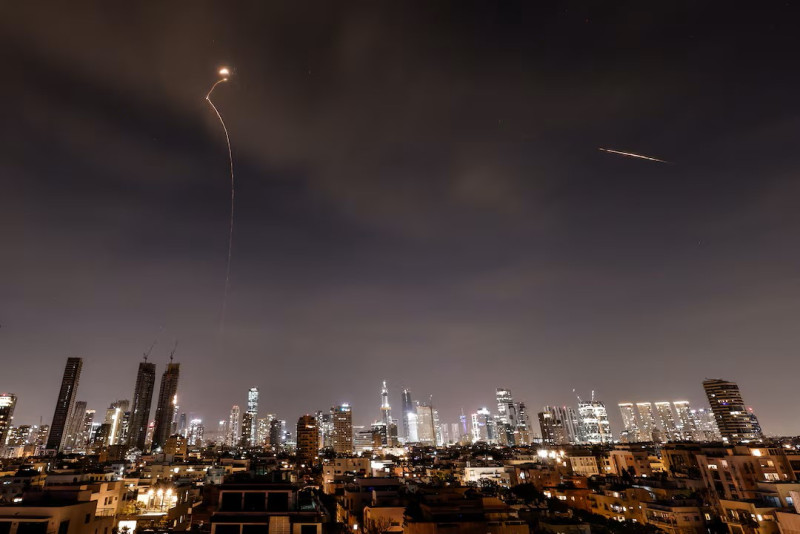
IRAN fired multiple waves of missiles at Israel, triggering air raid sirens across major cities including Tel Aviv, where explosions from interception systems were heard.
Reuters reported on Tuesday that homes in northern Israel were damaged by falling debris, though no fatalities were reported.
The attacks came after U.S. President Donald Trump delayed a threatened strike on Iran’s power infrastructure, citing what he described as “productive talks” with Iranian officials, a claim swiftly dismissed by Tehran.
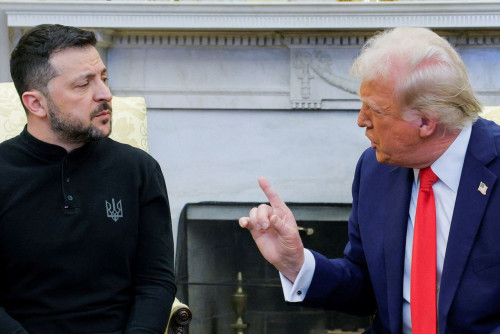
As the war enters its fourth week, previously undisclosed details have shed light on a crucial exchange between Trump and Benjamin Netanyahu less than 48 hours before a major US-Israeli operation against Iran.
According to sources familiar with the call, both leaders had received intelligence indicating that Iran’s Supreme Leader, Ali Khamenei, and senior officials would be gathered at a compound in Tehran, presenting a rare opportunity for a “decapitation strike”.
However, updated intelligence suggested the meeting had been moved forward, narrowing the window for action.
Netanyahu argued there might never be a better chance to eliminate Khamenei and weaken Iran’s leadership, while also citing alleged Iranian plots to assassinate Trump.
The United States Department of Justice has previously accused a Pakistani national of attempting to recruit individuals in the US in a purported 2024 plot, described as retaliation for the killing of Qassem Soleimani.
While Trump had already approved the concept of military action, sources said he had not finalised the timing or scope of US involvement.
The call is believed to have been a decisive moment ahead of the launch of the operation, codenamed Operation Epic Fury, in late February.
The initial strikes targeted Iran’s nuclear facilities and missile infrastructure, with US forces later joining Israeli operations.
Trump subsequently declared that Iran’s nuclear capabilities had been “obliterated”, although analysts have questioned the extent to which strategic objectives were achieved.
A White House spokesperson said the operation aimed to “destroy the Iranian regime's ballistic missile and production capacity, annihilate the Iranian regime's Navy, end their ability to arm proxies, and guarantee that Iran can never obtain a nuclear weapon.”
Netanyahu has rejected suggestions that Israel pressured Washington into war, dismissing such claims as “fake news”.
“Does anyone really think that someone can tell President Trump what to do? Come on,” he said.
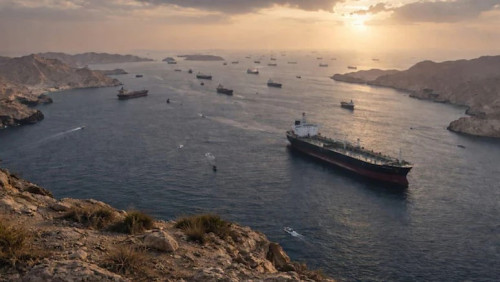
The conflict has since widened, with Iranian retaliatory strikes targeting US and allied assets, contributing to rising casualties, regional instability and the closure of key النفط shipping routes, including the Strait of Hormuz.
US Defence Secretary Pete Hegseth suggested retaliation was among the motives behind the campaign.
“Iran tried to kill President Trump, and President Trump got the last laugh,” he said.
Behind the scenes, diplomatic efforts had faltered in the months leading up to the escalation, as negotiations over Iran’s nuclear programme failed to yield an agreement. At the same time, joint military planning between Israeli forces and the US Central Command intensified.
Israeli officials had also raised concerns about Iran’s expanding ballistic missile programme, warning it could eventually threaten targets beyond the region.
Despite speculation that the removal of Iran’s leadership could trigger political change, intelligence assessments reportedly cautioned that any successor to Khamenei would likely be another hardliner.
Following Khamenei’s reported death, his son, Mojtaba Khamenei, has been named as the new supreme leader, as the conflict continues with no immediate resolution in sight.
With missile exchanges ongoing and diplomatic channels strained, the war is increasingly defined not only by military confrontation but also by its far-reaching economic and geopolitical consequences. - March 24, 2026