THE United States has reportedly submitted a 15-point proposal to Iran aimed at de-escalating the ongoing conflict in the Middle East, according to media reports citing officials familiar with the diplomatic efforts.
The plan, conveyed through Pakistan, is said to outline measures addressing Iran’s nuclear programme, ballistic missile capabilities and maritime security in the Strait of Hormuz, a critical global shipping route.
The proposal was reported by The New York Times, which cited two officials briefed on the diplomacy as reported by Anadolu.
However, it remains unclear whether Iran will accept the plan or whether Israel supports it, as hostilities continue into their fourth week involving US-Israeli strikes and Iranian counterattacks.
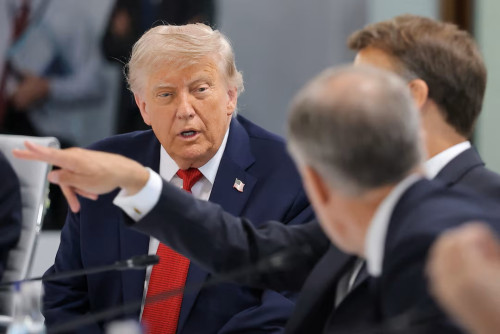
In parallel, US President Donald Trump said Washington is making progress in negotiations to end the war, claiming that discussions are underway with what he described as the “right people” in Iran.
Trump told reporters at the White House that Iran is willing to reach a deal. “We’re in negotiations right now,” he said, according to CNA, adding that Tehran has shown interest in concessions related to non-nuclear energy and the Strait of Hormuz, although he did not provide further details.
Iran, however, has denied that direct talks are taking place. Iranian Parliament Speaker Mohammad Baqer Qalibaf dismissed such reports as “fake news.”
Israeli Channel 12, citing multiple sources, reported that the United States is seeking a temporary ceasefire of about one month to allow discussions on the proposed framework.
While details remain limited, the reported plan is said to include dismantling Iran’s nuclear programme, ending support for proxy groups and reopening the Strait of Hormuz.
A source familiar with the matter confirmed that the US had transmitted the plan to Iran but did not disclose further information. Israeli Prime Minister Benjamin Netanyahu has not publicly commented on the proposal.
Meanwhile, Iran has informed the United Nations Security Council and the International Maritime Organization that “non-hostile” vessels may transit the Strait of Hormuz provided they coordinate with Iranian authorities, according to a note cited in reports on Tuesday.
The Strait, through which roughly 20 per cent of global oil shipments pass, has been heavily impacted since the onset of the conflict, with Iran effectively tightening control over the waterway following the escalation of strikes by the US and Israel.
The disruption has contributed to significant volatility in global energy markets and rising fuel prices.
Pakistan is also reported to be playing a mediating role, with its Chief of Army Staff General Qamar Javed Bajwa emerging as a key intermediary between Washington and Tehran. Officials quoted in reports said Islamabad has indicated readiness to host talks if both sides agree.
On Monday, Trump announced a five-day pause in attacks on Iran’s energy infrastructure, describing recent discussions with Tehran as “very good and productive.”
Iranian officials, meanwhile, said they had received messages from several “friendly countries” conveying US requests for negotiations, while continuing to deny direct engagement with Washington.
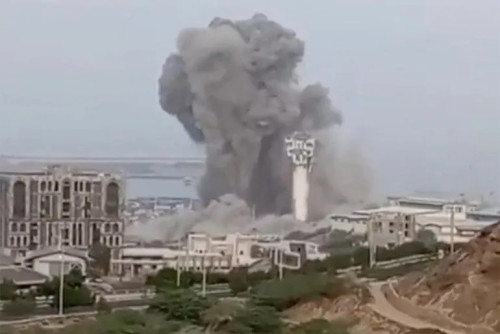
The conflict, which began with US and Israeli airstrikes on February 28, has resulted in significant casualties and widespread regional disruption.
Iran has responded with drone and missile attacks targeting Israel, as well as Jordan, Iraq and Gulf states hosting US military assets, leading to damage to infrastructure, civilian casualties and broader impacts on global trade and aviation. - March 25, 2026










_leader__Sanae_Takaichi.jpg)