EFFORTS to broker an agreement ending the war involving the United States, Israel and Iran appeared increasingly fragile on Wednesday after President Donald Trump dismissed reports that Tehran and Oman could jointly manage shipping through the Strait of Hormuz under a proposed settlement framework.
The remarks underscored widening disagreements between Washington and Tehran despite recent optimism that a ceasefire agreement could evolve into a broader diplomatic resolution to the conflict that erupted in late February.
Reuters reported on Thursday that Trump’s comments followed reports by Iranian state television claiming it had obtained an unofficial draft agreement aimed at restoring commercial shipping through the strategically vital waterway to pre-war levels within a month.
According to the reported framework, Iran and Oman would jointly oversee maritime traffic through the Strait of Hormuz, while the United States would ease its blockade of Iranian ports and reduce military deployments near Iran.
However, Trump forcefully rejected suggestions that any individual state would control the international shipping corridor, which remains one of the world’s most critical energy transit routes.
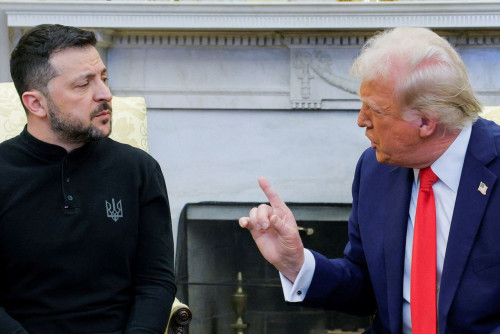
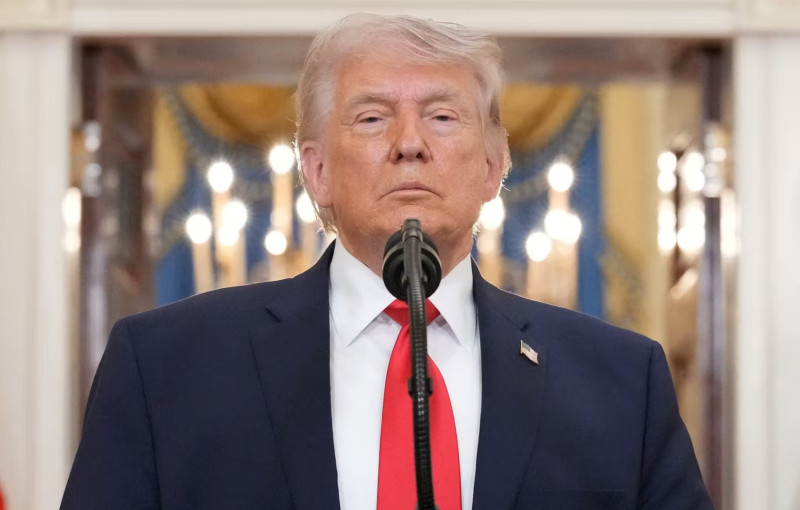
“Nobody’s going to control the strait,” Trump said during a cabinet meeting attended by reporters.
“It’s international waters and Oman will behave just like everybody else or we’ll have to blow them up. They understand that, they’ll be fine.”
Neither the White House nor Oman’s embassy in Washington immediately commented on the remarks.
The sharp exchange highlighted the continuing gulf between the negotiating parties even as American officials have repeatedly suggested that an initial deal to halt hostilities may be close.
Ebrahim Azizi responded by accusing Trump of alternating between threats and diplomatic overtures in an effort to break what he described as a strategic impasse.
“It is obvious Trump, seeking a way out of this strategic deadlock, alternates between issuing threats and appealing for an agreement,” Azizi wrote on X.
He insisted Iran would not retreat from demands relating to uranium enrichment, sanctions relief and authority over the Strait of Hormuz.
The conflict, which began following coordinated United States and Israeli strikes against Iran on February 28, has already triggered severe disruptions to global oil and gas markets, sending energy prices sharply higher and destabilising shipping routes across the Gulf.
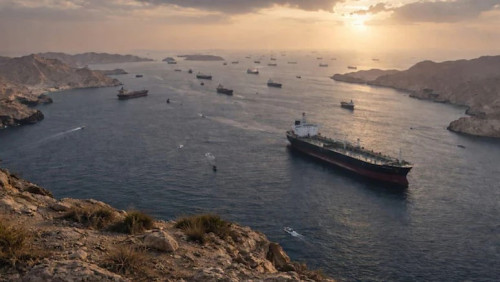
Before the war, the Strait of Hormuz handled roughly one-fifth of the world’s oil and liquefied natural gas trade, with between 125 and 140 vessels transiting daily.
According to the Islamic Revolutionary Guard Corps Navy, only 23 commercial vessels, including oil tankers and container ships, passed through the waterway with Iranian authorisation over the previous 24 hours.
Oil prices initially fell by more than five per cent after reports emerged of a possible agreement, although markets later recovered part of those losses amid uncertainty surrounding the negotiations.
The Iranian state television report also claimed the proposed framework would include a reduction of United States military forces operating near Iran, although the White House later dismissed the report as a “complete fabrication”.
The Pentagon has not publicly commented, but the United States currently maintains approximately 15,000 troops enforcing operations linked to the blockade of Iran, alongside thousands more personnel stationed at bases across Gulf states including Qatar, Bahrain and the United Arab Emirates.
One of the central obstacles in negotiations remains Iran’s nuclear programme.
The reported draft agreement made no reference to dismantling Tehran’s nuclear activities, despite longstanding American demands for Iran to abandon its enrichment capabilities.
Iranian officials reportedly want the nuclear issue postponed to a second phase of negotiations, a position that may face resistance from key figures within Trump’s political base.
“The bottom line is Iran’s never going to have a nuclear weapon,” said Marco Rubio during the cabinet meeting.
Iran, however, continues to insist its nuclear programme is intended solely for peaceful civilian purposes.
Trump also renewed pressure on regional governments including Saudi Arabia, Qatar, Pakistan, Turkey, Egypt and Jordan to join the Abraham Accords as part of a broader regional settlement involving Israel.
Several of those countries have reportedly declined to do so.
“I’m not sure we should make the deal if they don’t sign, if you want to know the truth,” Trump said.
The war is increasingly creating domestic political challenges for Trump as well, with opinion polls showing growing public opposition to the conflict less than six months before crucial midterm elections that could determine Republican control of Congress. - May 28, 2026