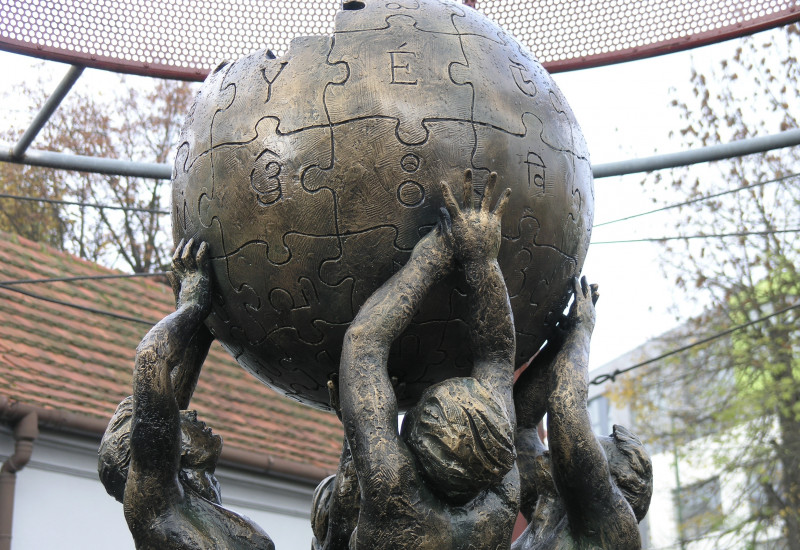
PARIS – Wikipedia today celebrates its 20th anniversary, and the collaborative, volunteer-produced internet encyclopaedia aims to spend the next two decades further expanding free access to information.
Founded on January 15, 2001 by American-British entrepreneur Jimmy Wales, Wikipedia is now the seventh-most-popular website in the world, with its more than 55 million articles being consulted 15 billion times every month.
The website started in English, but within two months, launched in German and Swedish. It is now available in 309 languages.
But, Wales does not intend to stop there, with the languages of the developing world in the website’s sights.
“That’s really important that the next billion people, two billion people, who come online are going to want to participate in Wikipedia, to grow their own storehouse of knowledge, and they’re going to rely on us to support that work, and that’s a big part of how I think about the future,” he told AFP in an interview.
In 2006, Wales set the goal of having 100,000 entries in Wikipedia for every language with more than a million speakers, but he recognises that the site is still at least 20 years from achieving that.
Wikipedia’s non-profit status makes it an outlier in today’s internet, which is dominated by the likes of Google and Facebook, and harks back to the web’s early idealistic days, when the open-source movement harnessed the talents of volunteers to offer free access to tools and knowledge.
Wales said he was inspired by such collaborative efforts.
“I’d seen the growth of open-source software, free software, and to me, it seemed obvious that you could use the same kind of techniques to build a free encyclopaedia, so I was in a real kind of panic because I thought this is such an obvious idea that other people will do it.
“But we actually were probably two years into the project before anybody noticed or cared, so maybe, it didn’t have to be so urgent.”
Wikipedia continues to be a volunteer-driven effort, with each language site built up independently from original contributions rather than translated articles.
Unlike traditional encyclopaedias, contributions by non-experts are welcome, which has driven innumerable debates over content and led to restrictions on updating certain entries.
The website has also come in for criticism due to the fact that its volunteers are overwhelmingly white men from Western countries, with critics saying it lacks information about women and developing nations. – AFP, January 15, 2021














.jpg)