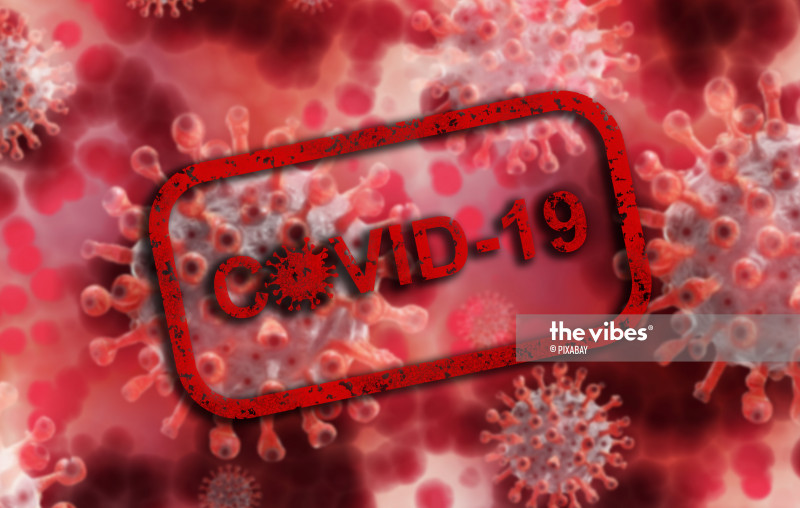
GENEVA – The WHO said yesterday that one strain of a Covid-19 variant first detected in India was now considered “of concern” and had been dubbed "Delta", while two other strains had been downgraded.
The B.1.617 variant, which has in part been blamed for India’s explosive outbreak, has been dubbed a triple mutant variant since it is split into three lineages.
The United Nations health agency last month declared the entire strain a “variant of concern” (VOC), but said only one of the sub-lineages deserved that label yesterday.
“It has become evident that greater public health risks are currently associated with B.1.617.2, while lower rates of transmission of other lineages have been observed,” said WHO in its weekly epidemiological update on the pandemic.
The B.1.617.2 variant remains a VOC along with three other variants of the virus that are seen as more dangerous than the original version as they are more transmissible, deadly or have the potential to get past some vaccine protections.
In line with a decision announced on Monday to refer to the variants using Greek letters, in a bid to avoid the possible stigmatisation associated with referring to them with the name of the countries where they were first detected, that variant has now been dubbed Delta.
“We continue to observe significantly increased transmissibility and a growing number of countries reporting outbreaks associated with this variant,” the UN agency said.
“Further studies into the impact of this variant remain a high priority for WHO.”
In fact, a new hybrid variant announced by Vietnam’s health authorities on Saturday appears to be a variation of Delta.
“What we understand is that it is this B.1.617.2 variant with one additional deletion in the location of the spike protein,” said WHO technical lead on Covid-19 Maria Van Kerkhove yesterday.
“We know that the B.1.617.2, the Delta variant, does have increased transmissibility, which means it can spread easier between people.”
The B.1.617.1 sub-lineage has, meanwhile, been downgraded to a “variant of interest”, and dubbed Kappa.
The B.1.617.3 is now not even considered of interest, said WHO, since “relatively few reports of this variant have been submitted to date”.
It has not been attributed a Greek letter. – AFP, June 2, 2021