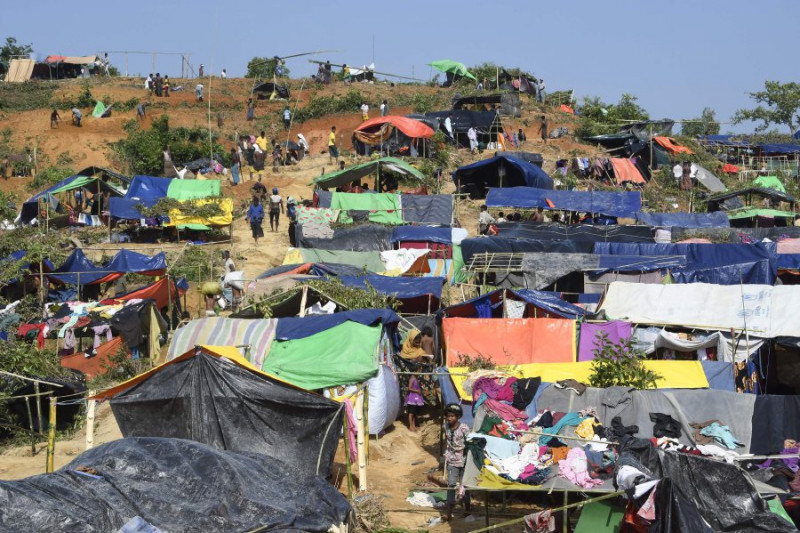
KUTUPALONG (Bangladesh) – Bangladesh today begins vaccinating Rohingya refugees living in congested camps as the impoverished South Asian nation battles a record surge in coronavirus cases, said officials.
Health officials said 2,600 Covid-19 cases and 29 deaths have been recorded in the camps housing some 850,000 Rohingya, but many experts believe this is likely a gross underestimate.
The initial inoculation phase will see around 48,000 refugees aged over 55 getting the Chinese-made Sinopharm shot in the coming three days, local health chief Mahbubur Rahman told AFP.
Officials said they have carried out a “massive vaccination awareness campaign” in the camps, with volunteers going door to door to inform refugees about the importance of getting jabbed.
Shams ud Douza, Bangladesh’s deputy refugee commissioner, told AFP that a vaccination drive will also begin this week for the 18,000 Rohingya controversially relocated to an island in the Bay of Bengal.
Bangladesh has been hit by a major surge in infections in recent months, and much of the country of 169 million people is under lockdown, including the Rohingya camps.
The virus has killed nearly 23,000 people and infected some 1.4 million in the country, most of them in recent months. Some 98% of new infections are from the more transmissible Delta variant first detected in neighbouring India.
“Vaccination of all age groups is the only effective way to stop the virus (from) spreading further among the Rohingya population in the camps,” said Romain Briey, head of medical charity MSF in Bangladesh.
Most of the Rohingya in the nation fled an offensive by security forces in neighbouring Myanmar in 2017, and four years later, there remains little prospect of them returning home.
Hrusikesh Harichandan of the International Federation of Red Cross and Red Crescent Societies said the Rohingya are “living in the shadow of the global vaccine divide”.
“Vaccinations are vital for families to live with dignity because staying home is so tough for people in these cramped camps, and most still have limited access to water and sanitation facilities, escalating risks from Covid-19.” – AFP, August 10, 2021