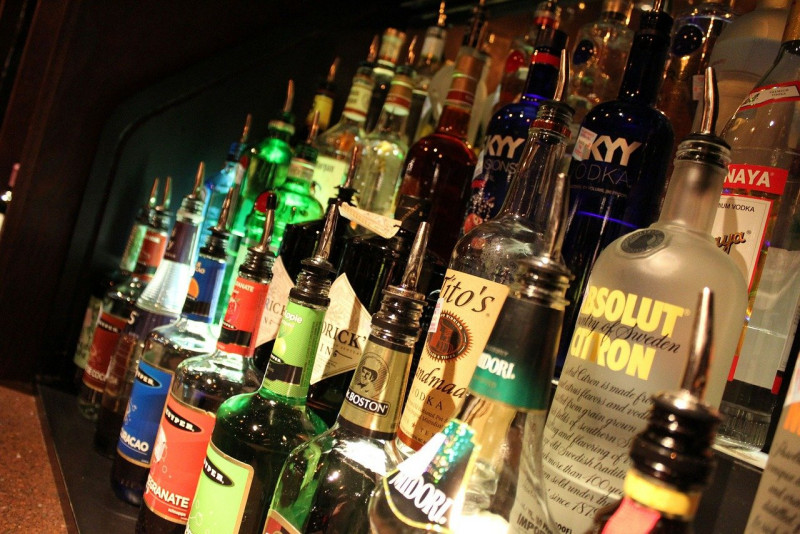
MOSCOW – Authorities in central Russia yesterday said they are offering food in exchange for alcohol, after 34 people died from drinking bootleg liquor containing highly toxic methanol.
The deaths are the latest in the country from the consumption of a cheap alcohol substitute, a persistent problem in a nation where 21 million people live below the poverty line.
In the region of Orenburg, around 1,500km southeast of the capital here in the southern Urals, 67 people were laid low by the consumption of adulterated alcohol in the past week alone.
Thirty-four of them died, according to a statement from local authorities cited by the TASS news agency.
Tests showed that the victims consumed alcohol containing methanol, which, unlike ethanol – the usual form of alcohol found in drinks – is highly toxic and can cause blindness even in very small doses.
In some cases, the concentration in the body was three to five times higher than a lethal dose.
As the amount of toxic alcohol already sold is unknown, authorities in the area are offering residents of the eastern part of Orenburg groceries from local supermarkets in exchange for “alcoholic beverages of dubious quality”, said TASS.
The price of the food items offered will be “several times that of the alcohol”, said the statement.
According to Orenburg police, thousands of bottles of suspect alcohol have been seized from shops and warehouses in the region. Testing showed that many of those bottles contain the deadly methanol.
The Orenburg branch of the Investigative Committee, which probes into major crimes in Russia, said 10 people have been arrested in connection with the deaths for producing adulterated liquor.
The fatalities come less than a year after seven people in Russia’s Far East republic of Yakutia died in November after consuming diluted hand sanitiser.
The largest bootleg alcohol-related tragedy in recent memory was in 2016, when dozens of people died in the Siberian city of Irkutsk after drinking bath essence containing methanol, a toxic substance used in anti-freeze.
After those deaths, a Kremlin spokesman said the tragedy required “very close attention”.
Russian authorities have ramped up the law since the 2016 fatalities, but the sale of bootleg liquor remains commonplace. – AFP, October 11, 2021