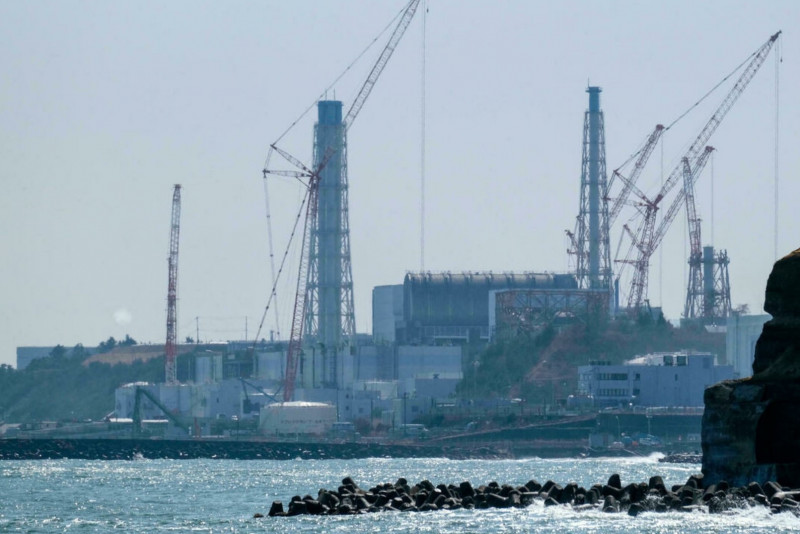
TOKYO – The Japanese government will likely start the controversial discharge of treated wastewater from the tsunami-wrecked Fukushima nuclear plant into the sea starting as soon as August, German Press Agency (dpa) quoted a report.
The International Atomic Energy Agency (IAEA) said yesterday that it approved of the government’s plan to release massive amounts of treated radioactive water into the Pacific Ocean.
With the greenlight from the United Nation’s (UN) nuclear watchdog, the government will now take the next few weeks to try to win over sceptical local communities and neighbouring countries before proceeding with the first discharge next month, the Nikkei newspaper reported today.
Fishermen’s cooperatives in neighbouring prefectures who oppose the plan have said they will petition the government and Tepco, the operator of the crippled Fukushima Daiichi nuclear power plant, this week.
Japan’s scheme has also been met with concern in China, while South Korea says that it intends to maintain the import ban on fishery products from Fukushima as long as safety concerns among the public persist.
IAEA head Rafael Grossi, who is currently in Japan, is expected in Seoul later this week.
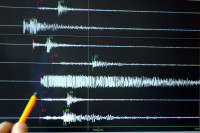
On March 11, 2011, a tsunami triggered by a huge earthquake slammed into the Japanese coast, leading to thousands of deaths and a meltdown at the Fukushima Daiichi nuclear power plant.
Even 12 years on, water is needed to cool the reactors that were destroyed.
But knowing that the storage capacity was finite, plans were made to filter the contaminated water, then dilute and discharge it.
Opposition has been fierce from local fishermen who fear a wary public will not want to consume their catches. They note that the filtration process cannot remove the tritium.
But nuclear experts in Japan and at the UN say there is no danger because the diluted wastewater will only contain a trace amount that is not harmful to humans. – Bernama, July 5, 2023