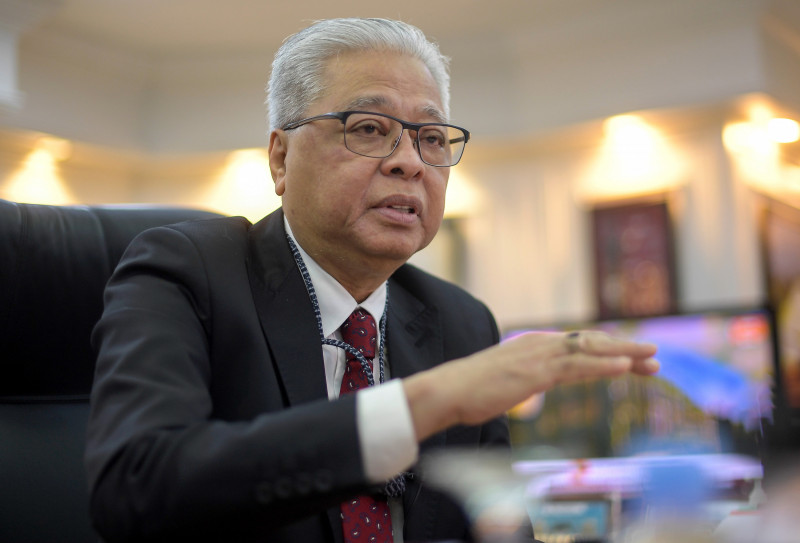
KUALA LUMPUR – The government plans to assist micro, small and medium enterprises (MSMEs) by providing them capital to restart their businesses following the effects of the Covid-19 pandemic.
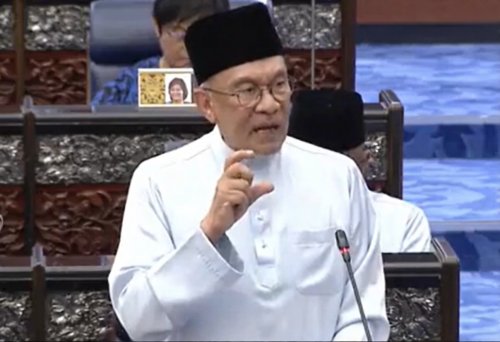
Prime Minister Datuk Seri Ismail Sabri Yaakob said it is currently studying mechanisms, including whether to require no repayment or to offer a moratorium on principal or interest payments.
“I have discussed with the finance minister to look into the matter so that the government can provide them assistance in terms of capital to resume business,” he said in an interview aired on local television last night.
During his discussion with the Finance Ministry (MoF), he said it was noted that the one-off assistance given previously was not enough.
“The one-off assistance of RM3,000 may help micro entrepreneurs in terms of sustaining livelihood but as the economy continues to reopen, many companies, especially micro enterprises, have already folded and hence, the entrepreneurs need capital to start up again,” he said.
He said the MoF is studying the mechanism to ensure that, when assistance is given, entrepreneurs will truly be able to jumpstart their businesses.
On eradicating poverty, Ismail Sabri said the pandemic has increased the poverty rate and the government has made various plans to assist the hardcore poor, including empowering Bumiputera MSMEs so they can contribute 15% to gross domestic product.
The government will provide training, not only in terms of making products that they want to trade but also management, he said.
“We have to hold their hands, as those who are starting their own businesses include the poor. They may have never been involved in business previously.
“We need to provide hands-on support for at least six months so that we can monitor (their progress),” he added.
Towards that objective, Ismail Sabri said a special task force will be formed at the district level to obtain comprehensive data on the aid and support given by the government as well as the outcomes, including how many poor people have been aided.
“(Meanwhile,) at the national level, the cabinet has decided to establish a special task force under the 12th Malaysia Plan (12MP) chaired by the prime minister, and we will hold fortnightly meetings to monitor the plan’s implementation.” – Bernama, October 4, 2021