Business

Iran to cut oil output, prioritise defence in 2022-2023 budget

Draft projects 8% GDP growth, Parliament vote expected by end of 2021

Updated 4 years ago · Published on 13 Dec 2021 7:30AM

Iran to cut oil output, prioritise defence in 2022-2023 budget
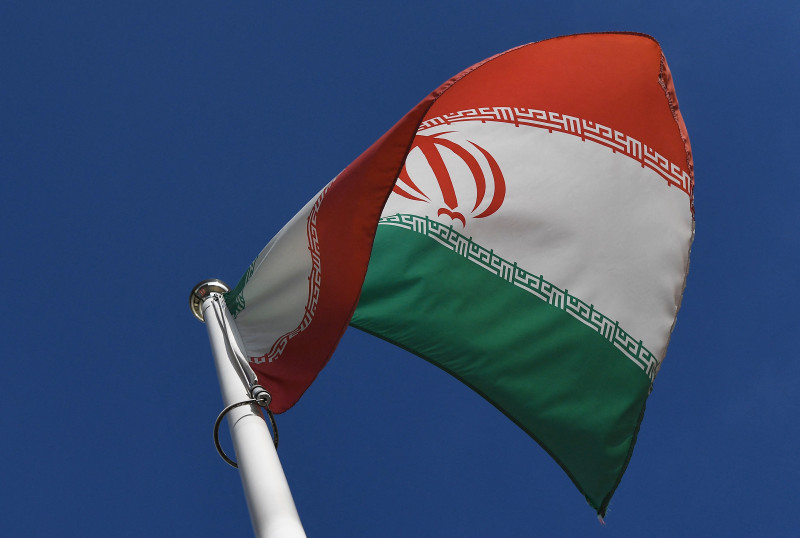
A 2015 nuclear deal between Iran and world powers has been disintegrating since then United States president Donald Trump pulled out three years later. – AFP pic, December 13, 2021

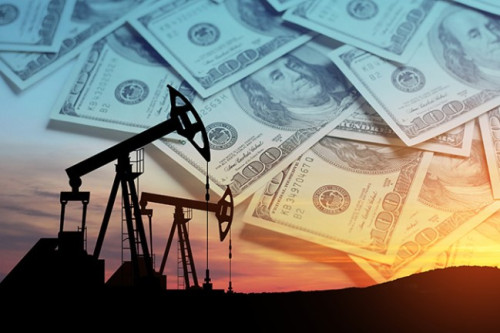
TEHRAN – Iran plans to cut oil output and prioritise defence spending in its 2022-2023 draft budget because of sanctions and United States-Israeli threats linked to its nuclear programme.

Iranian news agencies reported that the draft, presented yesterday, projects a gross domestic product growth of 8%.

President Ebrahim Raisi submitted the draft to Parliament for a vote expected by the end of 2021.

In Iran, the New Year starts on March 21.

Iran plans to produce 1.2 million barrels per day (bpd) at a projected price of US$60 (RM252.75) a barrel. That is down from 2.3 million bpd at a price of US$40 a barrel, leaving revenues of US$26.3 billion against US$33.5 billion in the last budget.

Industry experts said the estimate is too high, given that Iran currently sells around 600,000 bpd.

Oil sales account for a quarter of revenues in the budget, with another 25% from a sharp increase in taxes.

The 2022-2023 budget allocates about US$5 billion to boost “defence capacities and strategic research”, Tasnim news agency said, up from US$4 billion the previous year.

Washington, which has imposed stringent sanctions on Tehran, warned in October of “other options” if diplomacy fails on Iran’s nuclear programme, while Israel has reserved the right to use force.

A 2015 nuclear deal between Iran and world powers has been disintegrating since then US president Donald Trump pulled out three years later.

The accord ensured sanctions relief for Iran in return for tight curbs on its nuclear programme.

Trump also re-introduced sanctions, including on its oil exports, prompting Tehran to start disregarding the deal’s limits on its nuclear activities in 2019.

Trump’s successor Joe Biden has said he wants the US to return to the agreement, but international negotiations in Vienna on reviving the accord have so far failed to make significant progress. – AFP, December 13, 2021
Related News

World / 5d

Iran’s two-pronged strategy: The eradication of US forces in the Gulf and political defeat in Washington

World / 6d

Trump says no planned talks with Iran, Tehran says Strait of Hormuz still shut

Opinion / 1mth

Has the sleeping giant been awakened with a terrible resolve?

Opinion / 1mth

Trump’s strategy in the Strait of Hormuz could lead to his downfall

Opinion / 1mth

US attacks in the Gulf show the weaknesses of MOUs

World / 1mth

Iran’s My Lai: The Minab school bombing and the reckoning that never comes

Spotlight

Malaysia

Tuanku Muhriz urges Malaysians to uphold Rukun Negara, strengthen unity

Malaysia

PM to bring Felda forensic audit proposal to Cabinet

Malaysia

Malaysia tightens Thailand border security after wave of southern attacks

Malaysia

Mohd Amar’s three-year remark puts PAS’ Kelantan record under spotlight

Malaysia

KPF’s Al-Rawda exposure raises fresh questions over RM119.38 million

By Alfian Z.M. Tahir

Trump’s North Korea gamble deepens Asia’s doubts over US alliances

Malaysia

Rayer denies involvement in 'Maha Kali Red Rally', claims name and photo misused

Business

Nation’s economic outlook strengthens as leading index signals continued growth

You may be interested

Business

K8 cargo: Businessman seeks clarification from MOF, Customs, Petronas

Business

Matrix Concepts records RM416.7m in 1Q27 sales as geographic diversification gains traction

Business

Oil prices hold near US$85 as US-Iran tensions keep hormuz risks in focus

Business

Nation’s economic outlook strengthens as leading index signals continued growth

Business

Oil prices pull back after rally as markets brace for tougher Iran sanctions