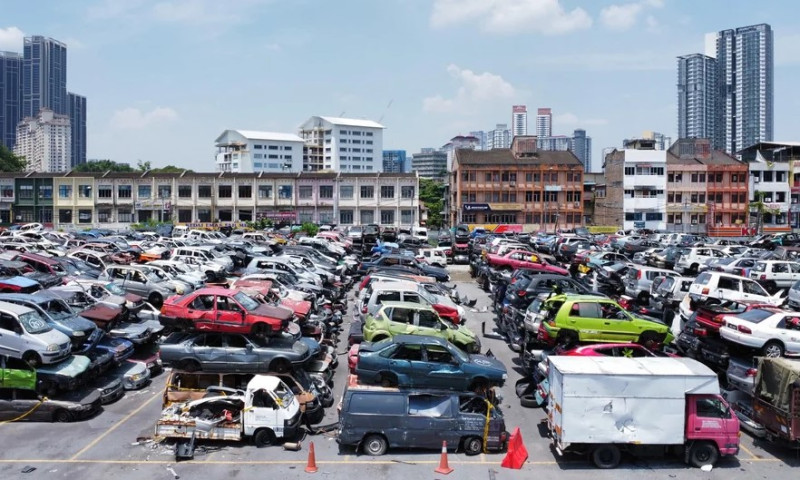
THE presence of more than 4.4 million ageing vehicles still active on Malaysian roads has been described as a “ticking time bomb”, posing significant threats to the environment and public health if not addressed urgently.
A senior lecturer from the Department of Environment, Faculty of Forestry and Environment at Universiti Putra Malaysia, Dr Mohd Yusoff Ishak, said older engines are generally less fuel-efficient, resulting in higher consumption of petrol or diesel and an increased carbon footprint per kilometre travelled.
“Generally, vehicles older than 20 years have the potential to emit up to 40 per cent more pollutants compared to newer vehicles due to the absence of modern emission control technologies found in current models.
“In addition, older technologies are increasingly outdated and, comparatively, contribute to global warming and the deterioration of urban air quality through the emission of greenhouse gases such as carbon monoxide (CO) and nitrogen oxides (NOx),” Harian Metro quoted him saying today.
He explained that in urban areas, a significant proportion of carbon monoxide in the air originates from motor vehicle emissions.
Prolonged exposure to such emissions, he added, increases the risk of respiratory illnesses, including asthma, bronchitis and other lung-related conditions.
“Fine particulate matter (PM2.5), on the other hand, can enter the bloodstream and is believed to potentially cause inflammation of blood vessels as well as risks related to heart function.
“For children, early exposure to traffic-related air pollution has been linked to impaired cognitive development, reduced lung function and an increased risk of allergies,” he said.
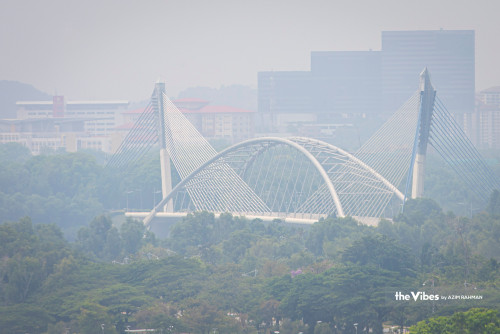
Dr Mohd Yusoff warned that without firm intervention, the increasing number of older vehicles would lead to higher emission levels, further worsening urban air quality in Malaysia.
This, he noted, would in turn raise the incidence of respiratory diseases and place a heavier burden on the national healthcare system, while also jeopardising the country’s climate and sustainability commitments.
He highlighted that recycling end-of-life vehicles could help mitigate environmental impacts by enabling the reuse of components such as metals and plastics, preventing the release of toxic substances into the environment, and reducing the need for raw material extraction.
“Recycling old vehicles helps the environment by preventing the disposal of toxic waste (such as oil and batteries) into the environment, reusing valuable materials like iron and aluminium to reduce the need for mining new raw materials, and lowering the carbon footprint.
“However, it is not a complete solution, as it needs to be combined with reducing the use of high-carbon-emission vehicles and a shift in behaviour towards using public transport for a more meaningful impact,” he said.
He noted that public awareness of proper vehicle recycling processes remains limited, with some vehicle owners reluctant to bear disposal costs.
“However, public acceptance can be improved through enhanced financial incentives (such as higher matching grants or greater tax deductions), along with easily accessible or mobile disposal facilities in each state.
“In addition, continuous awareness campaigns on the health and environmental impacts of older vehicles, combined with stricter enforcement of emission testing by regulatory agencies, can provide additional motivation.
“As in many cases, a reward, not punishment approach is more effective in the Malaysian context,” he said. - March 25, 2026