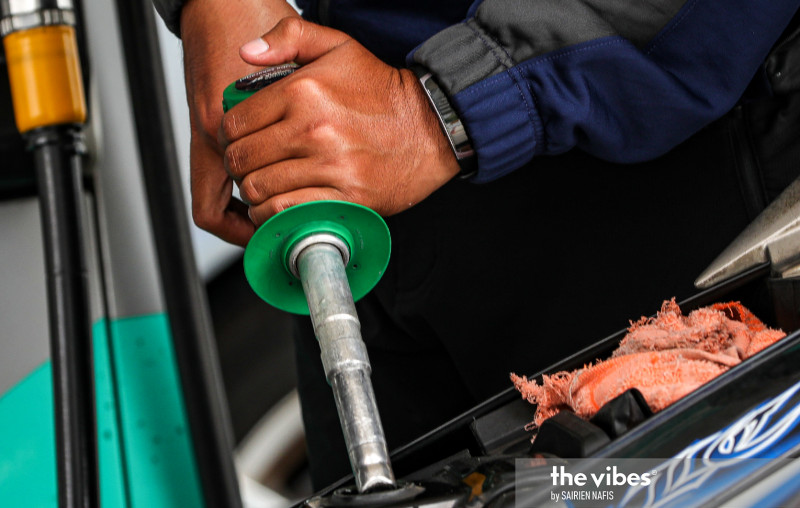
THE MADANI Government’s decision to reduce the monthly quota for subsidised RON95 petrol under the BUDI MADANI (BUDI95) scheme from 300 litres to 200 litres, effective 1 April 2026, is being viewed as a necessary interim measure to contain mounting subsidy pressures driven by elevated global oil prices linked to ongoing conflict in West Asia.
Economists say the move reflects a pragmatic balancing act by the government, aimed at curbing subsidy expenditure without significantly affecting the majority of consumers.
Investment Strategy and National Economist at IPPFA Sdn Bhd Director Mohd Sedek Jantan described the timing as appropriate, though he cautioned that it does not represent a long-term solution to the country’s growing subsidy burden.
He noted that fuel subsidy costs could reach as high as RM24 billion this year, posing an increasingly significant fiscal risk that warrants early intervention.
"Delaying action will only increase costs in the future. Early implementation allows for gradual and controlled adjustments, as opposed to the risk of more drastic measures if postponed," he told Bernama.
From a fiscal perspective, he explained that reducing the quota enables more stable and predictable savings by lowering subsidised consumption across the board, rather than targeting only those who exceed usage thresholds.
"Reducing the quota controls consumption at the margin, but price adjustments are more effective in shaping behavioural change and ensuring fiscal sustainability," he said.
However, he warned that the quota cut could create a sharp price disparity once consumers exceed the limit, with fuel costs jumping from RM1.99 to RM3.87 per litre, potentially distorting consumption patterns.
As an alternative, he proposed maintaining the 300-litre quota while raising the subsidised price to around RM2.30 per litre, with any usage beyond the cap remaining at the market rate of RM3.87.
"This approach provides a more consistent price signal and encourages more prudent fuel consumption," he said.
To mitigate the impact on households, he recommended strengthening targeted assistance such as the Sumbangan Tunai Rahmah (STR), particularly for lower-income groups, alongside a gradual shift from price-based subsidies to income-based support.
"Targeted assistance is more effective in protecting vulnerable groups without distorting market prices, while also supporting efforts to reduce subsidies progressively," he added.
Meanwhile, Nazmi Idrus, Chief Economist at CGS International Securities Malaysia, said the quota adjustment represents a more practical option than a blanket increase in RON95 prices.
He noted that the policy ensures most users—especially lower-income individuals who consume relatively მცირე amounts of fuel—remain shielded from rising costs.
"About 90 per cent of users consume less than 200 litres per month, so the majority are unaffected. In addition, transport sector subsidies through the fleet card system and the Subsidised Diesel Control System (SKDS) remain in place, ensuring continued support for businesses," he said.
Mohd Sedek further observed that cost pressures on consumers remain contained for now due to ongoing subsidies, which help stabilise household spending.
"However, this stability is driven more by policy than market forces, raising questions about sustainability if global uncertainty persists," he said. - March 27, 2026