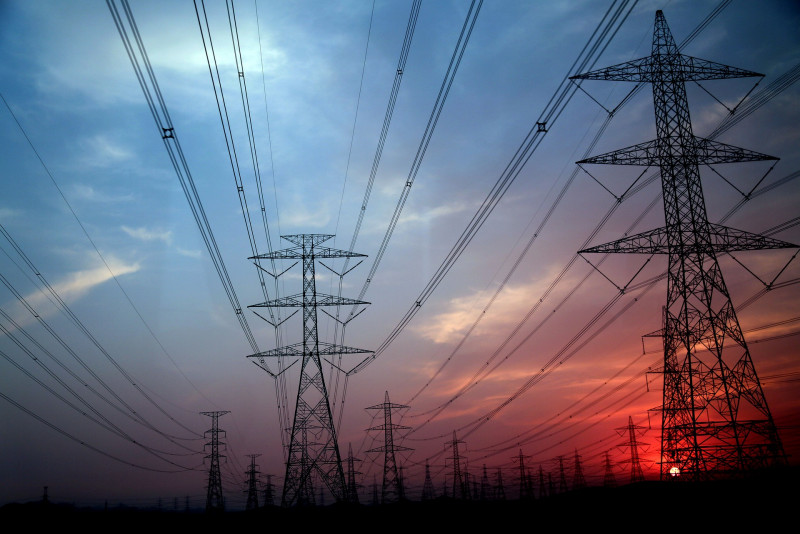
AUTHORITIES warn that the nation is to brace for a near-term surge in electricity demand and rising energy costs as hotter weather conditions and global fuel price pressures converge, raising fresh concerns over household bills and system resilience.
Energy Commission chief executive Siti Safinah Salleh said electricity usage is expected to climb in the coming months as temperatures rise, with increased reliance on cooling systems such as air conditioning placing added strain on consumers.
“The country is moving towards a hotter climate, which means demand will begin to increase, and typically this will happen, we expect it around May,” she said following the presentation of the Energy Commission’s 2026 Annual Regulatory Review held in Putrajaya today.
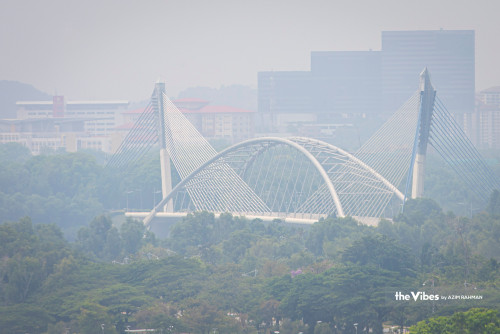
The warning comes as Malaysia experiences drier and warmer conditions at the tail end of the Northeast Monsoon, with the Meteorological Department forecasting that the current heat spell could persist until the onset of the Southwest Monsoon in June.
Reduced rainfall and prolonged dry weather are expected to intensify energy consumption, particularly in northern and inland regions of Peninsular Malaysia.
While rising demand presents immediate cost pressures, the broader concern lies in the interplay between domestic energy use and global fuel markets.
Siti Safinah noted that although approximately 80 per cent of the country’s gas supply for electricity generation is sourced domestically, insulating Malaysia to some extent from external shocks, it remains indirectly exposed to global price movements.
“However, we are still affected because it is linked to the market reference price (MRP),” she said.
She cautioned that escalating fuel costs, driven in part by ongoing geopolitical tensions in West Asia, are likely to filter into the national energy system through the Automatic Fuel Adjustment mechanism.
“The public needs to be prepared for cost increases, even if the rise may not be too high or as severe as in some other countries, there will still be an increase in costs,” she said.
Under the current framework, fuel cost adjustments are implemented monthly if changes remain within a 10 per cent threshold, while larger increases require government approval.
“The cost is still a cost, it must be paid, but how it is passed through depends on government decisions,” she added.
Malaysia’s partial reliance on imported gas, which accounts for less than 20 per cent of supply, continues to expose the country to international price fluctuations, particularly for contracts indexed to oil markets.
At the same time, global shifts towards alternative fuels such as coal, amid constrained gas supplies, are contributing to rising input costs across energy markets.
Against this backdrop, Siti Safinah urged consumers and businesses alike to prioritise energy efficiency as a first line of defence against rising bills.
“All parties need to look at energy efficiency measures and also reduce consumption,” she said.
The convergence of climate-driven demand and geopolitically influenced fuel costs underscores a deeper structural challenge for Malaysia’s energy sector, balancing affordability, sustainability and resilience in an increasingly volatile global environment. - April 1, 2026