THE Government has cautioned that the global energy crisis is entering a more challenging second phase, as disruptions shift from price shocks to supply constraints affecting a wide range of oil-and gas-based products critical to everyday life.
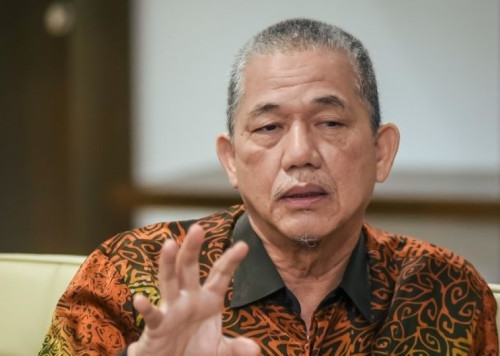
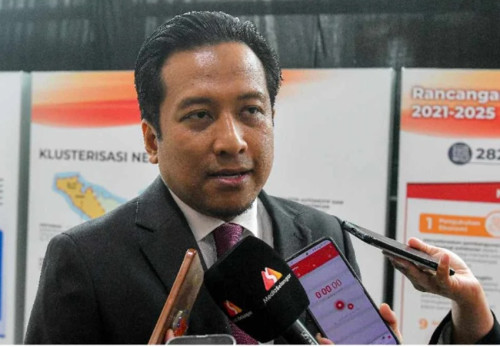
In a weekly briefing on the evolving crisis, Deputy Prime Minister II Datuk Seri Fadillah Yusof said the initial surge in global energy prices had now given way to deeper structural pressures on supply chains, with implications expected to unfold gradually but persist over time.
“Since the past few months, the world has faced the first wave of the global crisis, namely the surge in energy prices which has placed pressure on economies and the cost of living,” he said.
“Now, the world is entering the second wave, which is disruption to the supply of oil- and gas-based goods that support various sectors and daily needs. This is a global reality that is taking place and its impact is expected to be gradual and prolonged,” he added.
He said the second wave is likely to affect a broad spectrum of industries, as oil-and gas-derived materials underpin essential sectors including food packaging, consumer goods, healthcare and logistics.
“When global supply is disrupted, production becomes limited and costs increase. The impact is expected to be felt gradually in the coming period,” he said.
Despite mounting external pressures, he stressed that the government’s priority remains unchanged, with a continued focus on protecting livelihoods and ensuring that daily necessities remain accessible.
A major area of concern identified in the briefing is the global plastics supply chain, which is facing strain due to disruptions in upstream oil and gas production as well as instability along key shipping routes, particularly the Strait of Hormuz.
Fadillah, who also serves as the Minister of Energy Transition and Water Transformation, noted that plastics manufacturing relies heavily on petrochemical feedstocks such as naphtha, ammonia, ethylene and propylene, making it especially vulnerable to fluctuations in hydrocarbon supply.
“Plastics are a fundamental component of daily life, including food packaging, consumer goods and medical equipment,” he said.
He added that Malaysia’s domestic supply of such materials remains sufficient for at least two months, while the government is actively working to secure alternative sources, expand international partnerships and diversify raw material inputs.
The Health Ministry has already obtained additional supplies of naphtha and resin from China to safeguard critical healthcare needs.
“The government will continue to ensure that essential supplies for the people remain secure,” he said.
Proactive Measures
Authorities said proactive measures are already being implemented to manage the situation, centred on maintaining adequate supplies of essential goods, extending the lifespan of available resources through careful distribution, and curbing excessive price increases through strict monitoring and enforcement.
“These strategies are being implemented to ensure the people remain protected while the country adjusts to changing global conditions,” he said.
He cautioned that the unfolding crisis may lead to gradual price adjustments and temporary disruptions in supply for certain goods, as global pressures continue to filter through domestic markets.
“The government will continue to manage these changes carefully so that the impact on the people can be controlled,” he said.
The public has also been urged to play a role by adopting more prudent consumption habits, reducing waste and prioritising essential needs during this period of uncertainty.
“What we are facing is a prolonged and evolving global pressure moving in phases. The government will continue to take necessary steps to protect the people, ensure supply stability and maintain national resilience,” he said.
He added that safeguarding public welfare would remain at the core of all policy decisions as Malaysia navigates the shifting landscape of global economic and energy challenges. - April 24, 2026