ONLINE scam syndicates are becoming increasingly organised, with their operations now taking on the structure of a multinational company, Selangor police said.
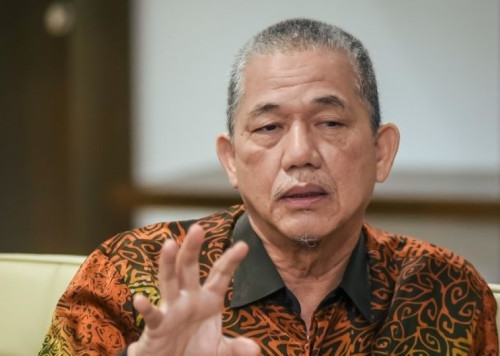
Selangor Commercial Crime Investigation Department deputy chief Assistant Commissioner Izwan Abd Karim said the groups were no longer simply a few individuals working together, but involved different teams handling specific parts of the operation.
These include call centre operators, mule account handlers, technical and cyber teams, as well as those responsible for moving and disguising money obtained from victims.
He said the way the syndicates were run could amount to organised transnational crime, particularly when their operations involved several countries.
“Scam syndicates today can be likened to multinational companies. They have a structured operation, with each person given a specific role,” he said during Media Selangor’s Bicara Semasa programme.
Izwan said call centres could be based either in Malaysia or overseas. Their operators would be given scripts to follow when contacting potential victims.
The syndicates also have people whose job is to source mule accounts. This can involve recruiting account holders or obtaining access to bank accounts which are then used to receive and move the money.
Their technical teams, meanwhile, are responsible for creating fake websites and applications, maintaining the syndicate’s online systems and masking telephone numbers used to contact victims.
Izwan said the money could be moved between several accounts almost as soon as it was received.
Some of the proceeds could also be converted into assets or cryptocurrency, while others were channelled through legitimate businesses in an attempt to hide their origins.
He said the entire process could take only a few minutes.
For this reason, Izwan urged victims to report scams as soon as possible.
A quick report could allow the authorities and banks to take action to freeze the money before it was transferred to another account.
But tracing the syndicates becomes more difficult when their call centres or servers are based outside Malaysia, including in Cambodia, Myanmar, Vietnam and Indonesia.
Izwan said the groups often took advantage of differences in laws and jurisdictions between countries.
The use of mule accounts and cryptocurrency also added to the difficulty of tracing the money and identifying those running the operations.
He said the Royal Malaysia Police was working with enforcement agencies in other countries through information and intelligence sharing.
The cooperation also covers joint action against syndicates and efforts to bring suspected masterminds back to Malaysia, including through extradition. – August 25, 2026
.jpg)