HONG KONG – Border restrictions were being tightened around the world today in the face of an unrelenting coronavirus threat, after a weekend in which anger at social distancing rules bubbled over into fiery clashes in the Netherlands.
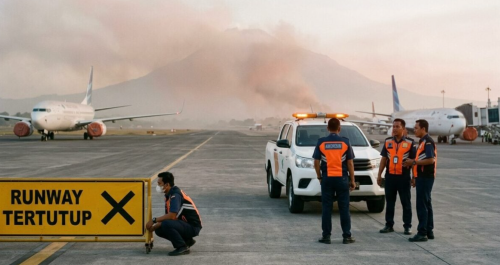
The United States was set to join France, Israel and Sweden in pulling up the drawbridge to certain arrivals, with special concern about new strains of the pathogen that originated in Britain and South Africa.
"When I arrive in a country, the idea is not to contaminate it," Antoine, an 18-year old Belgian, said at Paris’ main international airport after new rules on tests for EU arrivals came into force.
“It's up to us to show that we are civic-minded,” said Spaniard Claudio Barraza.
The stipulations came as Mexico’s President Andres Manuel Lopez Obrador became the latest public figure to test positive for the disease, and New Zealand reported its first community case for more than two months.
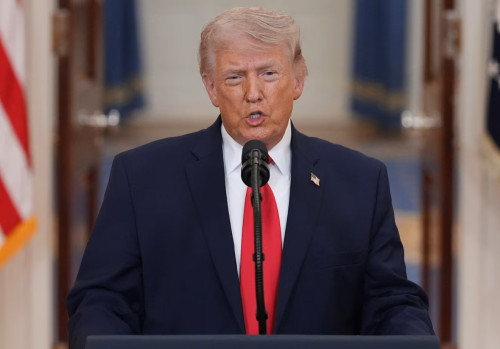
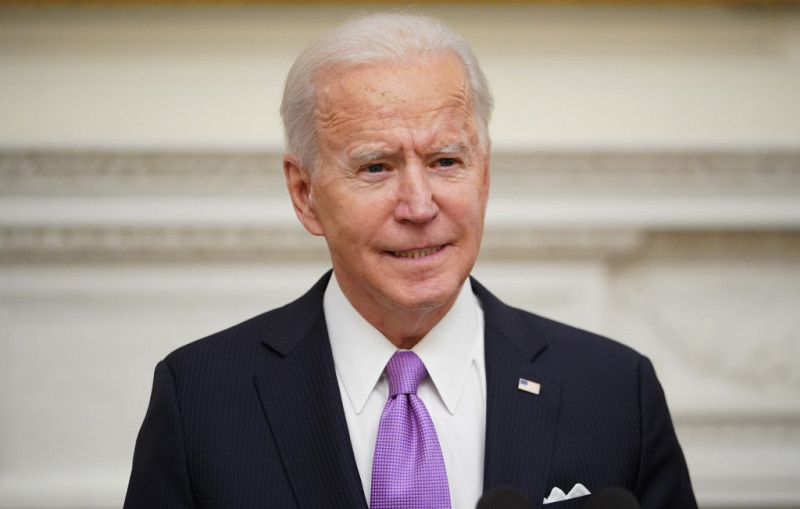
In Washington, President Joe Biden will today reimpose a ban on most non-US citizens who have been in Britain, Brazil, Ireland and much of Europe. It is also adding South Africa to the list, a senior White House official said.
Biden last week tightened mask-wearing rules and ordered quarantine for people flying into the country, which topped 25 million cases yesterday.
Since it emerged in late 2019, Covid-19 has killed more than 2.1 million people, with almost 99 million cases registered, according to an AFP tally from official figures.
Yesterday, France started demanding a negative PCR test for arrivals by sea and air from European Union neighbours.
Sweden said it would prohibit entry from neighbouring Norway for three weeks, after cases of the more infectious British strain were detected in Oslo.
And in Israel, Prime Minister Benjamin Netanyahu said the country was "closing the skies hermetically, except for rare exceptions" to both arrivals and departures for a week.
Fury in the Netherlands
Protests against a coronavirus curfew in the Netherlands degenerated into clashes with police and looting in cities across the country Sunday, a day after a Covid-19 testing centre was set on fire in the northern village of Urk.
Police used water cannons and dogs in Amsterdam, public television NOS reported, after hundreds gathered to protest the 9 pm-4:30 am curfew, set to last until February 10.
At least 30 people were arrested in Eindhoven, where mayor John Jorritsma told reporters that if the country continued “down this path, then I think we are heading for civil war”.
In New Zealand, officials confirmed the first case of Covid-19 in the community for more than two months, in a 56-year-old woman who recently returned from Europe.
Vaccination challenges
Scientists say the only way out of the pandemic is large scale vaccinations, but the roll-out has stuttered in many places.
Egypt began its programme, with a doctor and a nurse getting the Chinese-made Sinopharm jab.
Health Minister Hala Zayed said Cairo had inked deals for vaccine shipments from British, Chinese and Russian firms, for a total of around 100 million doses – enough for about half Egypt’s population.
In India, around one-third of people are not turning up for vaccine appointments, with fear of side effects high after reports of a few cases of severe reactions spread widely through the media and messaging services.
Australia’s medical regulator formally approved the Pfizer vaccine, with the first doses expected to be administered in late February, Prime Minister Scott Morrison said today.
On the long-term economic impacts of the pandemic, anti-poverty group Oxfam said today the emergency was aggravating inequality.
“The 1,000 richest people on the planet recouped their Covid-19 losses within just nine months, but it could take more than a decade for the world’s poorest to recover,” the group said. – AFP, January 25, 2021