LONDON – The new Taliban-appointed head of Afghanistan’s central bank has sought to reassure other banks that the group wants a fully functioning financial system, but has so far provided little detail on how it will supply funds to sustain it, said four bankers familiar with the matter.
Haji Mohammad Idris, the acting central bank governor, met members of the Afghanistan Banks’ Association and other bankers this week, and told them that the Taliban views the sector as imperative, said two bankers who attended the meet.
Uncertainty over the Taliban’s relationship with the international community is raising doubts about its ability to revive an economy shattered by 40 years of war and reliant on aid and foreign currency reserves, the latter largely out of reach in the United States.
The militant group that now controls the country is working to find solutions for liquidity and rising inflation, the bankers quoted Idris as saying.
“They were very charming and asked banks what their concerns were,” said one of the bankers, who requested anonymity.
Under the Taliban’s previous rule between 1996 and 2001, Afghanistan had a little-functioning banking sector, and although a handful of commercial banks retained licences, none was operational and few loans were made.
Idris, a Taliban loyalist who has no formal financial training or higher education, was appointed to head the central bank last week.
He and his team did not tell the bankers how much cash Da Afghanistan Bank (DAB), the central bank, has access to, nor did they give any indication about how the Taliban will approach its relationship with the US, said one of the bankers.
The lender provided liquidity to banks in recent days, said the two bankers, with one adding that DAB paid a portion of the amount that each bank requested.
“They invited banks to send requests they may have via an official letter,” said one banker.
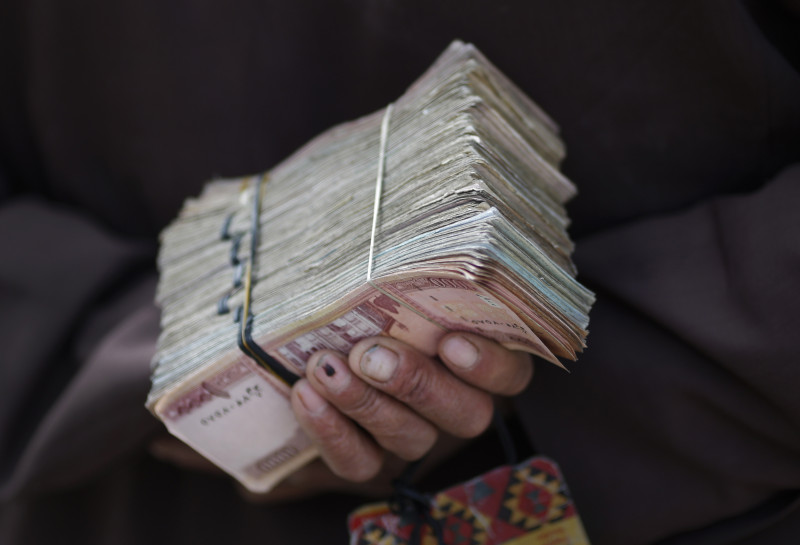
It appears unlikely that the militants will get quick access to most of the roughly US$10 billion (RM41.5 billion) in assets held by DAB, which are mostly outside the country.
“Around 80% of transactions done by banks are in dollars, so it’s very critical the new government should make the relationship with the US,” said one banker.
Another banker who attended the meeting said an initial rush by customers to access bank accounts after the Taliban captured Kabul has eased slightly.
A key priority for the central bank now is to have its international accounts “unblocked” and get access to its reserves, to allow it to keep enough money circulating.
“We are in close contact and negotiations with the central bank,” said the second banker.
Banks have reopened this week but are operating with limited services, including imposing a US$200 weekly limit on withdrawals and allowing few wire transfers amid liquidity worries and correspondent banks cutting ties.
Idris also offered reassurances about banks’ female staff, telling them that the Taliban is not planning to stipulate whether they can employ women or not, said one of the bankers.
Women account for around 20% of employees at some banks, but some have stayed away from offices amid concerns that the movement will repeat the stance of its previous government before 2001, when women were not allowed to work.
As a result of the assurances, some banks are inviting female staff back to the office, said a banker. – Reuters, September 2, 2021