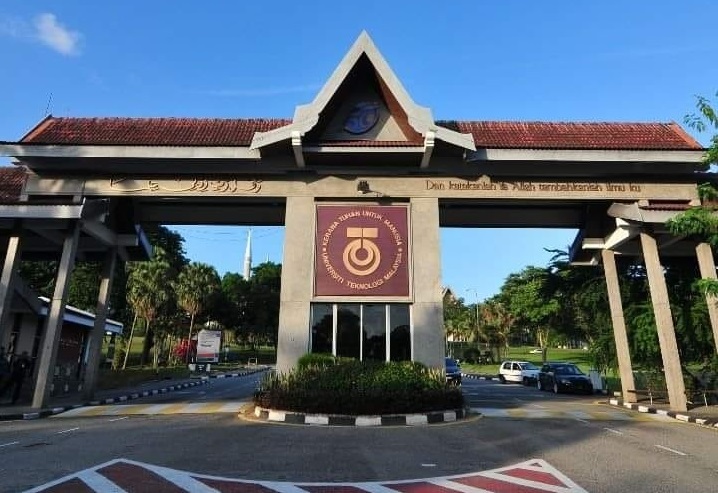

KUALA LUMPUR – Non-governmental organisation Maju Malaysia hosted a talk last night in an effort to expand the discussion on freedom of thought within Malaysia’s higher academic institutions, following Datuk Ramli Ibrahim’s outcry against Universiti Teknologi Malaysia (UTM) Pusat Islam for blocking a learning engagement between him and students via Facebook Live.
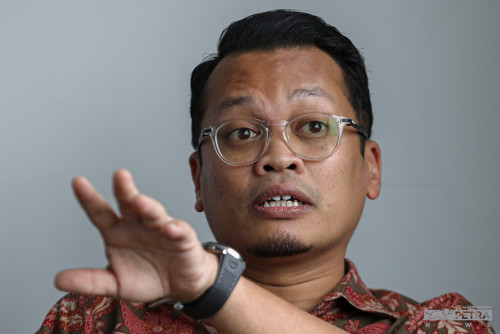
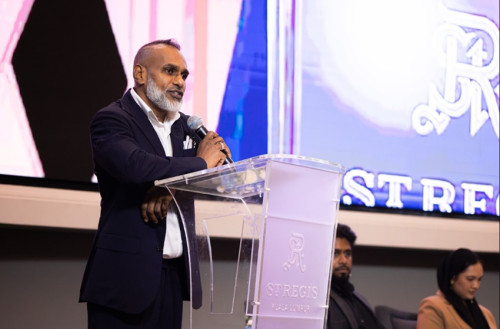
The panel of speakers that joined in included the Indian classical dancer himself, Professor of Islamic Architecture Dr Mohd Tajuddin Rasdi and lawyer-activist Siti Kasim, who helped to facilitate the event.
Death to cultural identity
“There is a Malay cultural genocide that is almost completed in Kelantan – artforms like Mak Yong, Main Puteri and Wayang Kulit are almost dead now.
“It’s only sort of alive within certain institutions but this is what happens when an extremity, a type of religious cleansing, of the Wahabism and Salafism point of view(s) take over,” said Ramli on his thoughts on cultural values.
Stressing his frustrations on sitting by and looking at what is happening to the library of rich Malay culture “... is a tragedy of the first order”.
“The protest and public support that we have witnessed in the last few days against Pusat Islam for cancelling the talk is more than just about the repeal of the activity. It highlights the reality of what is going on within our higher-learning institution,” shared the Sutra Dance Theatre artistic director.
“The decisions made to dictate and block a student-backed initiative that explores inclusion based on ‘sebab-sebab tertentu’ is a move that is insulting to anybody’s intelligence.
“With the current political setting these days, it is not a surprise that a certain ‘thou-shall not’ kind of messaging is widespread.
“Higher-education should be open enough for students to learn about the onslaught of the world because we are not dealing with a mono-cultural environment."
“I truly feel sorry for the students who want to touch on the subject, but were not allowed to,” he added.
In the discussion, Ramli notes the whole argument about ‘not being Melayu enough’ is a pain that feeds the charade of hypocrisy happening across major institutions in the country, not just in the context of education.
“My point that I want to emphasise is on the infiltration and vigilante of the religious decree that is happening.
“As an artist, I am apolitical but I am very aware of what is happening. Eventually there will come a point where I am put into a corner to say something. Something that I did not predict was having to confront the situation sooner than I thought,” he said.
“The way to move forward for me is truly in having the right leadership and political will. However, this cannot be perfected without integrity being emphasised."

Using religion as a tool
Weighing in on the intrinsic discussion, Tajuddin said universities should thrive on being a place for questions, instead of answers.
“Two points that I would just want to bring and and clarify, the current issue we are discussing is not Islam against Hinduism or Islam against Ramli.
“It is about interpretation of Islam and the lack of intellectual thought because it seems that the freedom to imagine is dead,” expressed the professor.
While he notes that there are few politicians that can actually help to change the setting, “... but they are still politicians that are dependent on votes – the numbers that they have”.
“This element of change that we want to instill is really about the individual, which as a result will help to shape a collective."
According to Tajuddin, many individuals that are in support of the decision akin to what Pusat Islam has taken, “... think that their way to heaven is to follow the ulamak, and that is where the lack of intellectual thought happens”.
“They fail to remember that when they die and when they face God, there is no use of pointing fingers and pushing the blame onto others.
“If religious political leaders are so great, then why are they not seen talking about corruption?”
The professor added: “Unfortunately religion has been weaponised and used as a convenient tool”.
Tajuddin’s view on the way forward is re-evaluating the education background and experience of the elected decision makers, especially those who oversee academic grounds.
“Take out all the vice chancellors who have the degree in science because evidently perspectives that are visible seem to be narrowed and microscopic, and put more trust on those who are mastering in arts,” he confronted.
The idea that arts is not cohesive enough is a great misconception that is abused, because it has the potential to cultivate an exemplary multi-disciplinary environment that helps in problem-solving, “... which also encompasses technology”.
“You can’t turn back the clock to the good old days or escape by cutting off the matter just like that because the problem is present,” added Tajuddin.
Follow the discussion more in-depth by watching the video below...
– The Vibes, June 11, 2021