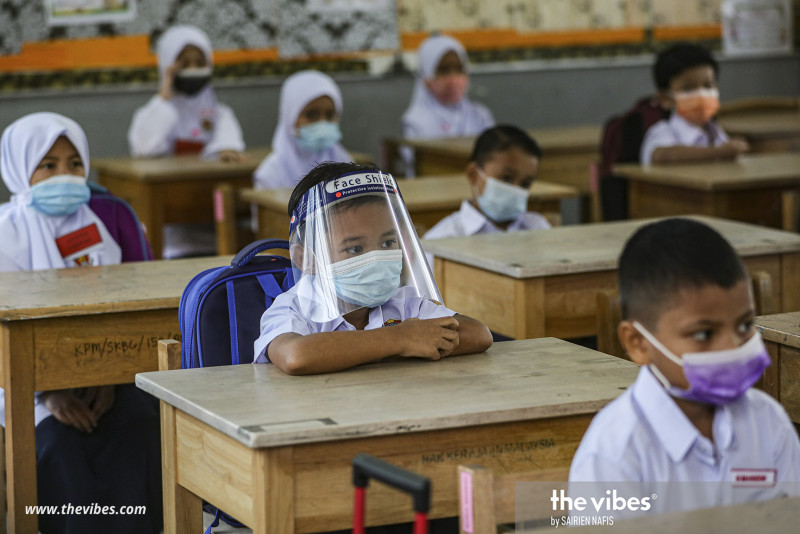
WITH the reopening of schools, children are now able to experience a learning environment that is better suited to their developmental needs. Everyday human interactions will help them reconnect with people and contribute to their socio-emotional development.
That said, as human beings, we often struggle with changes and any changes to a familiar routine will require time for us to acclimatise and adapt to a new routine. Transitioning back to school can be a difficult process for children, especially for those who have never experienced in-person schooling before.
Going back to school means our children will have to go adapt and transition to yet another way of learning. Going back to school does not mean things will be back to how they were before the pandemic.
After two years of learning behind a screen, children will now need to sit in a classroom full of people.
We must consider how difficult it would be for children who have finally gotten used to the concept of online learning to suddenly have this taken away from them. Understanding this can help parents provide the necessary support to help make the transition as easy as possible for their children.
There are many different challenges that children may face as they return to school. Different children will have their own set of challenges and parents need to be able to identify the possible challenges that their child may face.
Some challenges that children might face:
- Adapting to a change in routine
- Fear of meeting and being around people
- Separation anxiety as children have become used to spending most of their time with their parents or caregivers
- Difficulty in connecting with other children and making friends
- Fear and stress on their safety due to the Covid-19 virus
How can you support your child?
1. Allow your children to express their feelings
Children will experience many different emotions surrounding going back to school including anxiety, stress, excitement, and sadness. Give your child the space to express their feelings without any judgement or fear of reprimand. Be open to their feelings as they may say things that can upset or stress you. It is important to be a good listener.
You can start by asking them how they feel about going back to school. Your child might express reluctance about going back to school. A simple step is to help them name the emotions they feel and reassure them that such feelings are okay to have and that there is nothing wrong to feel a certain way.
It is important to acknowledge and normalise difficult feelings.
Remember that different children will have different ways of expressing themselves. This means your child may express their feelings through behaviours such as changes in their sleeping and eating patterns, suddenly being angry at you or picking a fight with their siblings etc.
Stay calm if this happens and connect with your child to understand what is going through their mind and heart. Allow them the space to articulate their feelings and thoughts. The key is to be patient and let your child know that you are there to support them.
2. Prepare your child
Going back to school means a change in the everyday routine that your child has gotten used to since the start of lockdown and going through online learning. As humans, any change that occurs in our lives require time for us to adapt and feel comfortable. This is the same for children.
Discuss with your child what to expect when they go back to school. For example, what are some of the precautions or school guidelines that they need to do that will be different from what school used to be before the pandemic, like practising social distancing, maintaining good hygiene and cleanliness, etc?
Parents can also have conversations with their children about what they can do if something is bothering them or who they can reach out to if they need help. Do a daily check-in with your child and allow your child time and space to re-adapt to in-person school life.
3. Encourage your child to have a new routine
Parents can help their children slowly adapt to in-person school by encouraging them to have a set of new routines that revolve around their school life.
For example, a set time for when they wake up in the morning and when they go to sleep at night, joining after school club meetings/practice, having a homework schedule or project schedule daily or weekly, and even talking about their day at school during dinner.
Having new routines can help provide a structure that your child needs to feel safe and secure. It will also help them feel that life is slowly and surely getting back to ‘normal’.
4. Connect with the school staff
To be able to support the transition that your child will be going through, parents can take advantage of any opportunity to connect with their child’s teachers. Have regular check-ins to receive updates on your child’s wellbeing as well as the changes that are happening in school.
Knowing and understanding the school’s entire policy and guidelines will help you and your child feel more confident and comfortable. It can also help you better understand better your child’s experiences in school and most importantly, help you connect and facilitate your daily check-ins with your child.
5. Encourage your child to connect with friends before returning to school
After two years of being separated from their friends, children may find it difficult to engage in face-to-face interaction with their friends. The friendship and dynamics that they had with their friends before the pandemic may have also changed.
You can support them by listening to their fears and concerns as you encourage them to connect or reconnect with their friends.
Ensure that they know it is okay to take their time to feel comfortable around someone and that everybody will have a different pace. You can also help them connect with their friends by giving them suggestions on the things that they can do with their friends.
You can even encourage them to share the things that they want to do with their friends.
6. Reassure them about their safety
Children may feel scared to go back to school because of the Covid-19 virus that has become a part of their lives. They may feel anxious to be in the same room with a lot of people.
Having a discussion with your children about the safety measures that they can take as well as the safety measures that will be provided by the school can help assuage their fears. Parents can suggest safety measures for their children to follow.
For example, frequent handwashing with soap to prevent germs from spreading, to cough and sneeze into their elbow and, if they feel unwell to approach designated school personnel that can help them.
7. Allow time for adjustment
Whatever the situation or challenges your child may face, always allow them time for adjustment without any pressure and judgement. It is important for children to feel safe and comfortable with the feelings they have and the needs they require.
Be prepared for their emotions and feelings to change. These are part of the journey that your child will go through during this transition period. The key is to acknowledge their feelings and support them unconditionally.
Understanding the challenges that children may face when they return to school can be a scary undertaking for parents. You might be anxious about whether sending your child back to school is the best decision for your child and your family.
Parents naturally want to do all that they can to protect their children and wrap them in a bubble suit. Despite this urge, we also want to be able to have faith in the strength and ability of our children which will nurture their positive growth and development.
Children are resilient. Be assured that they can adjust well to changes as long as they receive full love and support from everybody around them especially their parents. – The Vibes, November 11, 2021
Shaney Cheng is the co-founder of Safety Programme Emboldening Adolescents, Kids, and Society (Speaks)