THE Counter Terrorism Division of the Royal Malaysian Police (PDRM) Special Branch collected initial intelligence on the presence of Al-Qaeda operatives in the country in December 1999, approximately 22 months before the September 11, 2001 attacks on the United States (US).
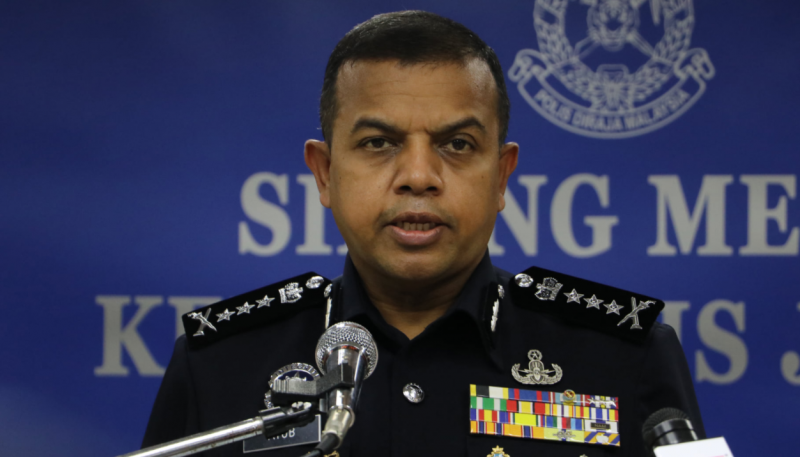
The matter was revealed by Deputy Inspector-General of Police, Tan Sri Ayob Khan Mydin Pitchay, in a post on Facebook yesterday.
He said that the involvement of the Counter Terrorism Division was among the matters that were not publicly known either internationally or in Malaysia.
He said that at that time he was serving under the Assistant Director of the Foreign Intelligence Division (at that time), Datuk Yusof Rahaman.
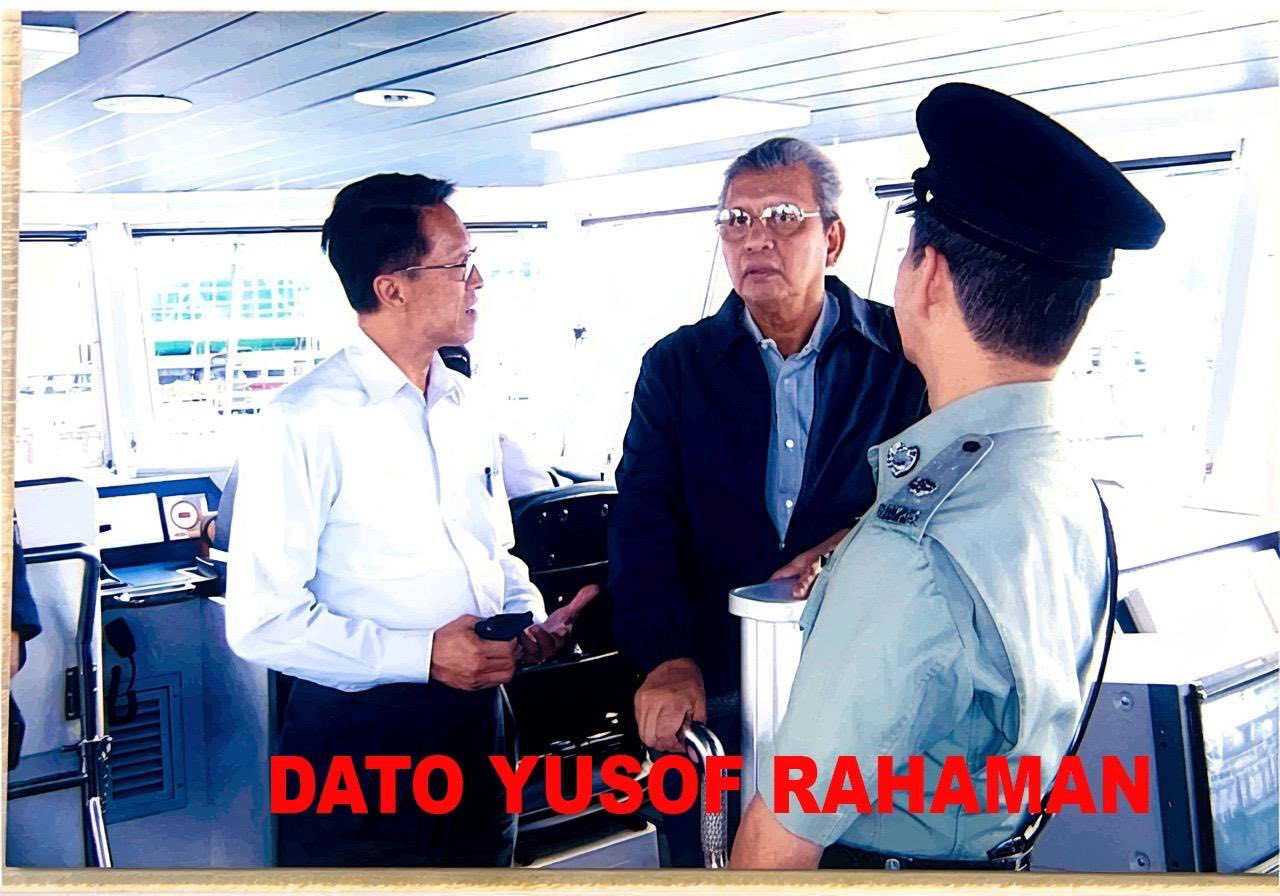
He said that under Yusof's leadership, the Special Branch's performance was at its peak.
He explained that Yusof's experience and thoroughness led to operations against terrorist elements both from within and outside the country, especially between 1994 and 2006.
"In the context of intelligence regarding international terrorist elements obtained from foreign intelligence agencies, Datuk Yusof would examine each one and would give further instructions.
He said that one of the intelligence obtained from the US intelligence agency at the end of December 1999 was regarding the presence of Al-Qaeda (AQ) elements in Kuala Lumpur.
However, the intelligence involved did not reveal the purpose and operational planning in Malaysia.

On January 4, 2000, Ayob Khan said that the US intelligence agency had provided additional, more detailed information regarding the flight, personal details and photos of Khalid Al-Mihdhar (KAM), a senior AQ member who was about to enter Malaysia via KLIA (Kuala Lumpur International Airport).
Following the information, he and other police officers went down to KLIA on the same day to 'monitor' and confirm the presence of KAM.
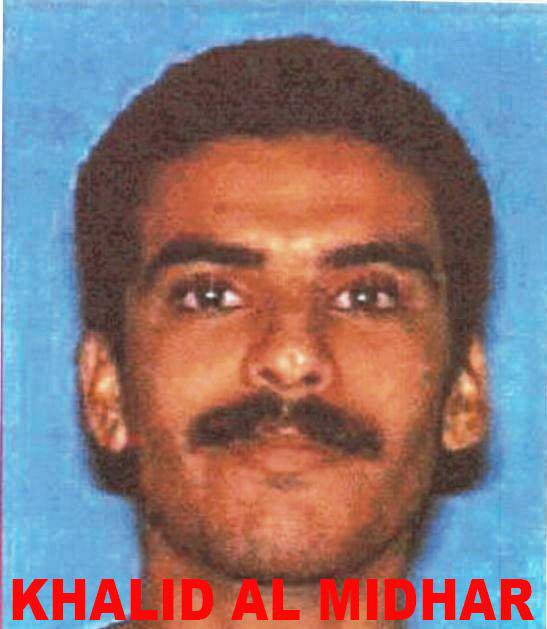
"When KAM was in the baggage carousel area, Inspector Mohd Raby managed to identify KAM based on the photos that were distributed.
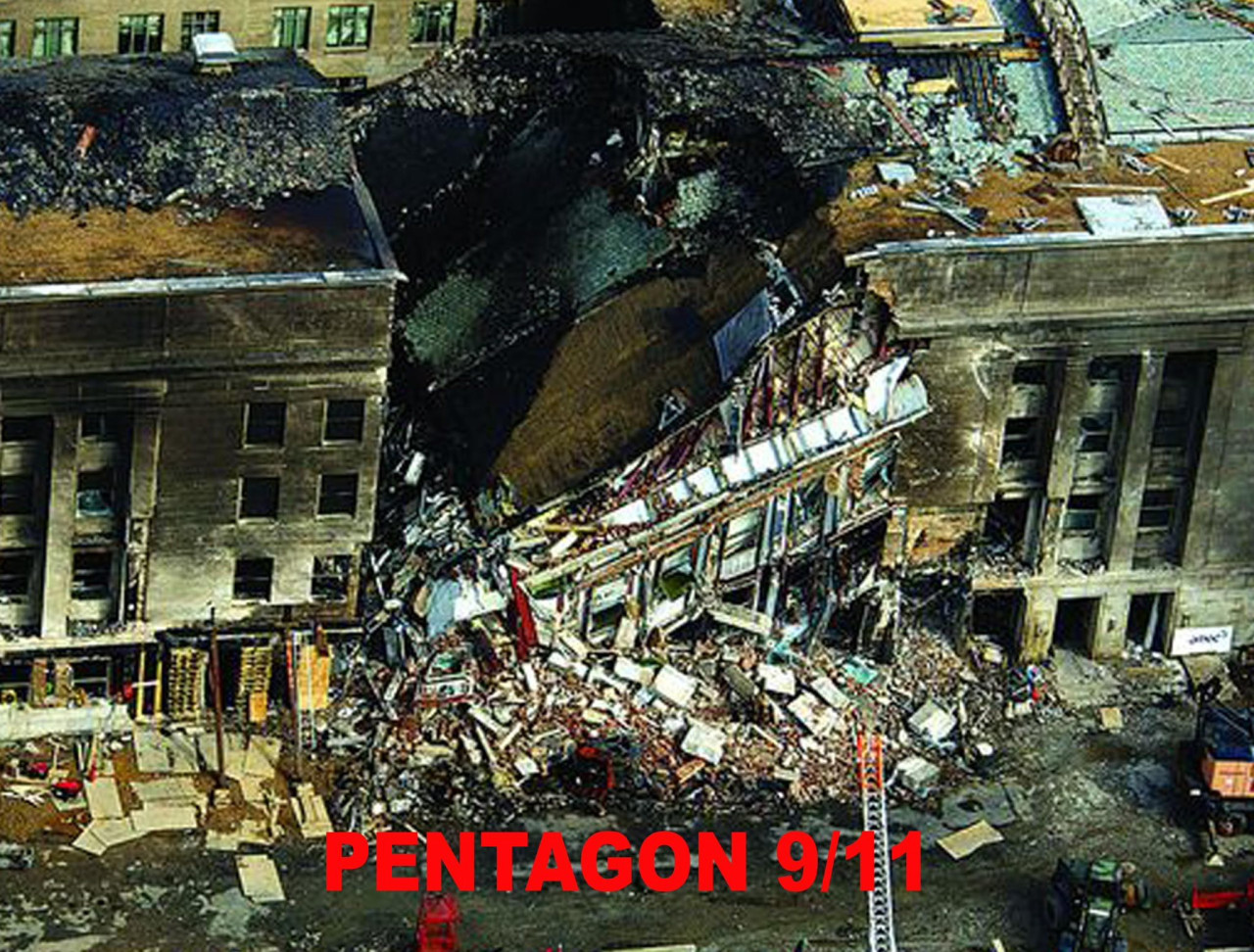
"Inspector Mohd Raby immediately informed me. I did not expect that this was the suspect who later, along with four other Al-Qaeda members, would be involved in hijacking and crashing into the Pentagon on September 11, 2001.
"KAM, who was wearing a black long-sleeved shirt, crossed right in front of me while walking with his bag.
"The three of us continued to follow KAM from a safe distance before informing the 'Surveillance Operation (SO)' team that was waiting outside the arrivals hall," he said.
KAM was greeted by an Arab national who was also a student at a local university who worked part-time with a travel agency.
According to Ayob Khan, they departed from KLIA and then stayed at a budget hotel in the Bukit Bintang area.
He said that the surveillance launched on KAM while they were around Bukit Bintang and Bandar Sungai Long, Kajang succeeded in detecting and identifying other AQ operatives who had entered Malaysia earlier.
They were Nawaf Al-Hazmi, Salah Saed @ Khallad Attash and Ramzi Bin Al-Shibh.

He further said that Khallad Attash was one of the AQ members involved in the attacks on the US Embassies in Tanzania and Kenya on August 7, 1998 and the attempted attack on the USS The Sullivans in Aden, Yemen, on January 3, 2000.
However, the attack failed because the boat carrying the explosives sank.
"On October 12, 2000, after 11 months of his presence in Malaysia, Khallad Attash succeeded in coordinating a suicide attack operation on the USS Cole in Aden, Yemen.
"The four of them were in Malaysia from 4 to 8 January 2000. They were trained operatives because they never used the phones in their hotel rooms or their guesthouses to make phone calls.
"Instead, they used public phones and internet cafes in the Bukit Bintang area. One of the public phones they often used was in front of the Maybank Tower on Jalan Tun Perak, Kuala Lumpur.
"We managed to obtain the 'toll records' of calls made on the public phones involved and shared them with US intelligence.
"The international numbers contacted included several Middle Eastern countries, including those with links to senior AQ operatives," he said.
It is clear that one of the international numbers involved was a Yemeni number belonging to Ahmad Al-Hada, KAM's father-in-law.
The same phone number was previously found to be linked to the Al-Qaeda cell involved in the attacks on the US embassies in Tanzania and Kenya on 7 August 1998.
He added that when KAM, Khallad Attash and Nawaz Al Hazim left for Bangkok on January 9, 2000, all information about their flights, passports and international phone numbers they called via public telephones were shared with US intelligence agencies.
However, he said, the US intelligence agency did not pass on all this information to the Federal Bureau of Investigation (FBI).
He also said that all the weaknesses in the sharing of information between US intelligence agencies and the FBI were clearly stated in the 911 Commission Report.
"There are two books, The Looming Tower by Lawrence Wright and The Black Banners by Ali Soufan (former FBI Agent involved in the investigation into the USS Cole and 911 attacks) which clearly describe the cooperation of the PDRM Special Branch in sharing intelligence on AQ operatives involved in the 911 attacks.
"I, who was then the 'Case Officer' investigating KAM and other AQ operatives in Malaysia, continued to monitor Yazid Sufaat and other members of Jemaah Islamiah (JI) who were found to have links with the AQ members involved.
"A complete report was sent to the Assistant Director of the Foreign Intelligence Division of the Special Branch to continue monitoring the Malaysians involved.
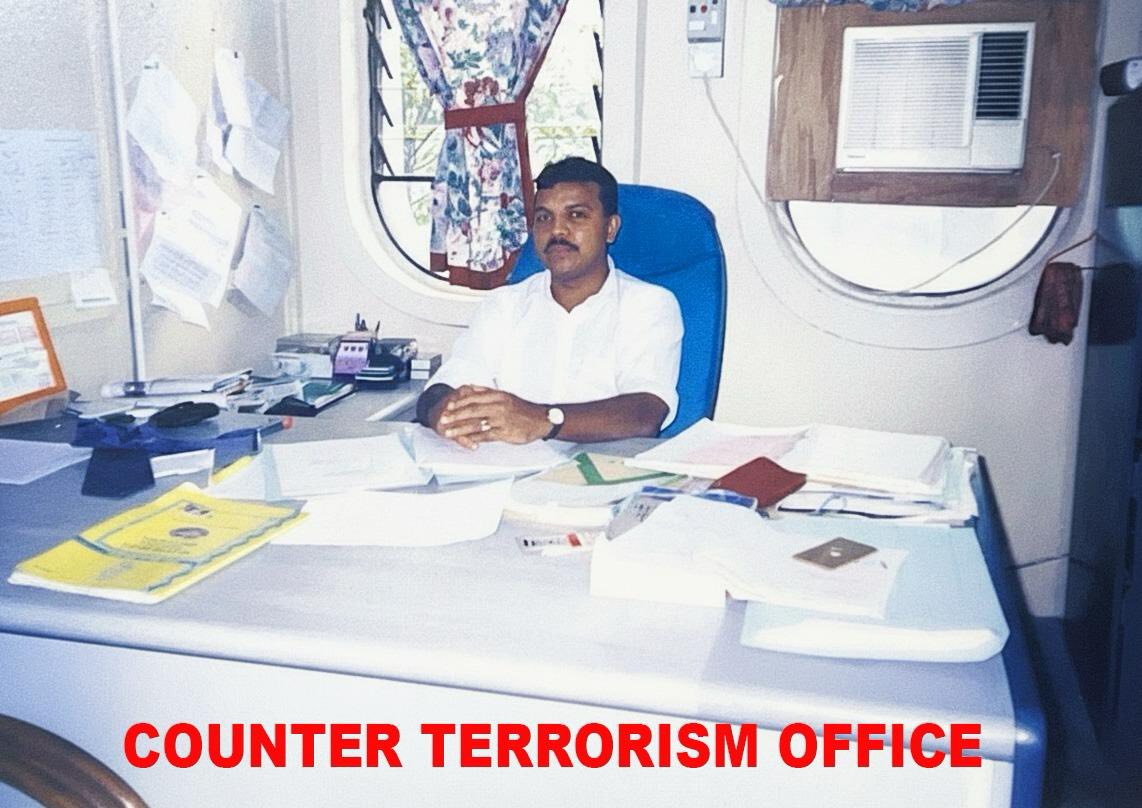
He said that from continuous monitoring, they detected the existence of the JI group and launched a large-scale operation on December 11, 2001.
He added that the Special Branch was the first intelligence agency to successfully dismantle JI group cells operating in Malaysia, Indonesia, Singapore, the Philippines, Australia and Thailand.
According to him, this success also received international recognition.
He said that the success of the Special Branch in dismantling the Al Qaeda and JI networks was not due to the success of the Counter Terrorism Division alone but rather the combination of all other divisions in the Special Branch which mostly served 'behind the scenes'.
"Our great success is also due to being guided by the director, the highest officer of the Special Branch who is experienced, meticulous and committed in carrying out his duties and upholding the trust given," he said. - September 13, 2025
.jpg)