PAKATAN Harapan (PH) has proposed reserving 30 per cent of local authority contracts in Melaka for young people as part of its plan to expand youth participation in the state's economy.
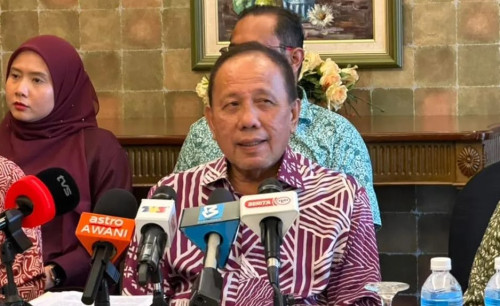
PH Melaka chairman Adly Zahari said the proposal was one of three main priorities under the coalition's “Melaka Rumah Kita” (“Melaka, Our Home”) manifesto for the state election.
He said the manifesto also focused on transforming Melaka into a smart state through digitalisation and artificial intelligence (AI), while setting a target of attracting 25 million tourist arrivals by 2032.
Speaking at the manifesto launch on Tuesday, Adly said greater youth access to local authority contracts would open up economic opportunities for the younger generation.
The Smart Melaka initiative would meanwhile address the growing importance of digital technology and AI, which he said were increasingly essential to economic development, employment and knowledge advancement.
On tourism, Adly said strengthening the industry would create wider economic opportunities for Melaka residents.
“Our focus is on elevating Melaka's tourism industry because we know that empowering the sector will create more economic opportunities for the people,” he said.
The manifesto also outlines 12 additional aspirations developed from issues raised by residents during engagements with local communities.
Among them are affordable housing through home ownership and rental schemes, better-paying jobs, streamlined government services and improved access to financing for small traders and local entrepreneurs.
PH also proposed special grants for women entrepreneurs and additional government childcare centres to support working women.
Other pledges include upgrading public infrastructure and facilities, deploying AI to address traffic congestion, strengthening Islamic institutions and ensuring transparent and accountable governance.
The coalition also aims to turn idle land into economic opportunities for residents and restore the state's land policies.
Its remaining aspiration centres on preserving racial and religious harmony, respecting freedom of religion and ensuring development benefits are distributed fairly and inclusively. - November 4, 2026