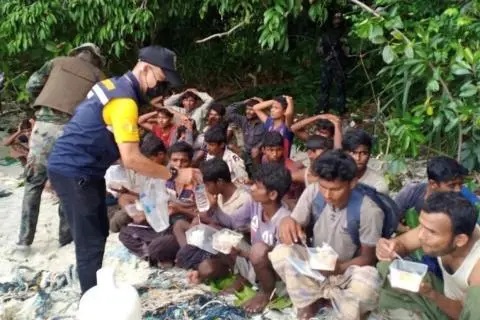

GEORGE TOWN – The Penang Hindu Association (PHA), which is actively coordinating welfare aid on the ground, has urged the government to review its data on poverty as it is certain to have increased due to the Covid-19 pandemic.
Its president P. Murugiah said that some people who depend on income from odd jobs on top of their daytime jobs have been booted out from their homes as they are unable to pay rent.
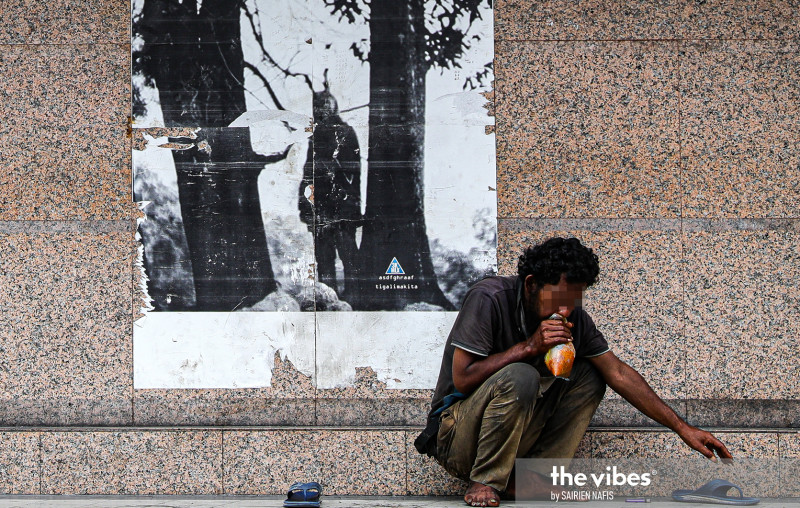
“More people are living hand-to-mouth now. It is most distressing as some babies in these families only have one meal a day, drinking either diluted condensed milk or rock sugar water.
“The problems faced by these urban poor cannot be solved by just giving them foodstuff, there must be a bigger solution,” he said in an interview with The Vibes.
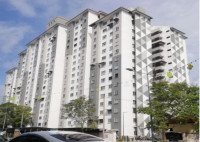
He said housing is a key problem. “There is a shortage of units under the People’s Housing Programme (PPR),” he said.
Penang has a lot of affordable housing, but the hardcore poor cannot buy them, he said.
“Those who do get affordable housing still must get a bank loan and pay for their monthly maintenance fees. So now they have two payments on top of their other payments. What is going to happen if they can’t pay? The unit will be auctioned off.”
Murugiah, who also ran a free charitable clinic for two decades, said that although Penang has many award programmes for the poor, those are only accessible online. Many do not even know about them, he said.
“Only those who are educated and in the middle-income bracket have an Internet connection and hence benefit from it.
Murugiah added that many are facing hardship settling their rentals.
He said those who are very poor and rent just a room are usually not allowed to cook and therefore have to purchase food from outside, which is expensive.
Murugiah explained that urban families fall into poverty and remain in such a state as their earning power does not grow.
They also face health, education and transportation issues. Many children are forced to drop out of school because of these constraints.
He suggested that an aid hotline be set up for the hardcore poor, with on-site visits for deserving cases.
In 2009, the Penang government implemented a financial assistance programme for the hardcore poor, to provide cash assistance to households.
It entailed a top-up of each family’s monthly income to reach RM770 – the margin that defined poverty then.
A Penang Institute case study in 2015 cited “lack of a comprehensive and holistic policy” to address poverty and homelessness as one of the issues that have persisted over the years. – The Vibes, January 24, 2021.