
KUALA LUMPUR – Malaysia has been a multiparty system since the first direct elections of the Federal Legislative Council of Malaya were held in 1955. Since then, elections in Malaysia have proven colourful but largely predictable with the ruling Barisan Nasional (BN) coalition winning 13 of the 14 general elections held.
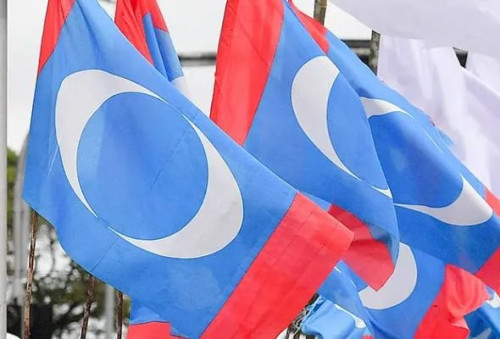
On May 9, 2018, BN lost a general election for the first time to Pakatan Harapan (PH), a loose coalition comprising former foes turned friends led, ironically, by BN’s strongest former prime minister, Tun Dr Mahathir Mohamad.
The tenuous coalition held till February last year, when internal conflicts, personality clashes and failed promises led to the coalition’s crash after individuals from within PH initiated the Sheraton Move, resulting in the veteran politician Tan Sri Muhyiddin Yassin being sworn in as prime minister – a change of administration without a mandate through a general election.
In what has been described as a classic example of political manoeuvring and expediency, the Sheraton Move has been perceived as creating a great degree of instability, revealing the vulnerability of "the system" to political manoeuvrings and interferences.
To some, it remains the main unresolved political problem to date.
It is believed that the majority of the rakyat believe there has been a betrayal of the trust of the people. Would that, however, be enough cause for popular political rebellion? To what point will the people also put up with the culture of party-hopping, or "frogging" – a practice that politicians from all sides consider legally legitimate.
Even as many consider the present government unstable and charge them with abusing power, there have been no instances of political disaffection turning to violence.
Malaysia has come a long way in achieving its independence 64 years ago and, since then, the rakyat have largely lived in harmony. However, if violence should ever erupt, a great portion of the rakyat believe it would be a reality too great for the people to bear.
As of today, fractures and fragmentation in our political parties continues: attempts are made to legitimise wrongdoings. The prospect of such fragmentation resulting in open violence is always there.
Reason for optimism, however, lies in the rakyat who are still able to think prudently and are not easily influenced by emotions to take national matters into their own hands.
In collaboration with Fat Bidin Media, which is on a campaign to counter and prevent violent extremism, this is the last of a six-part series entitled “Are politicians the catalyst for extreme violence in Malaysia?”, featuring selected personalities, politicians, activists and prominent thinkers in Malaysia, that has run every Friday since June 4. – The Vibes, July 9, 2021
Read the previous parts here:
Part 5: Breaking away from race-based parties
Part 4: How men and movements pushed for reform from the streets
Part 3: Rakyat have come a long way in navigating political turbulence
Part 2: Why the things politicians say matter
Part 1: Are politicians’ vindictive, race-based tactics weakening nation’s foundation?
Preview: Are politicians the catalyst for extreme violence in Malaysia?