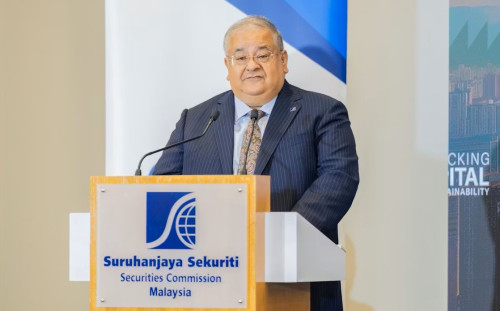
KUALA LUMPUR – Flexible Work Arrangements (FWAs) should not be dictated to businesses but industries themselves should have the freedom to determine their necessity based on the requirements of their business, said the Malaysian Employers’ Federation (MEF).
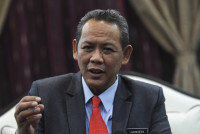
MEF president Datuk Syed Hussain Syed Husman said this is because businesses vary from one industry and sector to another, such as manufacturing, banking, tourism and hotels, retail trade, construction, plantation and many others.
He noted that each of the businesses are different and have unique structures and production needs, with some being locally based, while some are based internationally and governed by rules and regulations.
“Therefore, one must understand this before seeking to change the existing system of work. It should be recognised that not all businesses change and not all processes can change.
“The final decision really depends on the industry and conditions of the particular business,” he said in a statement today.
He said MEF noted that as Malaysia transitioned to the endemic stage from April 1, many organisations have been adopting new working systems.
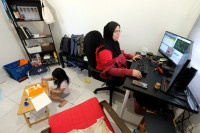
Organisations that could take into account the work from home (WFH) experience during the pandemic will reap benefits in business productivity and sustainability as companies are continuously reimagining new strategies in attracting, retaining and engaging talent, Syed Hussain said.
In a study conducted by the United Nations Development Programme Malaysia and TalentCorp, 92% of employees stated that they would like to have regular WFH arrangements. FWAs, if implemented well, could improve both employees’ quality of life and productivity, he said.
Meanwhile, Syed Hussain said among the challenges in implementing FWAs include a lack of commitment from top management, lack of engagement among employees that may lead to lower productivity and higher attrition rates, as well as the possibility that confidential data or information could be compromised.
Therefore, he hopes that the government would be able to support organisations in adopting and sustaining FWAs by providing clear guidance on the rights and obligations of organisations, for example, guidelines on the request, rejection and appeal process of FWAs.
He also urged flexibility and the relaxation of some regulations that may affect employers’ ability to implement certain types of FWAs, among others.
Recently, Deputy Human Resources Minister Datuk Awang Hashim said employees in the country who want to work on a flexible basis could apply for FWAs with their respective employers under the amendment to the Employment Act 1955, which will come into force on September 1, 2022.
Awang said FWA applications must be made in writing and could cover changes in working hours, working days and also the place of work. – Bernama, June 25, 2022