WHEN questioned about the growing authoritarianism of the government, someone in the cabinet retorted with a rhetorical question: “Have we unleashed any Operasi Lalang?”
What he failed to see in Operation Lalang was the making of a police state. This did not elude Tunku Abdul Rahman in 1987: “Overnight Malaysia has become a police state.”
In a police state, there is usually little or no distinction between the law and the exercise of political power by the executive. It does not mean that the police have taken over the political reins of power. Such a situation is facilitated by the existence of laws that allow detention without trial that we still have today. People in a police state experience restrictions on their freedom of expression, assembly, and association, while a secret police force operates outside the boundaries normally imposed by a constitutional state, which can tell the executive who the “enemies of the state” are.
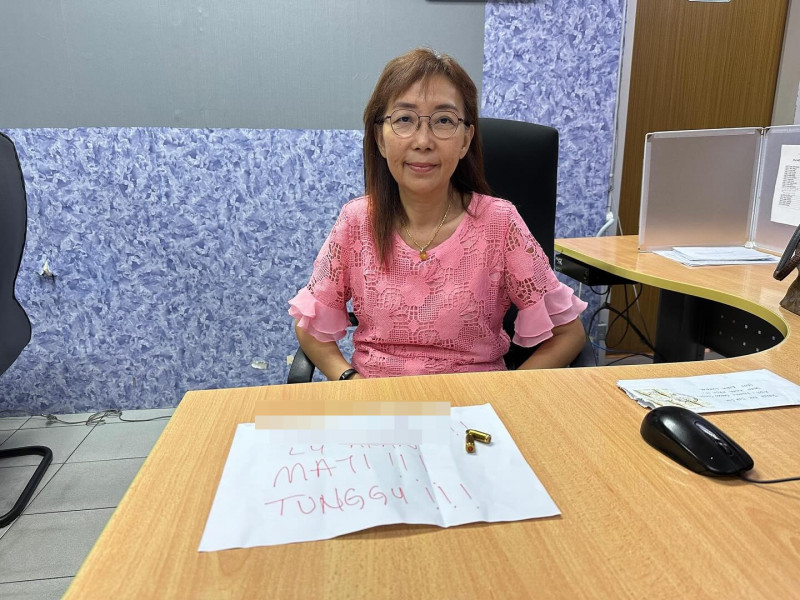
The latest attempt to indict Seputeh MP Teresa Kok over her statements regarding the halal certification is another example of encroachment by a police state using orchestrated communalism. The police only need the flimsiest excuse to start investigations against anyone. They claim that the investigation against her had been initiated following five reports that were lodged against her.
Teresa Kok, who is DAP vice-chairman, had opposed a proposal by the Malaysia Islamic Development Department that would require all food establishments not serving pork or alcohol to obtain halal certification. Just a few days ago, the police quizzed the former Prime Minister Muhyiddin over alleged 3R comments.
So, all it takes for the police to act is any police report made by any frail-minded Malaysian against someone for infringing these so-called “3R” issues? Has the government or the police demonstrated to us which portion of the Federal Constitution makes it a crime to raise these so-called “3R” issues? How are these supposedly problematic issues dealt with in our constitution?
Such “3R” issues remind us of the communalist issues that were fanned in 1987, and which were the prelude to Operation Lalang. It was in this communalist climate that the usual “sensitive issues” were bandied around.
If MPs, including a former prime minister, cannot exercise their right to freedom of expression, is it not pertinent to ask if Malaysia has become a police state? – September 11, 2024.
* Kua Kia Soong, former MP and Suaram director, reads The Vibes.