WASHINGTON – United States lawmakers agreed on pandemic spending powers for the Federal Reserve late yesterday, the Wall Street Journal reported, clearing the way for a vote on a roughly US$900 billion (RM3.6 trillion) Covid-19 relief package for millions of Americans.
The deal will maintain the central bank’s ability to set up emergency lending programmes without congressional approval, the Journal said, but the Fed will require approval to restart similar existing programmes once they expire later this year.
Republicans had sought to limit the Fed’s ability to provide credit for businesses and other institutions, while Democrats argued restricting its powers could compound the fiscal crisis in the world’s largest economy.
The impasse had threatened to temporarily shut down the government – a scenario not unheard of in politically divided Washington, but disastrous given the worsening economy and record daily death tolls from Covid-19.
According to the Journal, Senate minority leader Chuck Schumer said the House and Senate could vote on the deal today.
Lawmakers could “begin closing out the rest of the package to deliver much-needed relief to families, workers and businesses,” a spokesman for Senate majority leader Mitch McConnell told the newspaper.
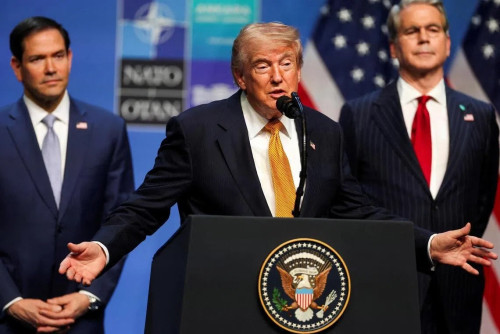
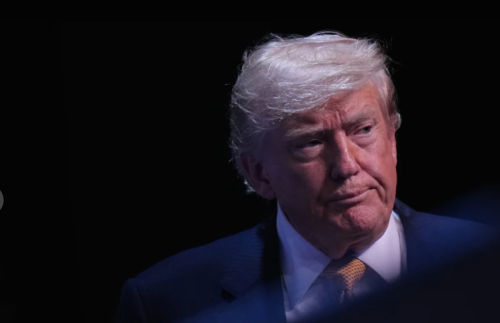
Before the deal was reported, President Donald Trump tweeted: “Why isn’t Congress giving our people a stimulus bill? Get it done, and give them more money in direct payments.”
A bill to aid struggling businesses and the unemployed is seen as critical to getting the US economy back on its feet, even as new vaccines offer hope that an end to the pandemic may be in sight.
The package is expected to include aid for vaccine distribution and logistics, extra jobless benefits of US$300 per week and a new round of US$600 stimulus cheques – half the amount provided in cheques distributed last March.
On the brink of a shutdown, the House of Representatives voted 320 to 60 late Friday to extend funding for federal agencies through today to allow negotiators to thrash out a deal. – AFP, December 20, 2020















.jpg)