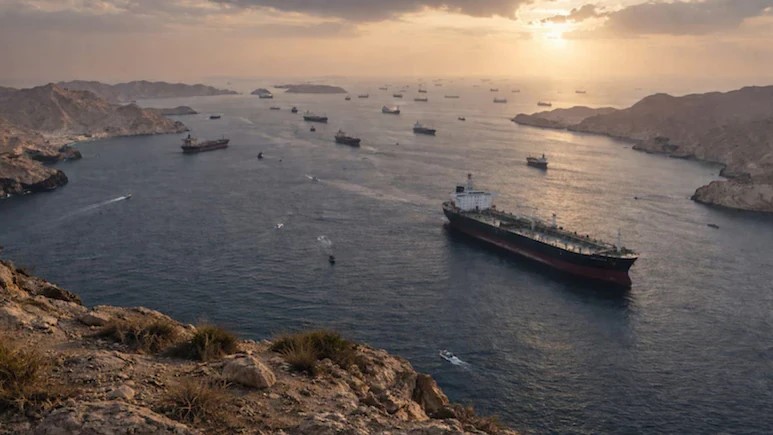
COMMERCIAL shipping through the Strait of Hormuz slowed to a near standstill on Monday after a sharp escalation in tensions between Iran and the United States raised fresh doubts over the durability of a ceasefire.
Vessel tracking data showed that just one ship exited the Gulf while two entered over a 12-hour period, far below the typical daily flow of around 130 vessels.
The disruption followed a weekend in which Iran fired what appeared to be warning shots at passing ships and U.S. forces seized an Iranian cargo vessel.
Reuters reported on Tuesday that among the few vessels still moving through the strait was the oil products tanker Nero, which is under British sanctions linked to Russian activities, according to satellite analysis by SynMax and tracking data from Kpler.
Two other ships, the chemical tanker Starway and the liquefied petroleum gas carrier Axon I, which is under U.S. sanctions for past trading with Iran, were reported entering the Gulf.
Traffic had briefly resumed after Iran declared the strait open on Friday, with more than a dozen tankers passing through.
However, the situation deteriorated rapidly as Tehran vowed retaliation for the U.S. seizure of its vessel and signalled it would not participate in new peace talks, placing the ceasefire in jeopardy.
The renewed instability has reversed earlier relief in energy markets. Charterers had begun preparing tankers to depart the Gulf following Friday’s announcement, which initially pushed oil prices and war risk insurance premiums lower.
Those premiums have since climbed again to around 3 per cent of a vessel’s value, up from 2 per cent, according to shipping and insurance sources.
"Recent weeks have brought several false starts and, although some form of resolution is likely at some point, the timing of any durable breakthrough remains highly uncertain," shipbroker Clarksons said in a note on Monday.
Iran confirmed it had fired at vessels in the strait on Saturday, including a container ship operated by the French company CMA CGM, describing the incident as "warning shots" and stating that the crew were unharmed.
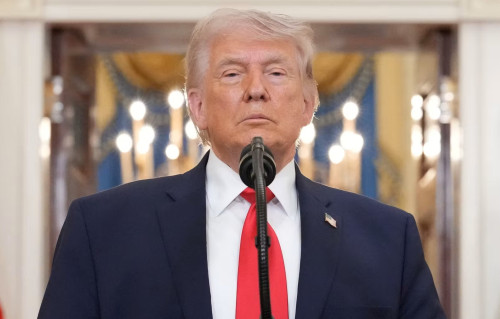
In an effort to temper rising oil prices, the administration of U.S. President Donald Trump renewed a sanctions waiver on Russian oil shipments at sea on Friday, allowing purchases to resume for roughly one month.
This marked a reversal from comments made two days earlier by Treasury Secretary Scott Bessent, who had indicated the waiver would not be extended.
A similar one-month waiver permitting Iran to export crude and refined products expired on Sunday.
Markets remained on edge, with Brent crude rising 3.8 per cent to US$94.75 a barrel and U.S. West Texas Intermediate up 4.0 per cent at US$87.82 by early afternoon trading, amid fears that the ceasefire could collapse and maritime traffic would remain severely constrained.
"All of this is evidence that the United States apparently does not show seriousness in the diplomatic process," Iranian officials say.
India, one of the largest buyers of Russian crude since the 2022 invasion of Ukraine, added three more Russian insurers to the list of firms permitted to provide marine cover for tankers.
The total now stands at 11 companies, none of which belong to the International Group of P&I Clubs, the main global provider of liability insurance for shipping, including coverage for environmental damage and personal injury claims. - April 21, 2026