WASHINGTON – The United States yesterday called jointly with Australia, India and Japan for strengthening democracy in Asia and reversing Myanmar’s coup, as President Joe Biden renews the so-called “Quad” alliance despite objections from China.
In a statement that made no explicit mention of China, the US said Secretary of State Antony Blinken’s conversation with his counterparts focused on Biden’s signature priorities of fighting Covid-19 and climate change.
The four top diplomats also discussed “the urgent need to restore the democratically elected government in Burma, and the priority of strengthening democratic resilience in the broader region,” State Department spokesman Ned Price said, using Myanmar’s former name.
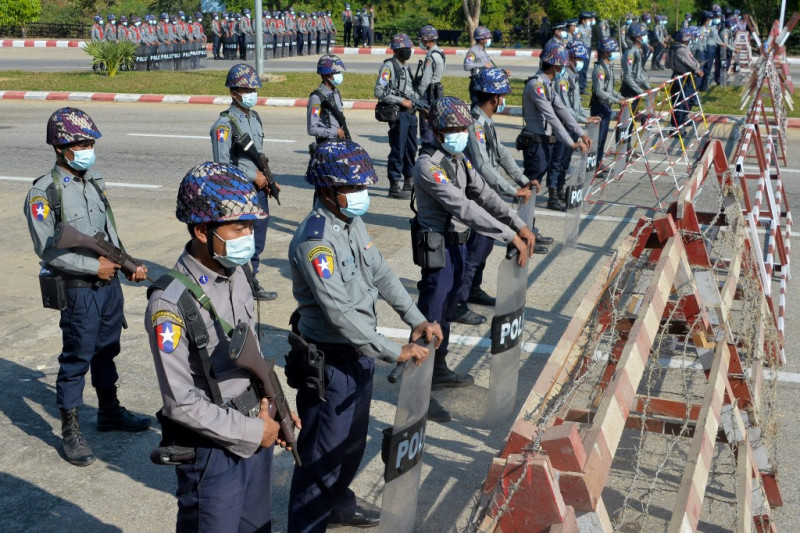
Japan said its foreign minister, Toshimitsu Motegi, “strongly urges Myanmar’s military to immediately stop its violent response to civilians” leading anti-coup protests and release elected leader Aung San Suu Kyi, whom troops deposed on February 1.
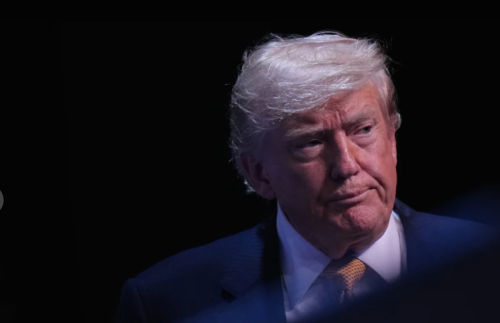
The Biden administration has vowed to put a new focus on alliances after Donald Trump’s turbulent tenure and said its pressure campaign on Myanmar will include close cooperation with Japan and India, which have preserved cordial relations with the country’s generals.
India, which has distanced itself from Western efforts to slap new sanctions on Myanmar, is more cautious in its statement on the Quad talks, saying External Affairs Minister Subrahmanyam Jaishankar emphasises “upholding of rule of law and the democratic transition”.
The Quad ministers agreed to meet at least once a year. They last held talks in Tokyo in October when Blinken’s predecessor Mike Pompeo, in a marked difference of tone, urged an alliance to stop Beijing’s “exploitation, corruption and coercion” in the region.
China warning
China’s state-run Global Times in an article ahead of yesterday’s talks warned that Beijing can retaliate economically if the Quad crosses its “red lines” in Asia.
It quoted an analyst as voicing concern that the US wanted to turn the Quad into a “complete anti-China club”, and said Biden is turning to multilateralism to declare that “Captain America is back”.
Launched in 2007, the Quad was an idea of Japan’s then prime minister Shinzo Abe, a hawk who was eager to find partners to balance a rising China.
While Australia and India had initially been cautious about antagonising China, the Quad format has expanded in recent years as both nations’ relationships deteriorate with Beijing, with the four nations holding joint naval exercises in November off India’s shores.
Chinese state media has put pressure on India, saying that it has the cards to stop the Quad and warning against riding the US “anti-China chariot”.
India has historically insisted on non-alignment in its foreign policy but tensions have soared since last year, when a pitched battle in the Himalayas left at least 20 Indian troops dead and an unknown number of Chinese casualties.
Raising speculation on the Quad’s future, India did not use the term in its statement on Prime Minister Narendra Modi’s first call with Biden since his inauguration, speaking more generally of the importance of “working with like-minded countries”.
India called for a “free, open and inclusive Indo-Pacific”, adding an additional nuance to the White House’s description of only “a free and open Indo-Pacific” built in part through the Quad. – AFP, February 19, 2021