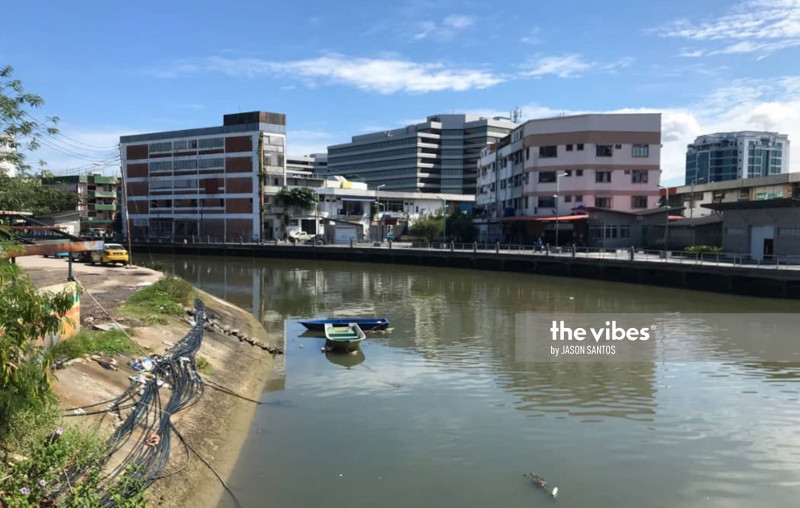

KOTA KINABALU – Two traditional coastal fishing villages in Sabah – Kg Sembulan and Tg Aru – are facing a problem caused by migrants from southern Philippines over the last 50 years.
Crime rates, along with regular gang fights and drug addiction, have soared so much so that a Sembulan Lama resident lamented that the kampung’s heritage and “adat” (customs) are being disrupted, and the close-knit families that the villages are known for split.
“They (migrants) have run down the villages, and our areas have become safehouses for criminals,” said Shari Jefry, a 50-year-old villager.
“They have been living alongside villagers of Sembulan and Tg Aru for so long that locals, especially the younger generation, have moved out from their kampung out of fear.
“Now, we are forced to live alongside ruthless migrants.”
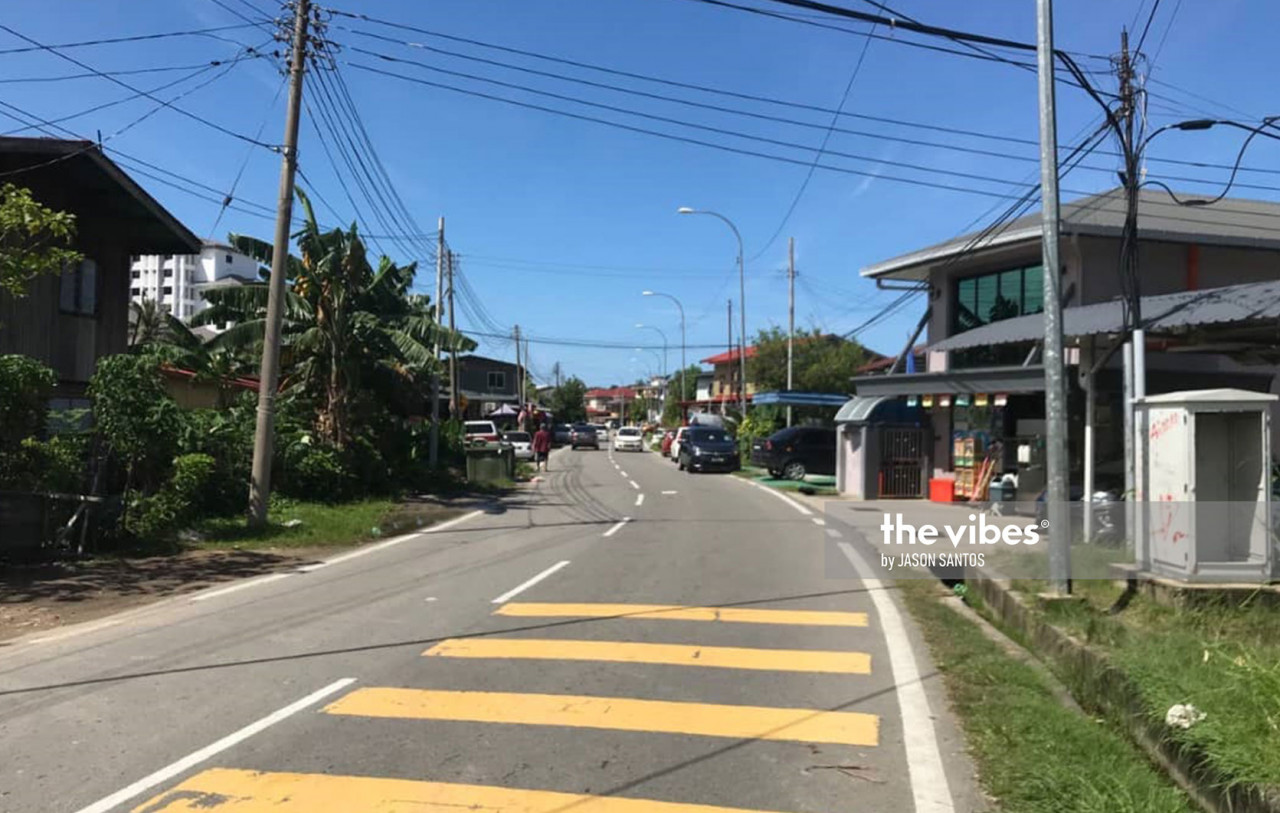
Integration and inter-marriages have produced stateless children in Sabah, resulting in an additional problem. Government estimates show that the number of these children may have increased four-fold over the decades.
“The majority of Sabahans have found it hard to distinguish between locals and migrants now,” Shari said.
How did these problems originate in Sabah?
An inquiry held in 1985 under the pretext of the “Urban Renewal Scheme“ for both Kg Sembulan and Tg Aru revealed elements of a “political directive in relation” to migration in the two sub-districts.
Some Sembulan folk alleged that village chiefs were forced by the then government to accept non-locals there, adding that the move was politically motivated.
Many Sabahans described this “agenda”, which turns the migrants into vote banks for political powers at that time, as Project IC – a covert citizenship-for-votes programme to either assist or topple the government.
Project IC is mentioned in the 2013 Royal Commission of Inquiry on undocumented migrants in Sabah, which had revealed the population boom within the period.
Sources said these migrants are largely holders of IMM13 – the social visit pass issued to Filipinos who enter Sabah without official documents from 1972 to 1984.
The inquiry had revealed that those holding the pass numbered up to 136,065 people.
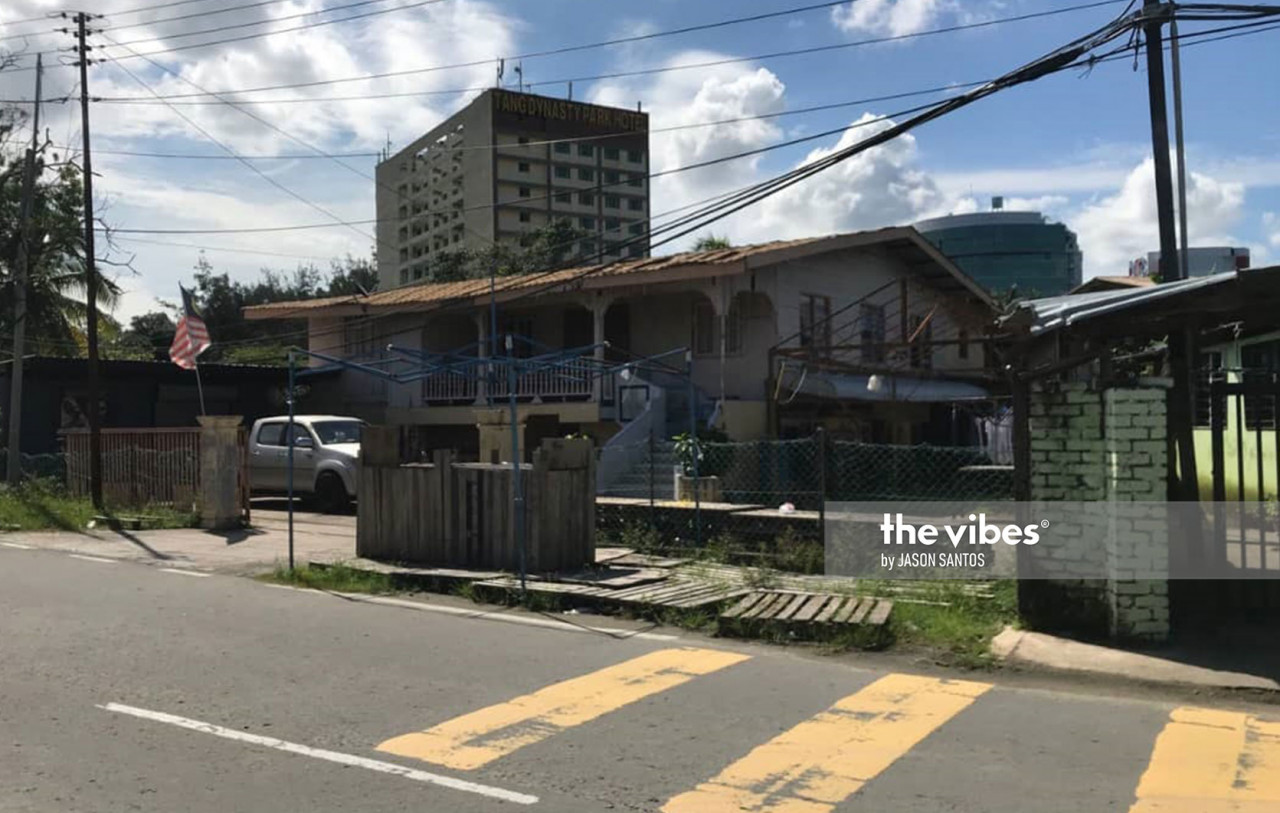
The arrival of migrants, comprising refugees from southern Philippines who had fled civil unrest, into the two villages near the vicinity of Kota Kinabalu started between the mid-80s and early 90s.
In Sabah, they were initially allowed to settle on Gaya Island and were supposed to be repatriated home once peace was attained in their region. But this was never implemented.
Historically, the first arrival of foreigners from outside of Sembulan came with the development of Jesselton township after World War II.
It saw the British colonial government introducing a resettlement scheme, transforming Kg Air and Karamunsing into Sembulan Tengah, Sembulan Baru and Sempelang.
The original population of Sembulan was 3,000 people, who were mostly relatives, but the rise in migration to the area saw its population spike by 1,000%.
The population of the villages has increased more than five-fold over the span of five years between 1988 to 1992 from just slightly over 50 houses originally.
The original residents were given land titles dating back to the British era. – The Vibes, December 16, 2020.