CONSUMERS are advised to stock up on food and necessities for at least 72 hours as a preparatory measure against potential supply disruptions caused by global geopolitical instability or natural disasters.
Dr T. Saravanan, Chief Executive Officer of the Federation of Malaysian Consumers Associations (FOMCA), stated that such proactive preparation does not imply that consumers should engage in panic buying or hoard excessive quantities of goods, which could negatively impact market supply.
Instead, he suggested that consumers make purchases gradually, in accordance with their financial means and their families' needs.
"Consumers must distinguish between preparing for an emergency and panic buying. Keeping a modest supply of food, drinking water, and essential items—sufficient for at least 72 hours—is a reasonable precautionary measure.
"These preparations are not solely due to geopolitical conflicts; they are also essential in the event of floods, power outages, transportation issues, or supply chain disruptions," he told Berita Harian.
Media reports yesterday indicated that the government has provided assurances that the supply chain for essential goods within the country remains stable and uninterrupted, despite global geopolitical uncertainties and the threats posed by the monsoon season.
The Minister of Domestic Trade and Cost of Living, Datuk Armizan Mohd Ali, reportedly stated that comprehensive preparatory measures have been implemented through the coordination of various agencies under the National Economic Action Council (MTEN).
Commenting on the types of items that should be stocked, Saravanan suggested that consumers prepare basic supplies such as drinking water, rice, biscuits, canned food, instant meals, infant formula (if needed), and essential medicines.
Additionally, he encouraged consumers to keep flashlights, batteries, power banks, and first-aid kits on hand to manage potential power or water supply disruptions.
"Consumers do not need to stockpile supplies for months; rather, they should ensure that the items kept are appropriate for their family's needs, easy to prepare, and do not place an undue financial burden on them," he said.
He noted that while Malaysia has domestic food production and sources imports from various countries, the nation remains dependent on imports for certain food categories and raw materials.
He added that prolonged international conflicts risk driving up the costs of transportation, fuel, fertilisers, animal feed, and logistics—factors that ultimately impact the food prices borne by consumers.
"A more concerning issue is the people's ability to afford food. While market supplies may remain sufficient, continuous price increases would place greater financial strain on the B40 and M40 income groups.
"Therefore, the government must continue to strengthen local food production, diversify import sources, and ensure that food distribution systems remain fully functional," he said.
Meanwhile, he urged the government to provide regular updates on the status of food supplies, price stability, and the effectiveness of distribution systems, in order to reassure consumers that the supply of essential goods remains secure.
He noted that having sufficient food supplies at the national level does not necessarily guarantee that every household can easily access them during an emergency.
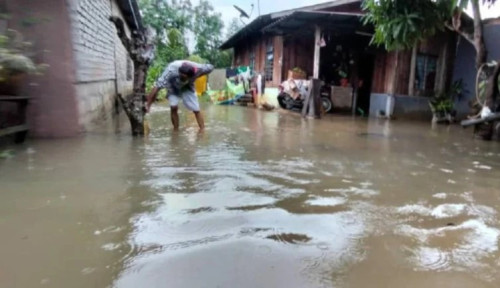
"During major floods, for instance, roads may become impassable, shops may be unable to operate, and food deliveries could be disrupted—even if the nation’s overall food stocks remain adequate.
"Transparency is crucial to prevent speculation, rumors, and panic buying. At the same time, enforcement against profiteering, the hoarding of goods, and unreasonable price hikes must be further strengthened," he added.
Furthermore, he suggested that the government consider providing basic emergency kits to vulnerable groups, particularly those living in areas prone to floods or other disasters.
"Government-led food security efforts and household-level preparedness must go hand in hand to safeguard the well-being of consumers.
"Crucially, emergency preparedness does not imply an expectation that something bad will happen; rather, it ensures that families are better equipped to handle any unforeseen disruptions," he added. – November 6, 2026