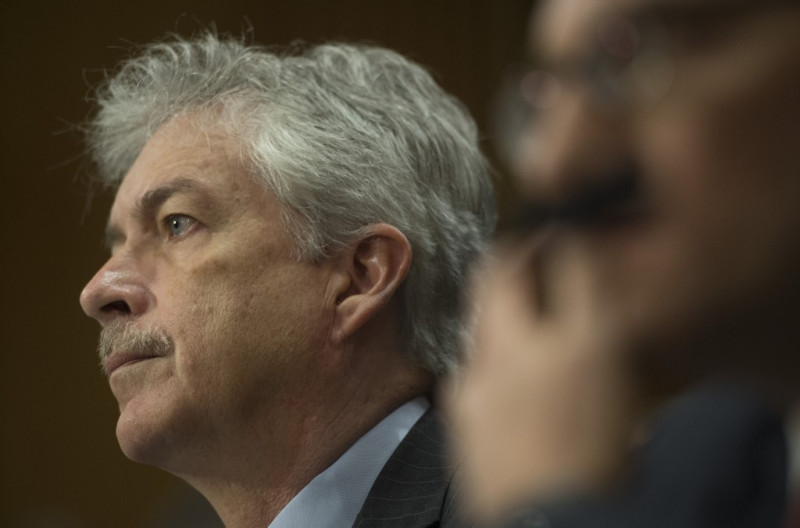
WASHINGTON – United States President-elect Joe Biden today announced William Burns as his pick to lead the Central Intelligence Agency, tapping a retired veteran diplomat who helped lead secret talks with Iran.
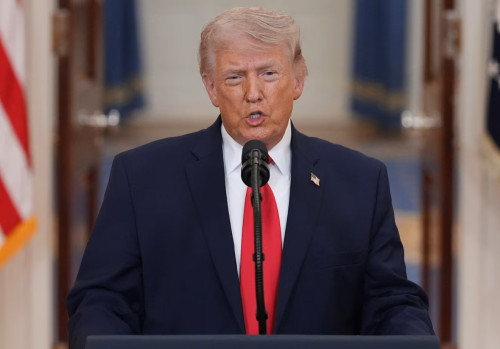
Burns, along with Biden's nominee for director of national intelligence, Avril Haines, will be tasked with rebuilding the US spy community’s reputation after it was heavily politicised under outgoing President Donald Trump.
Currently president of the Carnegie Endowment for International Peace, a leading Washington foreign policy think-tank, Burns will be the first career diplomat to lead the CIA.
Presidents have generally turned to intelligence or military veterans or politicians to lead the largest, best-funded component of the sprawling US intelligence community.
But Burns has deep experience in security and intelligence matters after spending over three decades in the US foreign service, including a stint as ambassador to Russia from 2005-2008.
“Bill Burns is an exemplary diplomat with decades of experience on the world stage keeping our people and our country safe and secure,” Biden said in a statement.
Politicised intelligence
Burns will replace Gina Haspel, an agency veteran who became the first female CIA director after Trump moved Mike Pompeo to be secretary of state.
One of Trump's most trusted aides, politically ambitious Pompeo was accused of catering to his boss’ whims and allowing intelligence material to be twisted to serve Trump’s policy desires while he led the agency.
Haspel, in the position since 2018, has been more low-key and disciplined, intelligence experts say, and even openly fell out of favor with the president in his final months in office when Trump rejected intelligence that Russia was again meddling in the election to help him.
But Haspel’s long tenure in the agency included taking part in the torture of Al-Qaeda suspects after the September 1, 2001 attacks, now clearly illegal activity that is one of the darker blemishes on the CIA’s reputation – though Trump thought it was a good thing.
Broadly respected and having served in top positions under both Democratic and Republican administrations, Burns and Haines should have little trouble gaining approval by the Senate.
Burns, 64, served in the US diplomatic corps for 33 years, in jobs that took him around the world, including important roles in the Middle East in addition to his Russia posting.
He was central in the back-channel negotiations by the previous administration of Barack Obama that set the stage for the 2015 deal to limit Iran’s nuclear capabilities – a deal that Trump summarily quit in 2018, with the support of Pompeo but not everyone in US intelligence circles.
At Carnegie since 2014, Burns defended the idea that Washington should remain a leader and support multilateralism as Trump radically reshaped the US world role, cancelling treaties, bullying allies, and taking a US-first, go-it-alone stance.
“If Donald Trump had been reelected for a second four years as president, the American democracy would have gone straight into the intensive care unit,” Burns said in an online conference last month.
After “erratic” and “unsteady”" policies under Trump, Biden will have “the most difficult inheritance that any new president has faced since Franklin Delano Roosevelt at the height of the Great Depression 90 years ago,” he said.
“Recovering the power of America’s example of our competence after the experience of the last few years is going to be a critical driver of our foreign policy.”
The biggest geopolitical test for the United States going ahead, he said, is “going to be managing an intense, long-term competition with China.” – AFP, January 11, 2021