By Murray Hunter
THE latest US-Iran deal, signed on Wednesday, looks less like peace and more like a pause before the next crisis.
The news, which pushed oil prices down by 4 per cent, appeared at first glance like a triumph of diplomacy.
The US and Iran have agreed to end the latest phase of their confrontation and reopen the Strait of Hormuz.
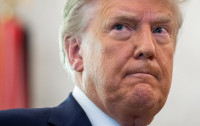
President Donald Trump, never one to miss a dramatic flourish, immediately declared on Truth Social: “Ships of the World, start your engines. Let the oil flow!”
However, looking beyond, the market reaction can see that the barrels of black gold still have to pass through a minefield.
The MOU signed alone by Trump in Versailles, France, is symbolic of how one-sided the whole episode was.
In reality, Iran actually holds most of the cards and controls the escalation process.
Controlling the Strait of Hormuz remains the key leverage point — a chokepoint Iran demonstrated it could close and, for now, reopen on its own terms.
Yes, this is the most significant diplomatic breakthrough since joint US and Israeli strikes on Iran in February triggered a conflict that killed thousands and shook global energy markets.
Yes, the Strait of Hormuz, blocked by Iran for months, is expected to reopen on Friday. But this agreement is not a final peace deal.
On the nuclear issue, evidence suggests Iran may already possess a nuclear weapon.
Even if it does not, the punishment inflicted by Israel and the US has given Tehran extremely high motivation to develop one rapidly.
The central problem of Iran’s nuclear program has merely been deferred for 60 days of “further negotiations.”
Tehran has already accumulated more than 400kg of uranium, close to weapons-grade.
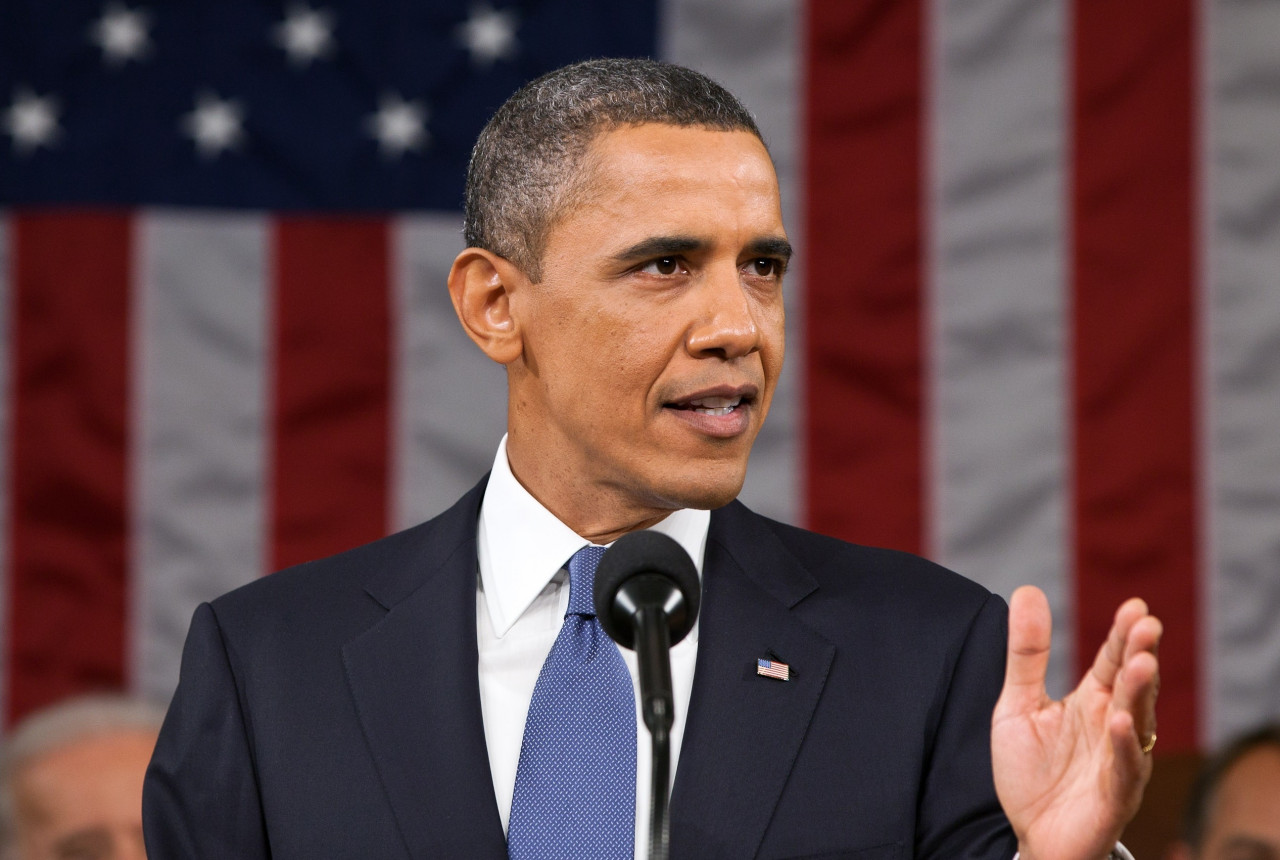
Trump, having abandoned the 2015 nuclear deal negotiated under Barack Obama, is now being forced back to the table under significantly worse conditions.
Finally, the bigger strategic picture raises serious questions.
Trump’s credibility has been badly damaged; he has been symbolically destroyed by Iran.
The US military has been exposed as less overwhelmingly powerful than long portrayed.
With the agreement comes the removal of US forces, creating a power vacuum that Russia and a new regional geopolitical alignment are poised to fill. Israel now stands even more isolated.
That creates an obvious political trap because Republican hawks in the US Congress have already warned that any nuclear agreement will have to be put before Congress.
Trump therefore, risks either being accused of weakness or seeing the whole arrangement collapse before November’s mid-term elections.
The calm in Hormuz could prove dangerously brief. – June 18, 2026