THE Malaysian Anti-Corruption Commission (MACC) is looking into concerns over alleged commingling or blending of petroleum cargo before determining follow-up action, according to a source familiar with the matter.
The source said the MACC is aware of the issue, and discussions are ongoing before any official statement is issued.
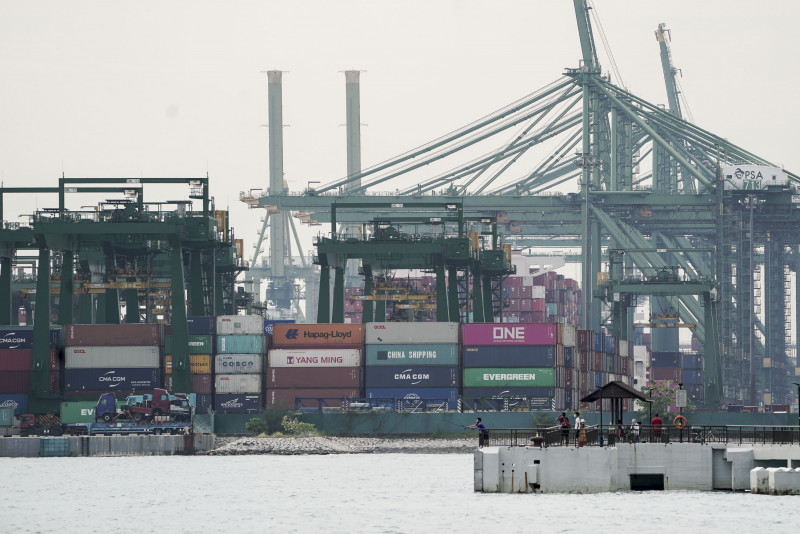
The matter comes as Malaysia faces renewed scrutiny over its role as a regional manufacturing and transhipment hub.
On Aug 14, the White House Office of Trade and Manufacturing Policy named Malaysia among more than 40 countries it said were at risk of facilitating tariff evasion through China-linked transhipment networks.
Its report, The Great Transhipment Scam: Rise, Scope, and Costs, placed Malaysia in Tier 2 alongside Brazil, Indonesia, Thailand, Turkey and Vietnam.
It cited Malaysia’s deep-water ports, manufacturing hubs and free trade zones as potential conduits for rerouting Chinese goods to evade US tariffs, and highlighted the Penang-Kulim industrial corridor and Port Klang Free Zone.
Earlier, in a letter dated Aug 18, maritime industry observer Datuk Seri Jeyenderan Ramasamy had asked the anti-graft agency for an update on a report lodged in June.

Jeyenderan, who is also chief executive officer of Maritime Network Sdn Bhd, had said around two months had passed since the report was lodged on June 5 without a formal written response on its status or which authority was handling the matter.
In his letter to MACC, Jeyenderan said his company had provided documents and information to the relevant authorities, attended meetings and responded to requests for clarification.
He said the company wanted a clear position on how the affected petroleum cargo operations should be handled, including what could proceed, what needed to be suspended and which agency was responsible for making those decisions.
Jeyenderan also said the matter went beyond a commercial dispute, as it could affect the integrity and traceability of petroleum cargo, regulatory compliance, government revenue and accountability within the supply chain.
He had also asked whether a decision had been made that there was no case, whether the matter had been closed and, if so, the basis for the decision.
Jeyenderan said the company was not seeking confidential information about any investigation, but wanted clarity on the status of the report and the way forward. - August 22, 2026