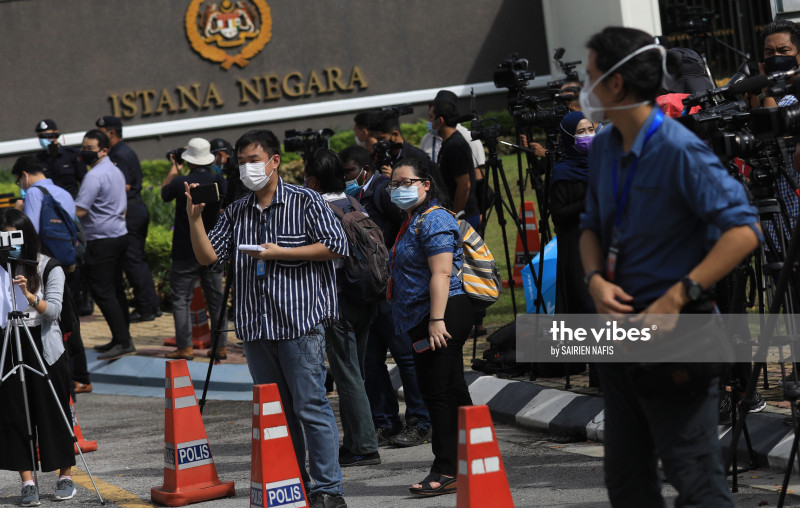

KUALA LUMPUR – Media advocacy groups and sympathetic NGOs are calling on the authorities, particularly the police, to stop using harassment tactics on journalists over articles critical towards the men in blue.
In a joint statement today, the Centre for Independent Journalism (CIJ), Gerakan Media Merdeka (Geramm) and National Union of Journalists (NUJ) voiced concern over recent actions by the police against members of the media.
“It is a worrying pattern to see journalists being summoned by the police for their reporting.
“This year alone, we saw at least five incidents where journalists were questioned and investigated. It is alarming that the same media outlet is being targeted and this year alone, Malaysiakini has been summoned at least twice.
“The press should not be subjected to being summoned by the government or threatened with action based on articles they publish in their capacity as the media,” read the statement.
The groups cited a few incidents, including one involving two Malaysiakini journalists who were summoned by the police to give statements on three articles involving the death of A. Ganapathy, who died while seeking treatment at hospital after his arrest in February this year.
Similarly, on May 10, Malaysiakini’s Bahasa Malaysia desk editor and broadcast journalist were also summoned by the police for questioning in relation to an article on former inspector-general of police Tan Sri Abdul Hamid Bador’s allegations during a press conference.
They also pointed out that a controversial report delivered by an Astro Awani newsreader also saw action being taken.
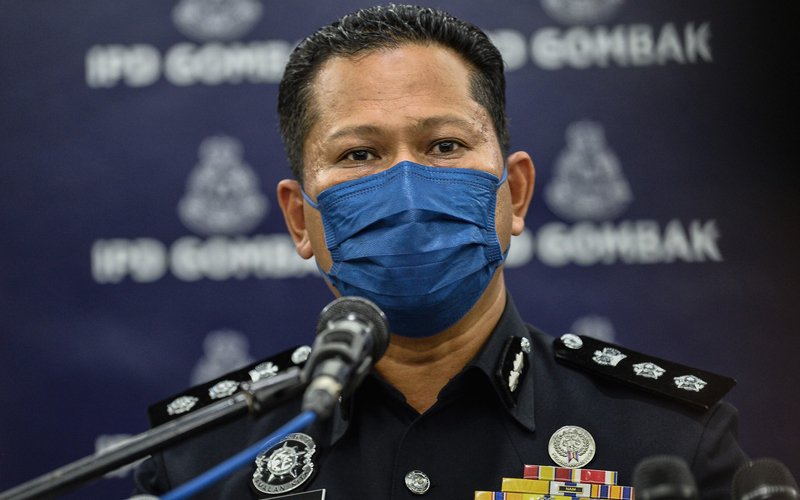
Another case involving Free Malaysia Today saw outgoing Gombak police chief Arifai Tarawe threatening to sue the portal over two news articles to the tune of RM10 million.
They also called out the investigation against China Press and Malaysiakini over a report that then deputy IGP (now IGP) Datuk Seri Acryl Sani had allegedly dismissed a rape threat against student Ain Husniza Saiful Nizam as a joke.
Backed by 18 NGOs and individuals, the statement said that, instead of investigating journalists, the authorities should focus on conducting investigations into police misconduct. Harassing journalists for performing their duties is seen as a tactic to stifle press freedom, they said.
“Curbing media space and attempting to intimidate the media into silence are elements of a failing state. We remind the state and its leaders that encouraging an open and effective media serves to improve the environment for long-term social, political and economic stability.
“This will facilitate the right to seek and exchange ideas, opinions and information that will enable the public to form their own opinions and allow for dissenting or alternative positions, and, ultimately, aid in the promotion of good governance and in holding the state and its officials to higher account, which is, no doubt, what is expected of a democratic state,” said the statement.
Media and police in symbiotic relationship
In Reporter Without Borders’ annual press freedom index report, Malaysia’s rank is now down 18 places at 119 (out of 180 countries ranked). For context, Malaysia’s best ranking was just a year ago in 2020 (101st place).
The groups pointed out that the media and police are two entities that interact regularly and in a symbiotic fashion. The media need the police to supply them with information that is of interest to their readers, listeners or viewers, they said.
At the same time, it added that the police need the media to disseminate and publicise information on crimes and even seek witnesses from the community. Both the media and the police force must be accountable to the public and every citizen deserves the right to access crucial information, they said.
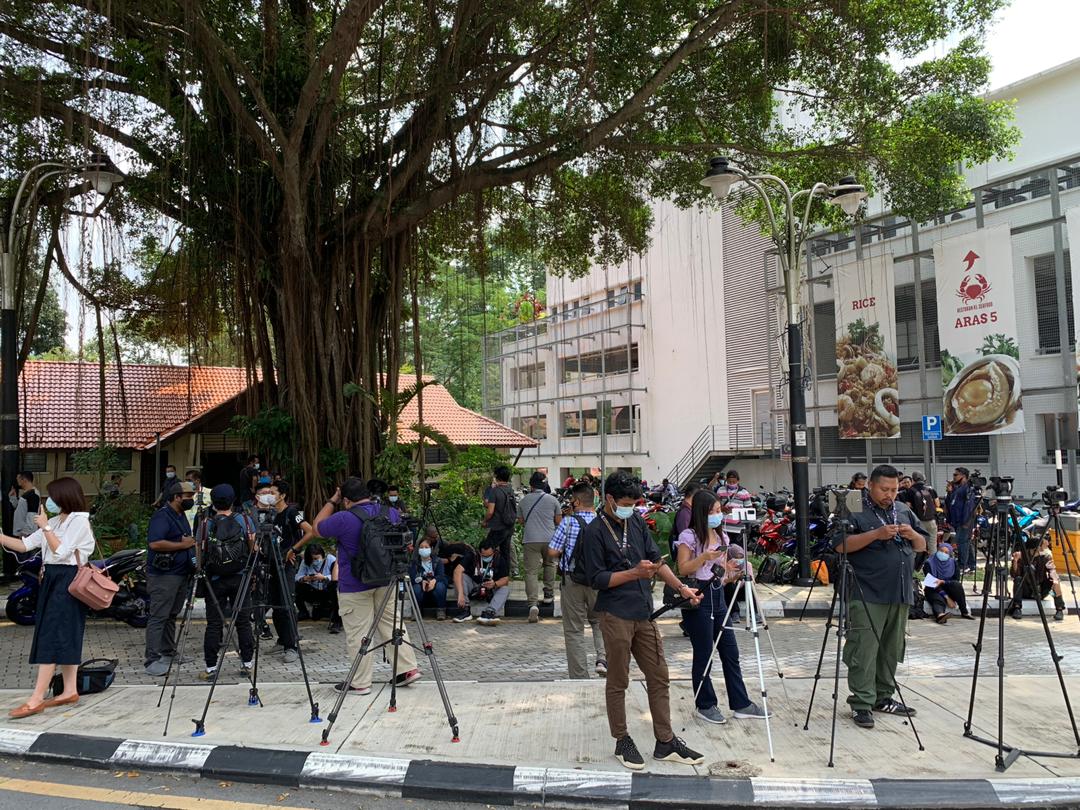
“It is the media’s role to report on any allegations of government misconduct, and should not be summoned or investigated for carrying out this fundamental role.”
It called on Putrajaya to stop summoning the media based on their news articles, drop all investigations against the media, and initiate an independent inquiry into possible mismanagement of the powers of the authorities in their actions against the media.
Furthermore, it called for the administration to move ahead with the establishment of the Malaysian Media Council as a transparent and independent self-regulatory body for the industry, and to avoid the government from becoming the sole arbiter of truth and deciding what information should and should not be published.
“At a time when the public is struggling to deal with the Covid -19 pandemic, it is more paramount for the current regime to create an enabling environment that would support free media and focus on sustaining the credibility of the state in the eyes of the public rather than reinforce increasing measures to silence dissent or opinions that place the ruling regime in an unfavourable light.”
The media release was also endorsed by Andrew Khoo, Advancing Knowledge in Democracy and Law, Aliran, Amnesty International Malaysia, Association of Women Lawyers, All Women’s Action Society (Awam), Dineskumar Ragu, Dr Wan Manan, ENGAGE, G25 Malaysia, Persatuan Patriot Kebangsaan (Patriot), Persatuan Promosi Hak Asasi Manusia (Proham), Persatuan Sahabat Wanita Selangor, Pergerakan Tenaga Akademik Malaysia (Gerak), Sisters in Islam, Saram (Suara Rakyat Malaysia), Terabai Kenyalang Heritage Association of Sarawak, and William Liam. – The Vibes, May 24, 2021



.jpeg)