VIENNA – Iran has informed the International Atomic Energy Agency (IAEA) that it intends to produce uranium enriched to up to 20% purity, well beyond the threshold set by the 2015 Vienna accord, said the United Nations nuclear watchdog yesterday.
“Iran informed the agency of its intention to enrich uranium at a rate of up to 20% in its Fordow underground plant, to comply with a law recently passed by the Iranian Parliament,” an IAEA spokesman told AFP.
The letter dated December 31 “did not state exactly when this enrichment activity would begin”.
The Russian ambassador to IAEA, Mikhail Ulyanov, shared the information earlier on Twitter, citing a report submitted by IAEA chief Rafael Grossi to the board of governors.
“It is an additional blow,” a diplomat based here told AFP, as Tehran continues to retaliate to US sanctions by progressively abandoning limits on its nuclear activity laid down in the deal.
According to the latest report available from the UN agency, published last November, Tehran is enriching uranium to levels greater than the limit provided for in the Vienna agreement (3.67%), but not exceeding the 4.5% threshold, and still complies with the agency’s strict inspection regime.
But, there has been turmoil since the assassination in late November of Iranian nuclear physicist Mohsen Fakhrizadeh.
In the aftermath of the attack, blamed on Israel, hardliners in Tehran pledged a response, and Parliament passed a controversial law calling for the production and storage of “at least 120kg per year of 20% enriched uranium”, and to “put an end” to the IAEA inspections intended to check that the country is not developing an atomic bomb.
The government opposed the initiative, which was also condemned by other signatories to the accord that called on Tehran not to “compromise the future”.
The other signatories – China, France, Germany, Russia and Britain – have been playing for time, in advance of Joe Biden’s inauguration as US president.
The Democrat has shown himself to be determined to save the pact.
Biden, who takes office on January 20, has signalled that Washington will rejoin the so-called Joint Comprehensive Plan of Action aimed at limiting Iran’s nuclear programme.
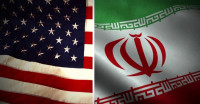
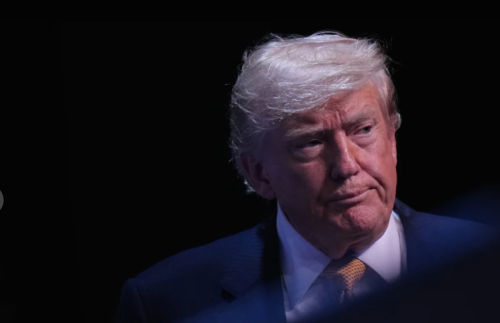
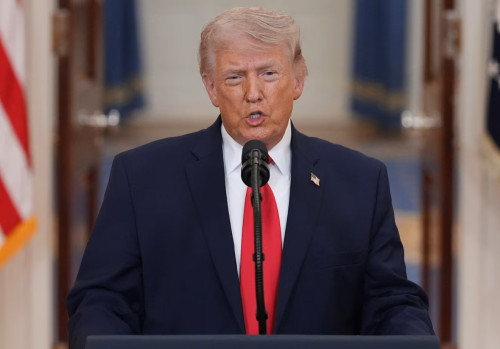
The deal has been unravelling ever since President Donald Trump dramatically withdrew from it in May 2018 and imposed crippling economic sanctions on Tehran.
German Foreign Minister Heiko Maas has said the change of administration in the US means that there is “a last window” for progress that “shouldn’t be wasted”. – AFP, January 2, 2021