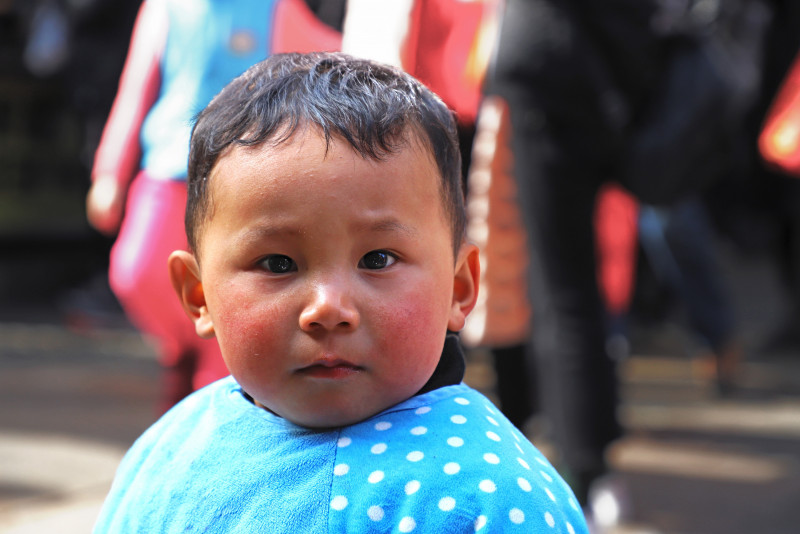
BEIJING – The number of registered births in China dropped by nearly a third last year, in the latest sign that relaxations in the country’s strict family-planning policy are failing to spark a baby boom.
After decades of a “one-child policy”, Beijing changed the rules in 2016 to allow families to have two children, as fears grew about China’s fast-ageing population and shrinking workforce.
Figures from the Public Security Ministry released yesterday showed that the number of registered births fell to 10.04 million in 2020, a drop of more than 30% from the previous year.
It marks the fourth consecutive year that the figure has declined.
The official data showed the gender balance at 52.7% boys and 47.3% girls.
China introduced the one-child policy in the late 1970s, in a dramatic effort to slow rapid population growth.
However, the reversal in 2016 has not yet resulted in a baby boom, with empowered women often delaying or avoiding childbirth, and young couples blaming rising costs and insufficient policy support for families.
Last November, China started its once-a-decade census, with much of the attention on whether the survey indicates a population bump from the relaxation of family-planning rules.
Demographic experts have estimated that it could take 15 years for the two-child policy to have any noticeable effect on population numbers.
Retirees, meanwhile, are expected to number 300 million by 2025.
State media last December quoted Civil Affairs Minister Li Jiheng as saying the country’s fertility rate has “dropped dangerously”, well below the population replacement rate of 2.1 births per woman. – AFP, February 9, 2021















.jpg)