



A PKR MP cautioned that following the recent Putra Heights incident, extra precautionary measures are needed for future projects – particularly the proposed RM4.5 billion incinerator in Batu Arang.
Selayang MP, William Leong Jee Keen said it was critical to avert a potential explosion and fire which could be many more times disastrous and on a much larger scale than the Putra Heights gas pipeline fire.
"In the Putra Heights incident, the fire was put under control when the gas valves were shut and the remaining leaked gas burnt out.
"What if the fires are fuelled by an inexhaustible supply of fuel such as millions of tons of coal deposits," he asked.
He said the proposed waste-to-energy incinerator would burn 2,400 tons per day of municipal waste to generate 58 megawatts.
The incinerator project is lighting a fire not over a gas pipe but a whole coal mine that may be filled with combustible gases and coal.
"There may be adequate safety measures but it is not yet proven to be a scientific certainty.
"There is in other words a risk for which precautionary measures are necessary," he said.
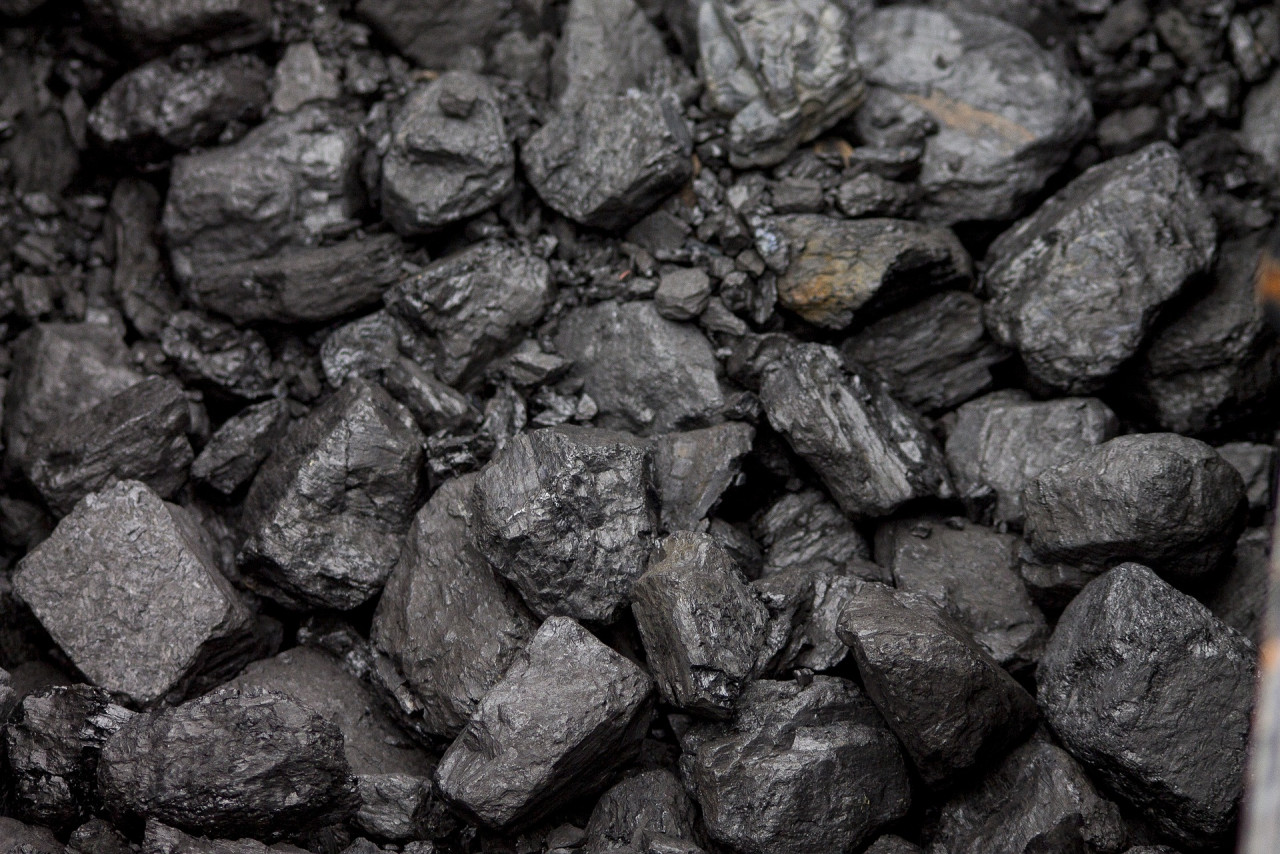
Batu Arang was the second most important town following the discovery of large deposits of coal in the days of the steam engine.
It is estimated that 15.5 million tons of coal had been extracted but many million tons may remain.
The coal mine was closed not because the coal deposits were exhausted but due to a change of use from coal-burning steam engines to combustible diesel engines.
The coal remains in the 11 coal mining sites with a complex network of tunnels measuring an estimated 54 kilometres extending 304.8 meters below the town extending to a depth of 600 meters.
Leong said the tunnels have not been mapped and surveyed to confirm they are clear of combustible gas or materials.
"Coal is highly combustible, with its ignition temperature ranging from 390° to 500°C.
"Most hazardous waste incinerators operate between 980°C and 1200°C to completely burn organic materials.
"Given that coal can ignite at a third of an incinerator’s operating temperature, the precautionary principle applies not to build the incinerator over or next to a coal mine with an extensive network of underground tunnels with potentially inexhaustible supply of combustible gas and coal," he said.
Understanding the dangers of coal fire is important, he stressed, adding that the history of coal fire is as ancient and widespread as coal itself.
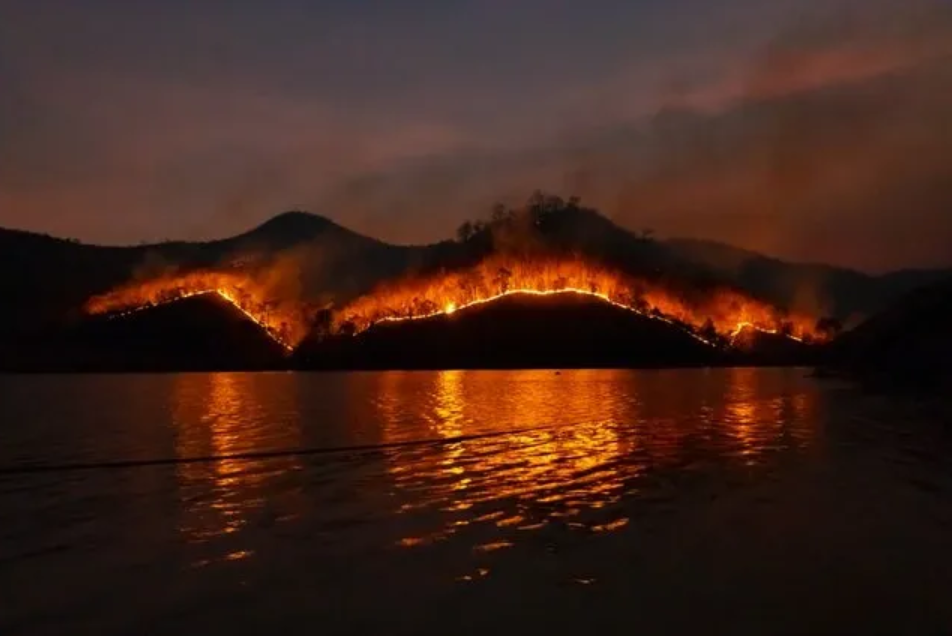
Picture from Science Times
Mount Wigen mistaken for a volcano
For instance, he said Australia’s Burning Mountain, the common name of Mount Wigen in New South Wales, the fire was earlier mistaken for a volcano but geologists have since identified it as a coal seam fire.
It is estimated that the fire has burned for approximately 6,000 years and is continuing to burn for many more years to come. It is the oldest known coal fire.
Leong said that coal seam fires can burn for thousands of years, which can be ignited by heating whether by humans or natural causes.
As coal seam fires burn underground, they are extremely difficult and costly to extinguish, he said.
"They burn for decades and even millennia until the fuel source is exhausted.
"The precautionary principle or in short “the better safe than sorry” approach emphasizes caution and proactive measures when facing potential risks, especially when scientific certainty about the nature or extent of the risk is lacking.
"The precautionary principle must be applied to the proposed incinerator project in Batu Arang," he added. - April 6, 2025










.jpeg)
