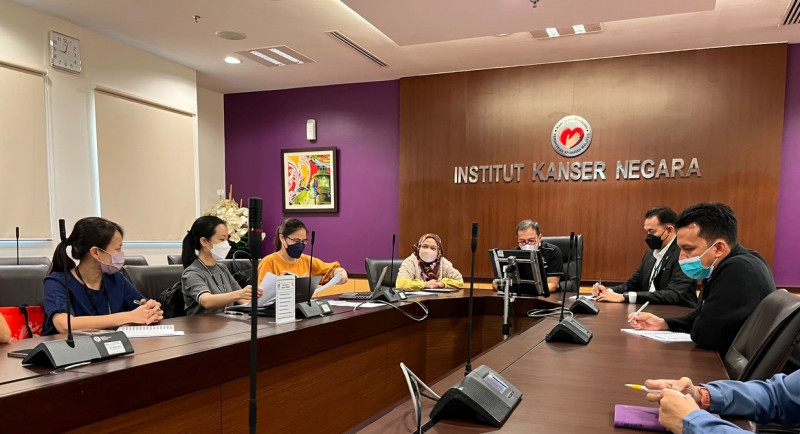
PUTRAJAYA – The National Cancer Institute is hoping for an increase in allocation specifically for cancer medications as there are constraints in providing them to every patient due to their high cost.
Its director Dr Mohd Anis Haron@Harun said the institute received about RM80 million for the first six months of this year, which was used for medications, emoluments, surgeries and other expenses but the amount is insufficient because the price of medicines for cancer treatment is expensive.
“Cancer drugs are notoriously expensive, except for generic drugs, which have become cheaper but the latest drugs are still pricey. We can’t afford to give it for free so we hope to get a bigger budget (allocation),” he said.
He said this to the media after the World Cancer Day Fun Run 2023 programme, which was officiated by Health Minister Dr Zaliha Mustafa, here, today.
Dr Anis said a bigger allocation for medicines is required since some medications, such as “targeted therapy” is the first-line treatment for cancer in addition to chemotherapy
According to him, the National Cancer Institute still imposes a quota on selected patients, and the decision regarding the drug’s suitability is made by medical experts.
The procedure also requires approval and thorough documentation that the patient is qualified to receive the treatment, he added.
Meanwhile, Dr Anis said there has been an increase in community awareness of cancer as a result of active promotion on social media with the institute accepting 51,000 outpatients and 9,500 inpatients last year.
He said the institute would focus on late-stage cancer patients whose numbers have increased by around 40%.
Dr Anis added that the prevalence of lung cancer among patients aged 40 and above has increased over time, whereas colorectal cancer is the most common type of cancer in men while breast cancer is the most commonly diagnosed cancer among women.
Meanwhile, Dr Zaliha in her speech, said it is anticipated that the burden of cancer will keep rising due to the high prevalence of risk factors for non-communicable diseases in Malaysia and the country’s ageing population.
Nevertheless, she said that according to the World Health Organisation, a healthy diet, regular exercise, smoking cessation and avoiding excessive alcohol consumption can prevent between 30% and 50% of cancer cases. – Bernama, March 11, 2023