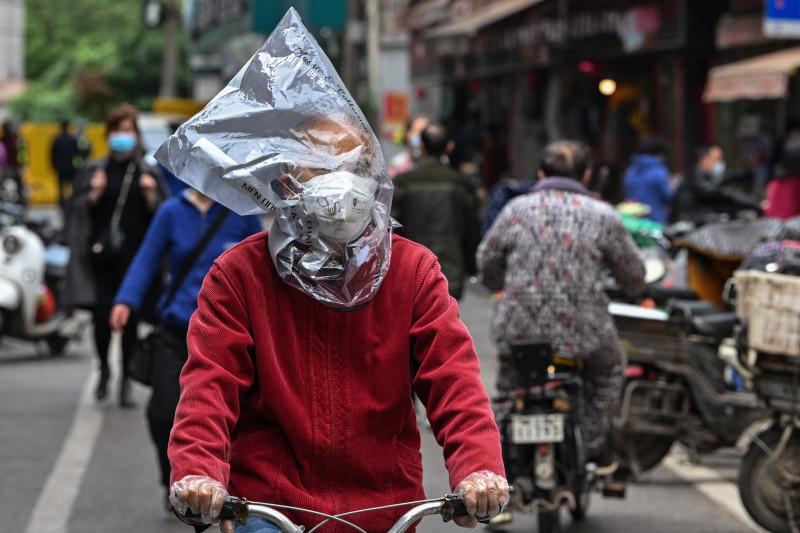

KUALA LUMPUR – One year has come and gone since the Chinese city of Wuhan went into lockdown, believed to be where the Covid-19 virus originated.
Alas, it was too little, too late, as millions had already travelled out of the city in preparation for the largest event in the country – Chinese New Year.
Virus warnings were silenced. By the time Chinese authorities came to their senses, the damage had been done, and the world is still crippled by it today.
Did China do enough to contain the spread, and what can Malaysia learn from it?
The BBC recently released a report detailing how China tackled its Covid-19 pandemic. It started with the fact that Chiese authorities were slow to react to the initial reports of an unknown viral pneumonia that infected dozens of people.
Worse still, doctors, especially the late Dr Li Wenliang who tried to sound the alarm on the virus, were criminalised for spreading rumours. Dr Li himself later succumbed to the virus and passed away.
News agencies that were initially allowed room to report from the virus-riddled Wuhan faced a clampdown.
Chinese journalists that were “quarantined by force” have not been seen since, while another citizen journalist and activist Zhang Zhan has been sentenced to four years in prison for “picking quarrels and provoking trouble”. This posed doubts to observers about data accuracy.
However, there is no doubt that when China recognised the problem, authorities acted immediately to clamp down on the 11 million people in Wuhan, despite it being two days before the Chinese New Year.
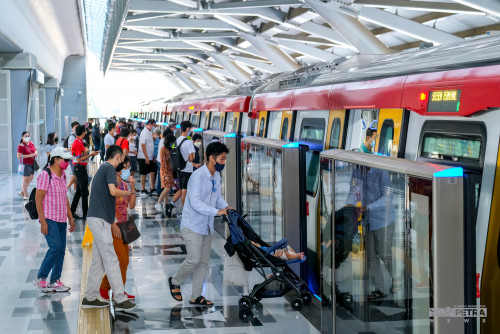
Everyone was put under strict quarantine, forced to don face masks and practice social distancing.
China continued to stun the world as the country set up a makeshift hospital within 10 days, with a total floor space of 33,900 sq m, accommodating 1,000 beds.
Though harsh, China’s measures to contain the virus did work, as the country recorded just under 100,000 infections and 4,800 deaths linked to Covid-19. Unlike other virus-stricken cities around the world, Wuhan succeeded in flattening the curve in April after a significant spike.
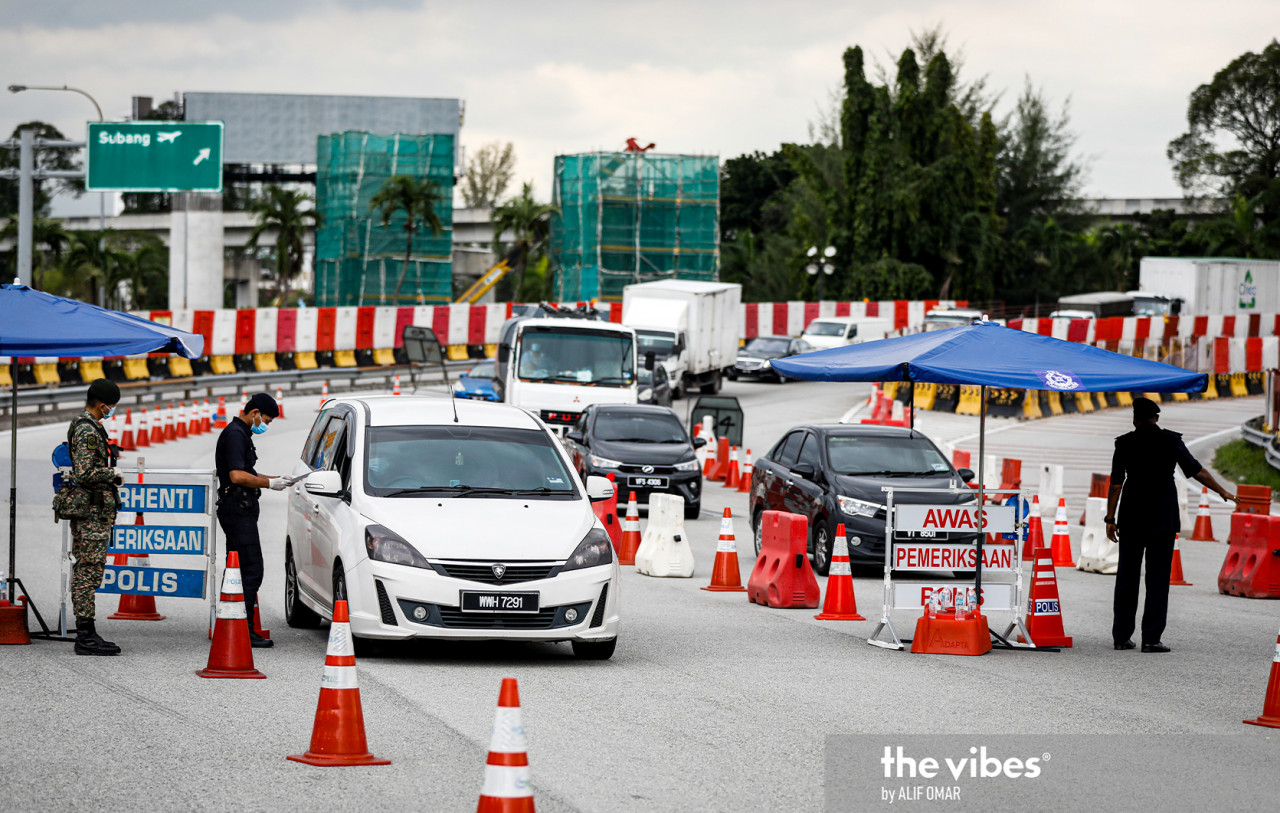
Now, Chinese authorities remain on alert, executing immediate lockdowns and swift mass screening as soon as new outbreaks appear, especially in major cities like Beijing and Shanghai.
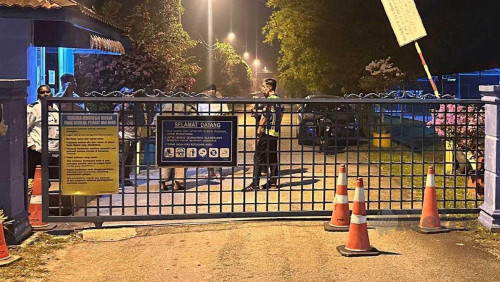
Entry into the country remains difficult. In October, Qingdao put nine million residents under lockdown after a dozen cases were confirmed. The most recent lockdown affects 11 million people in Shijiazhuang, after more than 100 new Covid-19 cases were reported.
So where does Malaysia stand in this pandemic? Have we slackened in terms of keeping our guard up against the virus? The lockdown of Shijiazhuang and Qingdao could perhaps give us perspective. Surging at 3,000 to 4,000 cases every day, is Malaysia taking the pandemic a little too lightly?
Despite the varying movement restrictions implemented by the authorities, key figures are seen to be flouting regulations without facing consequences, while “commoners” are issued summonses for not wearing masks while trying to tuck their child in the car or pulling down their masks for a brief moment. Instead of focusing on a common enemy, there are calls to clamp down on the underground LGBT community instead.
Although Malaysia may not have the capacity to source land and build a makeshift hospital in record time, even identifying low-risk areas to house Category 1 and Category 2 patients may be considered sluggish.
Instead, those infected are ordered to observe home quarantine. The contact-tracing MySejahtera mobile application is not as effective as it originally aimed to be, as a mere 4% of 125,000 infections are identified via the system.
However, if there is a slogan that is consistent throughout this pandemic, it is #kitajagakita, reflecting the warmth of Malaysian hospitality.
Aid has been channelled to the people by federal and state governments, NGOs take part in offering mental, emotional, physical, and monetary aid to those in need, and netizens air their grievances.
Malaysians are still trying to grapple their way through the pandemic, hoping to balance the economy and well-being of the rakyat. But in the end, the people and the country will persevere. – The Vibes, January 23, 2021





.jpeg)