


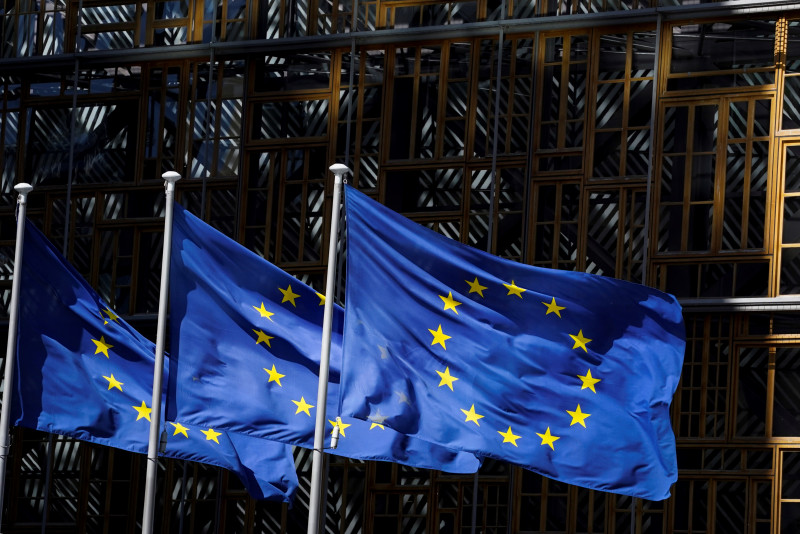
VIENNA – The remaining parties to the 2015 Iran nuclear accord yesterday discussed ways to shore up a deal under mounting pressure from Iranian breaches, United States sanctions and uncertainty before President-elect Joe Biden takes office in Washington next month.
Representatives of China, France, Russia, Iran, Germany and Britain held two hours of virtual talks that one diplomat said involved urging Iran to stick to the deal and give space to diplomacy.
Biden, who takes office on January 20, has signalled Washington will rejoin the so-called Joint Comprehensive Plan of Action (JCPOA) that was abandoned by the administration of outgoing President Donald Trump.
Senior European Union foreign affairs official Helga Schmid issued a brief statement following the talks she chaired.
“Participants discussed... how to ensure the full and effective implementation of the agreement by all sides in light of existing challenges,” it said.
While she did not say what those challenges were, the deal has unravelled steadily since Trump withdrew from it in 2018 and went on to impose crippling economic sanctions on Iran.
Tehran has retaliated by progressively abandoning limits on its nuclear activity laid down in the deal, most recently planning to install advanced centrifuges at Iran’s main nuclear enrichment plant in Natanz.
Last week France, Germany and Britain – collectively known as the “E3” – condemned the plan as “deeply worrying”.
Iranian Deputy Foreign Minister Abbas Araghchi repeated to the meeting Iran’s position that it was unfair to expect full compliance from Tehran while it had not received the economic benefits of the deal.
“Iran cannot pay the full price of implementing the JCPOA and others’ illegal actions and the other (parties) must also pay for protecting the JCPOA,” he said in a statement on the ministry’s website.
Meanwhile, the assassination last month of prominent Iranian nuclear scientist Mohsen Fakhrizadeh has heightened tensions in the region, with Iran blaming the killing on Israel.
In the wake of Fakhrizadeh’s death, Iranian MPs passed a bill calling for further expansion to Iran’s nuclear programme and an end to inspections of nuclear facilities by the UN watchdog, the International Atomic Energy Agency.
The Iranian foreign ministry said it did not agree with the bill and President Hassan Rouhani had suggested he will not sign it into law.
Rouhani had defied criticism from Iran’s ultra-conservatives to state his determination to seize the “opportunity” presented by the change of United States president in January.
Rouhani had said Iran is ready to come back into compliance with the deal as soon as other parties fulfil their commitments. – AFP, December 17, 2020





.jpg)
