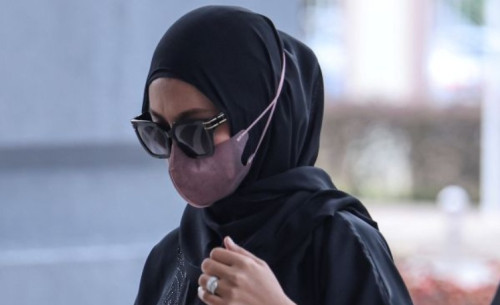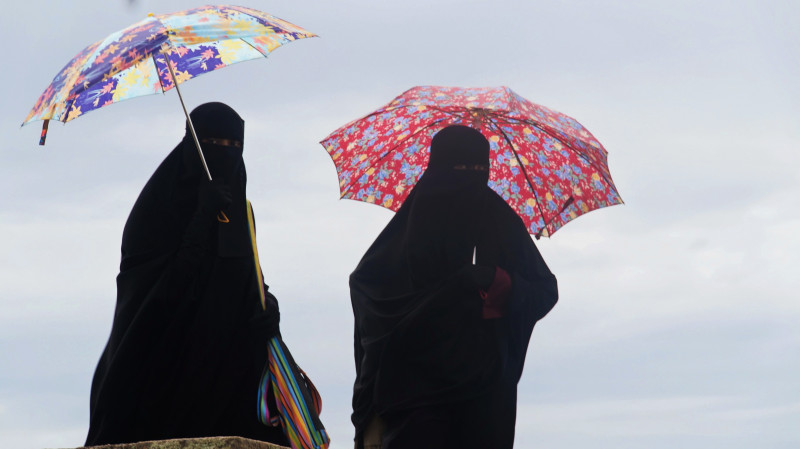
GENEVA – The Swiss yesterday voted narrowly in favour of banning face coverings in public, including the burqa or niqab worn by Muslim women, in a controversial referendum, reported the Anadolu agency.
The national referendum, dubbed the “burqa ban”, launched in 2016 by a right-leaning initiative committee, was accepted by 51.2% of those who cast ballots, with a participation of 51.4% of voters.
The vote was put forward by a group associated with the Swiss People’s Party, which campaigned with slogans such as “stop extremism” and in some areas with posters of Muslim women in veils.
“It’s a defeat for the government and majority of Parliament, who opposed the ban on the grounds that it was unnecessary – both because of the low number of niqab wearers in the country, and because the cantons can legislate on such issues themselves,” said Swissinfo, the website of the national broadcaster.
The Islamic Central Council of Switzerland (ICCS) called the result a “big disappointment for all Muslims born in Switzerland and who grew up here”.
Farah Ulucay, secretary-general of ICCS, said the vote “has succeeded in anchoring the widespread Islamophobia in Switzerland in the constitution”.
The government argued against the ban, saying it is not up to the state to dictate what women wear.
About 5% of Switzerland’s 8.6 million people are Muslim, most of them originating from Turkey, Bosnia and Kosovo.
University of Lucerne research carried out before the vote found that almost no one in Switzerland wears a burqa, and only 30 to 150 women don the niqab.
Some commentators said the most common wearers of the burqa or niqab are tourists from the Gulf states.
The Swiss section of Amnesty International denounced the new initiative, “which discriminates against a particular religious community”, and said it unnecessarily fuels division and fears.
The vote was complicated by some feminists – and also some Muslims – saying they would vote for the ban.
Opponents earlier attacked face coverings as an example of anti-Islamic “symbol politics”. – Bernama, March 8, 2021